



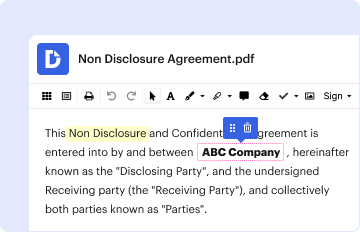
01. Edit your form online
Type text, add images, blackout confidential details, add comments, highlights and more.

Type text, add images, blackout confidential details, add comments, highlights and more.
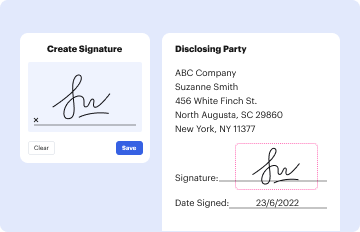
Draw your signature, type it, upload its image, or use your mobile device as a signature pad.
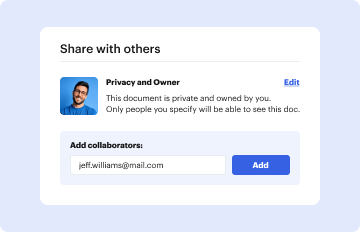
Send it via email, link, or fax. You can also download it, export it or print it out.
The "Residential lease-purchase agreement - Pottstown Mortgage" represents a legal contract commonly used in real estate that allows a tenant to lease a residential property with the opportunity to purchase it at a future date. This type of contract often appeals to potential buyers who may not qualify for traditional mortgage financing immediately but are interested in securing a future purchase. The agreement typically lays out terms such as monthly rental payments, the portion of the rent that may be credited towards the purchase price, and the responsibilities of both the tenant and the landlord. This structure aims to benefit both landlords, who secure a steady income, and tenants, who aspire to home ownership.
A comprehensive lease-purchase agreement includes various critical components that protect the interests of both parties. Essential elements usually cover:
Lease-purchase agreements often appeal to various demographic and financial profiles:
Acquiring a residential lease-purchase agreement typically involves several steps:
In legal terms, lease-purchase agreements are binding contracts subject to state-specific real estate laws and federal housing regulations. These contracts must be meticulously prepared to ensure compliance with all legal standards. Tenants and landlords should be aware of stipulations such as:
Understanding the terminology associated with lease-purchase agreements is essential for both tenants and landlords:
Residents and landlords have utilized lease-purchase agreements in various scenarios:
Rules for lease-purchase agreements vary significantly across state lines:
Understanding these blocks offers a comprehensive view of how "Residential lease-purchase agreement - Pottstown Mortgage" functions within varied contexts, how it serves different user groups, and ensures legal compliance. Each section provides critical insights into designing and utilizing such agreements effectively within the real estate domain.
We've got more versions of the Residential lease-purchase agreement - Pottstown Mortgage form. Select the right Residential lease-purchase agreement - Pottstown Mortgage version from the list and start editing it straight away!
| Versions | Form popularity | Fillable & printable |
|---|---|---|
| 2011 | 4 Satisfied (32 Votes) |
At DocHub, your data security is our priority. We follow HIPAA, SOC2, GDPR, and other standards, so you can work on your documents with confidence.
by G Rosenberg 2012 Cited by 43 CLTs typically retain permanent ownership of land, which is then leased to other entities that own the improvements upon the land, such as residential homes,.Read more
The Montgomery County First Time Homebuyers Program aids low to median-income households in purchasing homes call 610-278-3540. There is a $25.00 non-


