





Definition and Meaning
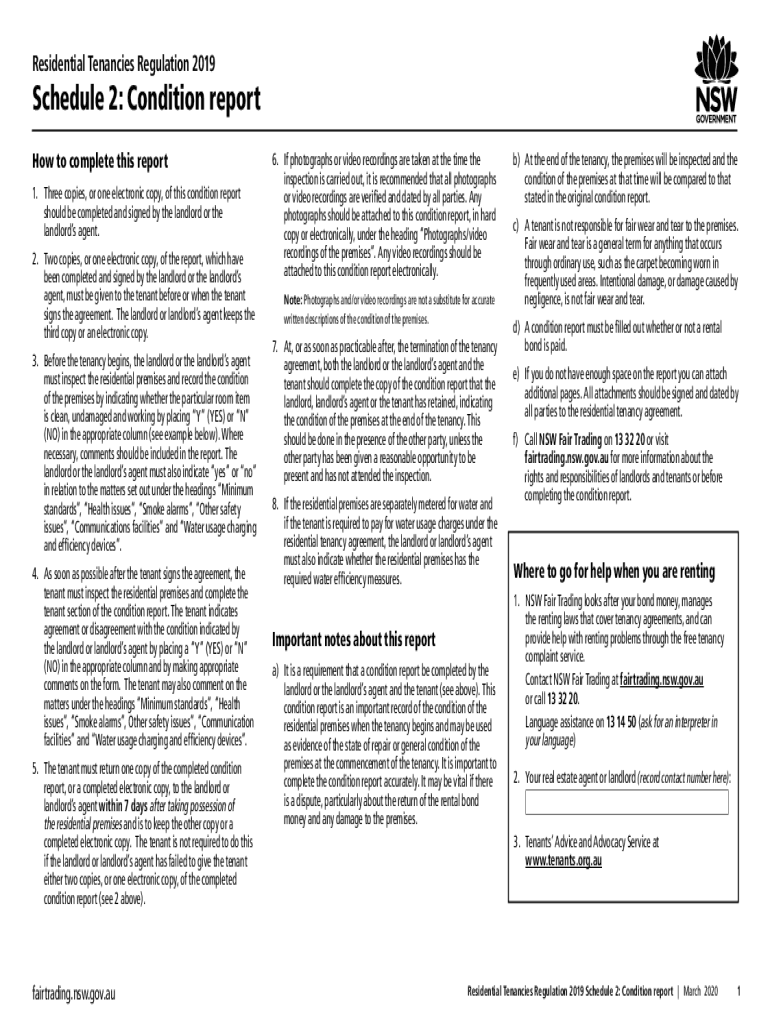
The term "form online" refers to digital forms that can be filled out and submitted through the internet. These forms are specifically designed for online accessibility, allowing users to input information directly into electronic fields. Their purpose is wide-ranging, encompassing activities such as tax filing, application submission, and data collection across various industries. The transition from paper-based to digital forms enhances efficiency, as users can complete and submit necessary documentation without physical constraints. Digital forms often come with automated processing capabilities, which streamline data handling and reduce manual entry errors.
How to Use the Form Online
Using a form online involves several straightforward steps, leveraging digital tools and platforms that make the process user-friendly. Here are general instructions on how to effectively use these forms:
-
Access the Form: Navigate to the platform offering the desired form. This could be a government website, a business portal, or a document management system like DocHub.
-
Complete the Form: Enter the required information into the appropriate fields. Ensure accuracy by double-checking each entry, especially for critical fields such as identification numbers or contact details.
-
Review Entries: Before submitting, review all entries to confirm they are correct and complete. Some platforms offer validation checks to highlight missing information.
-
Submit the Form: Click the submission button to send the completed form to the designated recipient. Many platforms provide confirmation of successful submission.
-
Receive Confirmation: After submission, a confirmation email or notification is typically sent to acknowledge receipt. This often includes a reference number or a copy of the completed form.
Using forms online is generally intuitive, though users may encounter variations depending on the platform or the complexity of the specific form.
Steps to Complete the Form Online
To efficiently complete a form online, follow these detailed steps designed to ensure accuracy and compliance with submission standards:
-
Log In to the Platform: If required, log into the platform using secure credentials. Ensure the platform is official and trusted to safeguard personal data.
-
Read Instructions Carefully: Start by reading any available guidelines or instructions attached to the form. This helps in understanding the requirements and any specific legal obligations attached to certain fields.
-
Populate Fields: Enter the required information. Common fields include name, address, and contact information. For fields that require selection, such as drop-down menus, ensure choices reflect your circumstances accurately.
-
Attach Supporting Documents: If the form requires additional documentation, like identity verification or proof of income, ensure these are uploaded correctly. Verify file formats and size limits.
-
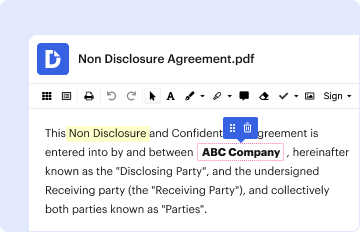
Sign and Confirm: Use an electronic signature tool to sign the form if necessary. Platforms like DocHub provide legally binding e-signature options that conform to standards like the ESIGN Act.
-
Submit and Retain a Copy: After submitting, save a personal copy of the completed form and any confirmation details. This serves as proof of submission and can be useful for future reference or in resolving discrepancies.
Each step is crucial to ensure the integrity and validity of the submitted documentation. These practices are applicable across a range of forms from applications to compliance submissions.
Why Should You Form Online
Online forms provide several advantages over traditional paper forms. They are designed for efficiency, accessibility, and accuracy, addressing common pain points associated with manual processing:
-
Efficiency: The time taken to fill out and submit a form online is often significantly shorter than with paper forms. Automated data inputs reduce the likelihood of errors and streamline processes.
-
Convenience: Forms can be accessed and completed from anywhere with internet access, supporting remote work and reducing the need for physical presence.
-
Real-Time Processing: Electronic submissions are processed faster than mailed documents, often providing immediate feedback on success or issues requiring correction.
-
Environmental Benefits: Digital forms contribute to environmental sustainability by reducing paper consumption and the carbon footprint associated with postal services.
Online forms are thus ideal for individuals and businesses seeking to optimize their workflows. They align with modern digital practices that emphasize speed, security, and sustainability.
Who Typically Uses the Form Online
Various users across different sectors benefit from using online forms. The following groups commonly use online forms for their respective needs:
-
Individual Taxpayers: They utilize forms for filing taxes, claiming deductions, or updating personal information with tax authorities.
-
Businesses: Companies use forms for tax reporting, compliance submissions, and employee onboarding processes.
-
Educational Institutions: Schools and universities employ them for student applications, enrollment, and administrative requests.
-
Government Agencies: These bodies offer forms for public services like permit applications, benefits claims, and regulatory compliance.
-
Healthcare Providers: Medical institutions use forms for patient intake, insurance claims, and data recording.
Online forms are versatile tools that cater to diverse user needs, assisting in various administrative, regulatory, and personal tasks.

Legal Use of the Form Online
Filling out forms online comes with specific legal considerations to ensure the validity and compliance of submissions. These are crucial in contexts where submissions carry legal weight, such as contracts or tax declarations:
-
Electronic Signatures: Legally recognized under acts like the ESIGN Act, ensuring signatures are binding and equivalent to handwritten ones.
-
Data Privacy: Platforms handling online forms must adhere to data protection laws like GDPR (for international forms) or CCPA in the U.S., ensuring user data is handled securely.
-
Authentication: Required for accessing certain forms to verify user identity and prevent fraudulent activities.
These legal frameworks maintain the integrity of online form submissions and are designed to protect all parties involved from legal discrepancies or disputes.
Key Elements of the Form Online
Typical online forms include several key elements structured to maximize user utility and data accuracy:
-
Input Fields: For basic details like names, addresses, and other identifiers.
-
Interactive Components: Dropdowns, checkboxes, or radio buttons designed to simplify selection processes.
-
Validation Checks: Automatic checks that ensure fields are correctly filled out before submission.
-
Supplementary Instructions: Guidance on completing complex sections, or legal disclaimers outlining the terms of submission.
These elements collectively enhance user experience and ensure data integrity across various form types.
State-Specific Rules for the Form Online
Different states may impose unique regulations regarding form submissions, largely due to localized laws and procedural differences:
-
Regional Tax Forms: Each state may have its own set of tax forms or regulations that affect how forms must be completed and submitted.
-
Legal Documentation: Depending on state laws, some forms require specific attestations or additional notarization.
-
Submission Channels: While online forms streamline processes, some states might require certain documents to be filed in person or through mail for official registration.
Understanding state-specific rules is vital to ensuring compliance and avoiding potential legal issues related to non-adherence or improper submissions.