





Understanding the Online Form Process
Forms are indispensable tools for collecting and processing information across various domains, including legal, educational, and business sectors. When you need to complete a form online, understanding its significance and features can enhance your efficiency and accuracy.
How to Use the Form Online
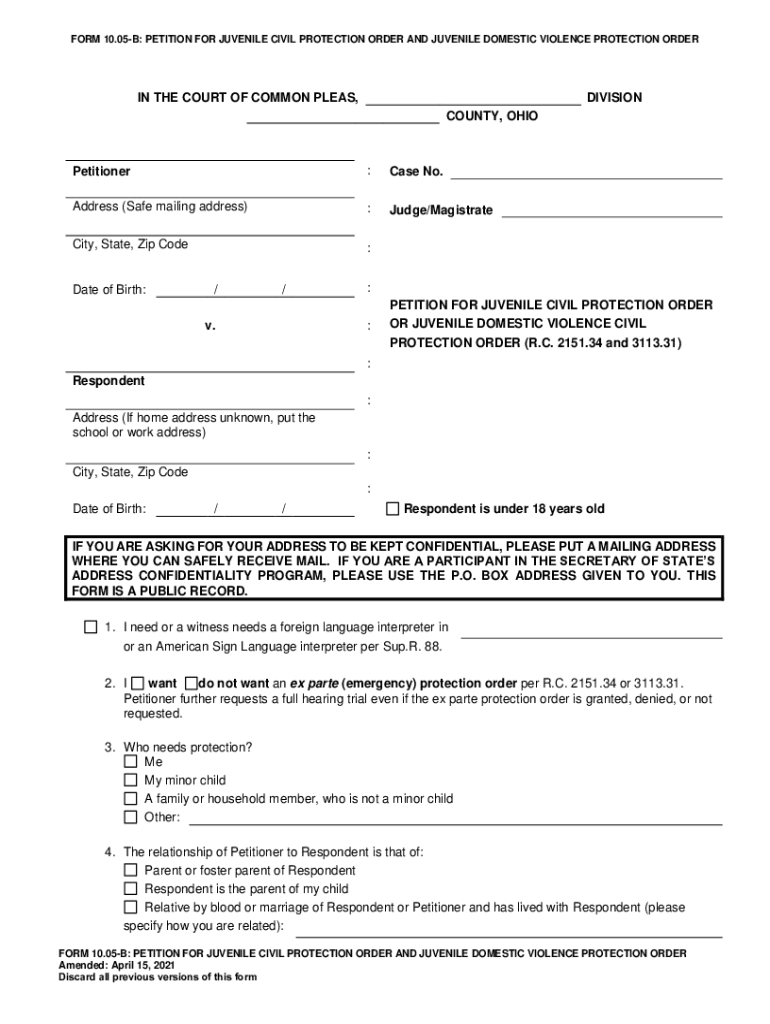
When using the form online, most platforms provide a straightforward and user-friendly interface. Begin by accessing the form through the provided link, often available via email or an online portal. Once the form is opened, navigate through the sections and input your information as required. Modern forms include intuitive fields such as text boxes, drop-down menus, and checkboxes, allowing for seamless data entry. Always ensure to review the instructions accompanying each section to avoid errors.
Steps to Complete the Form Online
Completing an online form involves several key steps:
- Access the Form: Open the form link in a compatible browser.
- Enter Personal Information: Fill out the personal details section, including name, address, and contact information.
- Provide Relevant Details: Depending on the form, you may need to fill out additional fields such as employment history, financial details, or specific questions related to your application.
- Review and Validate: Double-check all entries for accuracy.
- Submit the Form: Click on the submit button to send your completed form, and save a copy for your records.
Key Elements of the Form Online
Forms can have diverse elements that suit specific information gathering:
- Text Fields: For entering names, phone numbers, and other necessary texts.
- Checkboxes: To select one or multiple options from provided choices.
- Drop-down Menus: For streamlined selection from a list of options.
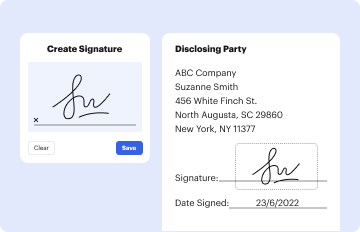
- Signature Fields: Allow for electronic signatures, providing a secure and authenticated method for approval or consent.
Legal Use of the Form Online
Forms are often legally binding documents. For example, completing a lease agreement or a tax-related form online involves legally compliant procedures ensuring authenticity and adherence to regulations like the ESIGN Act. It is crucial to understand the legal implications and authenticate personal inputs to avoid potential disputes or legal issues.
Penalties for Non-Compliance
Failing to comply with the guidelines or submission deadlines of an online form can lead to penalties. For instance, not submitting tax forms on time can result in fines or legal penalties. Always be aware of the specific requirements and timelines relevant to your form to avoid unnecessary consequences.
Software Compatibility for Online Forms
Most online forms are designed to be compatible with popular software solutions like Adobe Acrobat, which allows for easy PDF viewing and editing. For more specialized or tax-related forms, software like TurboTax or QuickBooks can be integral in ensuring accurate completion and submission, especially for complex calculations and data entries.
Examples of Using the Form Online
Examples include:
- Job Applications: Simplifying the hiring process by submitting resumes and cover letters electronically.
- Tax Filings: Streamlining tax submissions through online forms that calculate and submit data electronically.
- Client Agreements: Allowing clients to agree to terms via digitally signed documents.
Digital vs. Paper Forms
Digital forms offer several advantages over paper forms. They provide instant submission, reduce paperwork, and enhance data accuracy through real-time validation. Moreover, they support environmentally friendly practices by minimizing the need for physical resources. Paper forms, however, can still be used in settings where digital access is limited or for archival purposes.
State-Specific Rules for Online Forms
State-specific rules may apply to certain forms such as tax submissions or business registrations. Each state might have unique requirements concerning documentation, submission formats, or deadlines. It’s essential to consult the relevant state guidelines to ensure compliance and avoid any discrepancies in the process.