Definition and Meaning of Contract Phlebotomist
A contract phlebotomist refers to a medical professional who performs blood draws and related procedures on a contractual basis rather than as an employee. Often working with healthcare facilities or laboratories, these professionals provide crucial services, such as collecting blood samples for testing, screening, or donation. Their independent contractor status differentiates them from permanent employees, providing flexibility in working hours and locations. The contract defines the scope of their duties, responsibilities, and working conditions.
Key Elements of the Contract Phlebotomist Agreement
The contract for phlebotomists contains several important sections that define the relationship between the phlebotomist and the hiring entity. It includes:
- Scope of Work: Details specific tasks and responsibilities, such as drawing blood, managing specimens, and maintaining hygiene standards.
- Compensation Structure: Outlines payment rates and schedules, including hourly rates or per-procedure payments.
- Confidentiality Obligations: Stipulates the necessity to keep patient information secure and outlines protocols for data protection.
- Termination Conditions: Specifies conditions under which the contract can be terminated by either party, detailing notice periods and grounds for immediate termination.
- Independent Contractor Status: Clearly states that the phlebotomist is a contractor, which affects benefits and tax responsibilities.
Steps to Complete the Contract Phlebotomist Agreement
Completing a phlebotomist contract efficiently involves several steps:
- Review Terms and Conditions: Ensure all aspects, such as duties, compensation, and duration, meet your expectations and needs.
- Negotiate Details If Needed: Engage in discussions to clarify or modify aspects that require adjustment.
- Include Identification Information: Provide all necessary personal and contact information clearly.
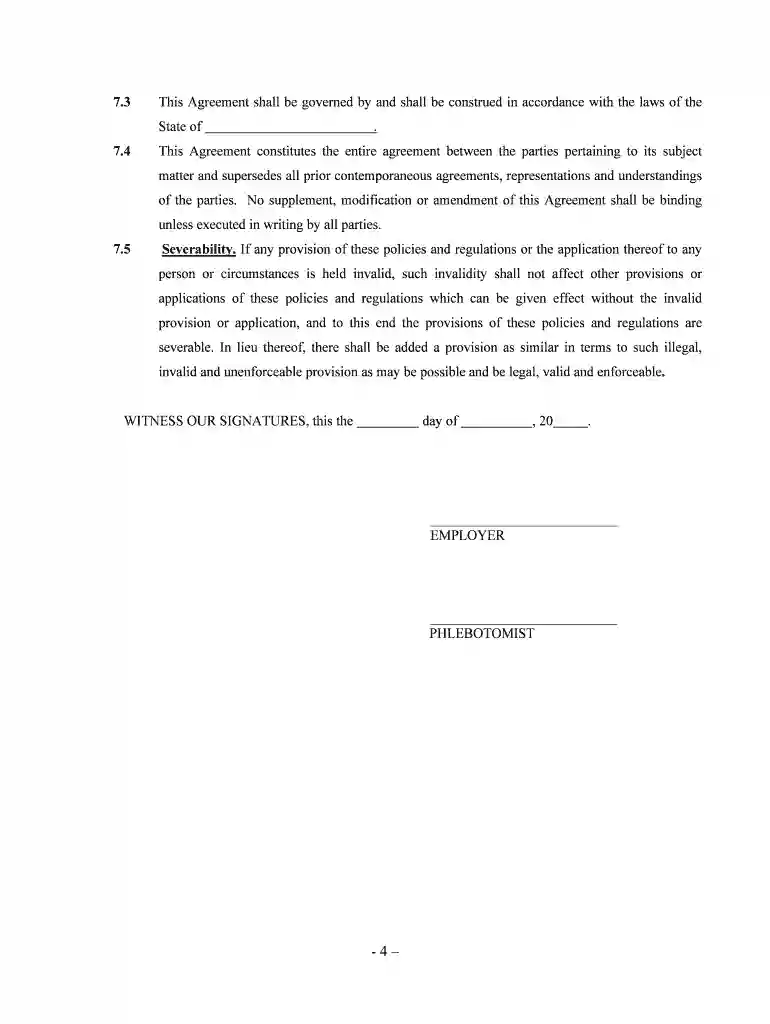
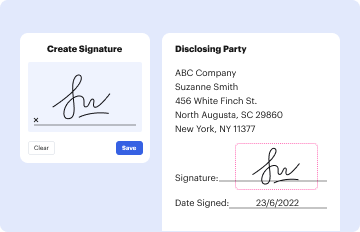
- Sign the Agreement: Both parties must sign the document to formalize the contract.
- Maintain Copies: Keep a signed copy for personal records and future reference.
Legal Use of the Contract Phlebotomist
Using the contract phlebotomist agreement legally requires compliance with state and federal labor laws. It's crucial to ensure the document adheres to:
- Independent Contractor Guidelines: Follow IRS regulations distinguishing employees from contractors.
- Minimum Wage Laws: Respect local wage laws even for contracted work, where applicable.
- Anti-Discrimination Policies: Comply with laws prohibiting discrimination based on race, gender, age, and other characteristics.
State-Specific Requirements for Contract Phlebotomists
Each state might have specific requirements and regulations regarding contract phlebotomists, including:
- Licensing Requirements: Some states require phlebotomists to have specific licenses or certifications.
- Work Environment Regulations: States may impose health and safety standards unique to local jurisdiction.
- Contractual Formalities: Certain states require contracts to be written to certain standards or be subject to specific termination and renewal rules.
How to Obtain the Contract Phlebotomist Agreement
To obtain a contract for phlebotomists, consider these channels:
- Download Templates: Use documents from trusted online platforms or legal document repositories.
- Consult a Lawyer: Engage an attorney to draft a customized agreement that meets specific legal and operational needs.
- Work with Professional Associations: Many healthcare and phlebotomy associations provide standard contract templates to members.
Important Terms Related to Contract Phlebotomist
Understanding key terms within the phlebotomist contract helps ensure clarity and compliance:
- Independent Contractor: A self-employed individual providing services under a contract.
- Compensation Rates: Refers to the agreed upon payment structure, typically per hour or procedure.
- Non-Disclosure Agreement (NDA): Stipulates confidentiality requirements for handling sensitive information.
- Indemnification Clause: Protects involved parties from legal liability or claims arising from contract performance.
Examples of Using the Contract Phlebotomist in Real-World Scenarios
Employers often utilize contract phlebotomist agreements in situations such as:
- Filling Temporary Staffing Gaps: Employing during staff shortages or peak workload times.
- Specialized Medical Campaigns: Integrating phlebotomists into projects requiring specific skills for short durations.
- Remote or Mobile Services: Deploying to collect samples in community events or rural health initiatives.
Digital vs. Paper Version of Contract Phlebotomist Agreements
Choosing between digital and paper versions involves weighing convenience against legal formalities:
- Digital Agreements: Offer ease of use for editing, distribution, and e-signature capabilities, fostering quick execution.
- Paper Versions: Provide tactile assurance and may be necessary for entities that require physical submission or have traditional processes.
Software Compatibility for Managing Contract Phlebotomist Documents
Digital management of phlebotomist contracts can leverage compatibility with specific software:
- DocHub: Integrates with Google Workspace for seamless document editing and signing.
- QuickBooks: Suitable for managing contractor payments and financial record-keeping.
- TurboTax: Assists in ensuring compliance and accuracy for tax-related documentations associated with contractors.
By understanding all these aspects, stakeholders can craft and manage contract phlebotomist agreements that are comprehensive, legally compliant, and effective for their specific needs.