




Definition and Purpose of a Laundry Room Rules Template
A laundry room rules template outlines the guidelines and expectations for using shared laundry facilities. It serves to maintain order and ensure that all users respect the space and its equipment. This document typically covers instructions on the correct use of machines, cleanliness standards, and shared responsibilities among users. It ensures that the facilities are used efficiently and effectively, minimizing conflicts and maximizing convenience for all users.
- Proper Machine Usage: Guidelines usually state how to properly use the washing machines and dryers. This includes not overloading machines, selecting appropriate settings, and reporting any malfunctions immediately.
- Cleanliness Standards: Users are expected to clean up after themselves, which includes disposing of empty detergent containers and lint traps.
- Respect for Neighbors: Rules generally highlight the importance of promptly removing clothes from machines to respect other users' time.
- Scheduling and Accessibility: May state the specific hours during which the laundry room can be accessed to prevent disturbances and facilitate smooth operations.
How to Use the Laundry Room Rules Template
The laundry room rules template can be adapted to meet the specific needs of different facilities, whether they are in residential buildings, student housing, or shared corporate environments. Here are some steps on utilizing the template effectively:
- Review Existing Facilities: Assess the layout, equipment, and typical users of your laundry space to tailor the rules accordingly.
- Customize the Template: Modify sections of the template that address local concerns, such as shared responsibilities, specific equipment instructions, or particular laundry room hours.
- Communicate Clearly: The template must be straightforward and accessible, ensuring all users can understand the guidelines.
- Implementation: Place the finalized rules prominently in the laundry area. Consider digital formats for broader accessibility in larger institutions.
Examples of Implementation
- Student Dormitories: Strict timings may prevent noise disturbances during late-night hours.
- Corporate Facilities: Ensure rapid use turnarounds for shared laundry rooms in workplace environments.
Steps to Complete the Laundry Room Rules Template
Completing the laundry room rules template effectively requires a series of coordinated tasks, ensuring that all pertinent details are covered:
- Gather Input: Consult with stakeholders, such as building management or tenant representatives, to understand common issues and expectations.
- Draft Specific Language: Start by adapting existing clauses in the template, ensuring they are relevant to the facility in question.
- Get Feedback: Circulate a draft among potential users or board members for comments and potential revisions.
- Finalize the Document: Incorporate feedback and finalize the template into a clean and readable format.
- Distribution: Print and display the document in the laundry room as well as distribute digital copies if applicable.
Considerations to Keep in Mind
- Local Regulations: Ensure that rules comply with any applicable regional building laws or tenant rights legislation.
- User Diversity: Consider any specific considerations for elderly users or those who may need additional assistance or accommodations.
Key Elements of the Laundry Room Rules Template
The effectiveness of a laundry room rules template largely depends on the comprehensiveness of key elements it includes:
- Opening Statement: A brief introduction explaining the purpose of the rules and the benefits they offer to users.
- Usage Instructions: A clear set of guidelines for operating washing machines and dryers, including precautions to avoid overloading.
- Cleaning Duties: Responsibilities for cleaning machines and maintaining the overall cleanliness of the room.
- Safety Protocols: Instructions for reporting faulty equipment or hazards, ensuring user safety.
- Conflict Resolution: Procedures for addressing disputes over machine use or rule infractions.
Legal Use and Compliance
When drafting a laundry room rules template, it's essential to consider any legal implications, ensuring the document adheres to local and federal guidelines:
- Compliance with Housing Laws: Check state or local housing codes that might stipulate certain requirements for shared facilities.
- Privacy Considerations: Rules should respect user privacy while ensuring the shared space is maintained properly.
- Legal Enforceability: Outline possible consequences for breaking the rules, such as warnings, fines, or restricted access.
Protecting User Rights
- Tenant Rights: Ensure the rules do not infringe on tenant rights as outlined in lease agreements or local housing laws.
- Amendment Flexibility: Create provisions that allow for rule amendments as necessary based on user feedback or evolving requirements.
Who Typically Uses the Laundry Room Rules Template
This template is utilized by a diverse group of stakeholders responsible for maintaining shared laundry spaces:
- Property Managers: Utilize the template to establish clear rules that minimize disputes and ensure the smooth operation of laundry facilities in apartment complexes or housing communities.
- Housing Associations: For ensuring all residents in a neighborhood or housing community are aligned on laundry room usage protocols.
- Student Housing Administrators: Craft specific rules suitable for dormitory environments to handle high usage volumes.
- Corporate Facility Managers: Implement the template within workplace environments that offer laundry facilities to employees.

User Scenarios
- Residential Buildings: Aimed at ensuring fair access and operational efficiency in multi-unit residential complexes.
- Campus Housing: Help manage high-demand facilities in student dormitories to avoid bottleneck usage during peak times.
Examples of Using the Laundry Room Rules Template
Practical applications of the laundry room rules templates can vary based on context:
- Community Editions: Customized versions catering to residential communities' unique needs, focusing on neighborly respect and collaboration.
- Institutional Implementations: Used in schools and universities to maintain the integrity and efficiency of student laundry services.
Case Studies
- Multi-use Corporations: A corporation with facilities across several states customized the template for each location's legalities and machine types.
- Student Dorms: A university revised its dormitory rules template, resulting in improved efficiency and reduced student complaints over laundry facilities.
Software Compatibility and Access
For those looking to integrate digital tools or platforms to facilitate easier management of their template and ensure it stays accessible:
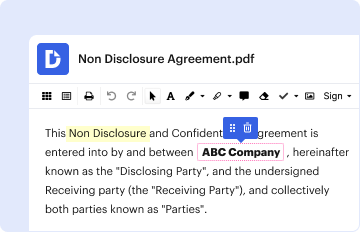
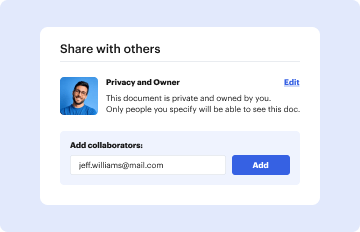
- Document Editing: Compatible with software like Google Docs or Microsoft Word, allowing easy customization and sharing within teams.
- Online Storage: By storing the template on platforms like Dropbox or Google Drive, users can ensure continued access and the ability to update as necessary.
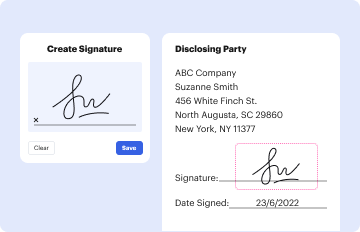
- Digital Signing: Consider using DocHub or similar platforms to incorporate electronic signatures for acknowledgment of rules by users, ensuring compliance and traceability.
Additional Benefits
- Ease of Distribution: Enable straightforward digital distribution, ensuring all users receive and acknowledge the rules.
- Real-time Updates: Changes to the template can be made and adopted swiftly, allowing for dynamic rule enforcement and updates.