




Definition & Meaning
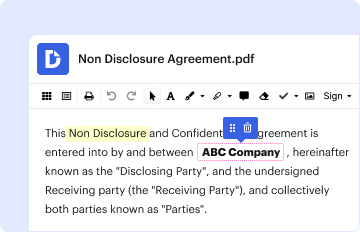
Understanding the term "form online" involves recognizing it as any standard document or template made available on the internet for purposes such as data collection, applications, or registrations. These forms are designed to gather information electronically, streamlining processes compared to traditional paper methods. They are used across various sectors, including education, healthcare, and government, to facilitate easy and efficient data management.
Characteristics of Online Forms
- Interactive Elements: Many online forms utilize interactive fields, such as dropdown menus, checkable boxes, and text input areas that ensure users fill out the required sections effectively.
- Ease of Access: These forms are usually accessible from any device with an internet connection, allowing users to complete them at their convenience.
- Automation: Enhanced functionalities often include automated error checks, form validations, and conditional logic to guide users accurately through the process.
How to Use the Form Online
Navigating Online Forms
Using a form online typically requires a step-by-step approach to ensure completeness and accuracy. Here's a general guide:
- Access the Form: Open the URL where the form is hosted, often provided through an organization’s website.
- Review Instructions: Before beginning, read any guidelines or requirements stated at the top of the form.
- Complete Fields: Fill in the required fields, ensuring all necessary information is correctly entered. Red asterisks or notes often indicate mandatory fields.
- Verify Entries: Double-check the information for accuracy and completeness, ensuring no sections are overlooked.
- Submit the Form: Once all sections are filled out correctly, click the "Submit" or "Finalize" button to send your responses.
Common Features
- Form Autofill: Many browsers offer autofill capabilities to save time by entering frequently used personal information.
- Save and Continue: Some forms allow users to save progress and complete it at a later time, offering flexibility for complex or detailed entries.
Steps to Complete the Form Online
Detailed Step-by-Step Process
Completing an online form can vary from one form to another, but here are generalized steps:
- Initiate the Process: Start by clicking on the link provided, often in an email, a website, or a portal.
- Login or Register: Some forms require signing in or creating an account before access.
- Follow Section Guides: Proceed through each section, following any special instructions.
- Upload Documents: Attach any supporting documents if required, such as identification or proof of address.
- Review Entries: Check each field for errors or missing information.
- Submit: Finalize your submission and wait for a confirmation page or email.
Best Practices
- Prepare Documents: Have all necessary documents accessible before beginning to avoid interruptions.
- Use Secure Connections: Always ensure you're accessing forms over secure internet connections to protect sensitive data.
Why Should You Form Online
Advantages of Online Forms
- Convenience: Users can fill forms 24/7 without being limited by physical location constraints.
- Efficiency: Speeds up the submission and processing time, reducing waiting periods for both users and organizations.
- Environmentally Friendly: Reduces the need for paper, contributing to environmental sustainability efforts.
Benefits for Organizations
- Data Accuracy: Automated data checks and validations improve the precision of the information collected.
- Cost Savings: Decreases costs associated with paper forms, such as printing and physical storage.
Key Elements of the Form Online
Essential Components
- Header Section: Contains the form name and a brief description of its purpose.
- Instructional Guide: Provides guidance on how to fill out the form correctly.
- Data Fields: Areas where users input information, such as names, addresses, and responses to specific questions.
- Submission Button: The final element in the process, allowing users to complete the submission.
Form Design Considerations
- User Experience: Designed to be intuitive and user-friendly, minimizing user errors and maximizing completion rates.
- Accessibility Features: Includes options for users with disabilities, such as screen reader compatibility or keyboard navigation.
Legal Use of the Form Online
Compliance with Laws
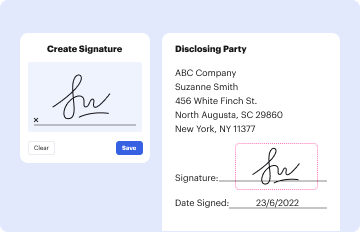
Forms utilized online are often bound by digital signature laws and data protection regulations, ensuring they have the same legal weight as paper-based signatures when appropriately used.
- ESIGN Act: Provides legal standing for electronic signatures and records, applicable across various states and digital environments.
Best Practices for Legal Use
- Signature Verification: Use secure, verified methods for signatures to ensure authenticity and legality.
- Document Security: Implement security measures to protect personal information collected through online forms.
State-Specific Rules for the Form Online
Variations by State
Some forms are subject to state-specific regulations or variations based on local laws, particularly in areas like tax collection, voting registration, and licensing.
- Local Amendments: Certain states may have additional requirements or alterations to standard forms.
- Examples: Different privacy rights apply according to state laws, impacting how information can be stored or shared.
Ensuring Compliance
- Stay Informed: Regularly check state updates affecting form requirements or submission procedures.
- Adapt Procedures: Modify online forms as needed to align with regional legislative changes.
Examples of Using the Form Online
Practical Applications
Organizations, individuals, and businesses can use online forms for various purposes beyond just basic surveys.
- Educational Enrollment: Colleges and universities streamline student registration and course enrollment through online forms.
- Job Applications: Companies use them to collect resumes and applicant information efficiently.
- Healthcare Registrations: Medical facilities use forms for patient intake and insurance information.
User Scenarios
- Small Businesses: Utilizing forms to collect customer feedback or new orders.
- Non-Profits: Using forms for volunteer sign-ups and donor information collection.
Digital vs. Paper Version
Comparing Online and Paper Forms
While both serve the same fundamental purpose in data collection, the digital version provides additional functionalities and conveniences not possible with paper.
- Advantages of Digital Forms:
- Real-time Processing: Instant data collection and response tracking.
- Cost-Effective: Reduces printing and material costs.
When to Use Each
- Paper Forms: Still relevant in locations with limited internet access or for audiences with low digital literacy.
- Digital Forms: Preferred for quick, efficient handling of large-scale data, especially with global reach or remote participants.
Each section provides a comprehensive, detailed exploration of the topic of online forms, ensuring that the content is valuable, practical, and relevant to various user needs and situations.