





Understanding the Affidavit in Lieu of Originals
An affidavit in lieu of originals serves as a legal declaration allowing certain documents to be substituted with sworn statements when original documents are not available. This is particularly useful in scenarios where the presentation of original documents is challenging, such as when applying for a passport or an OCI (Overseas Citizen of India) card. The affidavit provides all necessary details required for verification without needing the original documents at hand.
Key Components of the Affidavit
Affidavits in lieu of originals generally contain several critical elements:
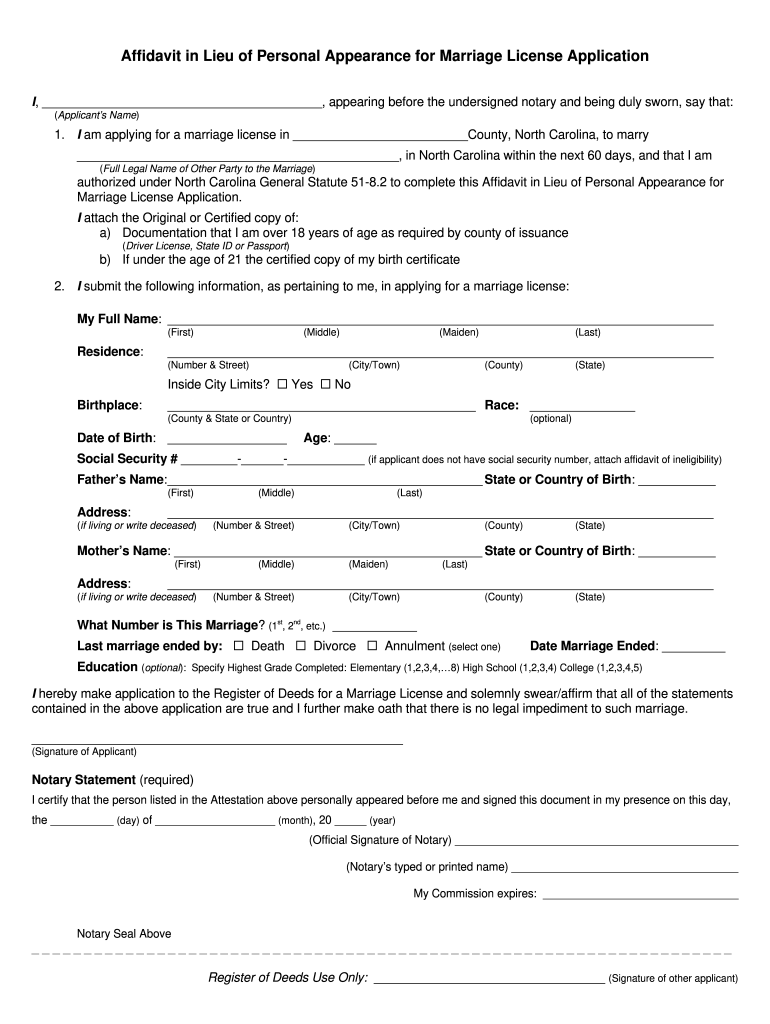
- Affiant Information: Personal details about the individual making the affidavit, including full name, address, and pertinent identification numbers.
- Statement of Facts: A detailed description of the reasons for submitting the affidavit in place of the originals, outlining the circumstances that led to the unavailability of the original documents.
- Document List: Identification of the specific documents being replaced, such as marriage certificates or birth certificates.
- Notary Acknowledgment: A section where the affiant signs in front of a notary public, affirming that the statements made within the affidavit are true to the best of their knowledge.
How to Fill Out an Affidavit in Lieu of Originals
Filling out the affidavit requires attention to detail:
- Identify the Purpose: Understand the reason the affidavit is needed, such as applying for immigration status or certification of eligibility.
- Collect Necessary Information: Gather all relevant details such as the names, dates, and event descriptions related to the documents being referenced.
- Use Clear Language: Write statements in clear and concise language to avoid any ambiguity.
- Follow Legal Formatting: Ensure the document adheres to local legal standards, which may include specific language or wording that needs to be included.
- Seek Notarization: Once completed, ensure the document is notarized to validate the claim being made.
Legal Considerations and Variations
Affidavits in lieu of originals must comply with local laws. Different states may have specific requirements regarding how these affidavits must be formatted, what information must be disclosed, and the acceptable types of documents that can be substituted.
- State-Specific Rules: For example, some states may require additional witness signatures or may restrict the use of affidavits to certain types of documents.
- Usage for Minors: Special variations exist when filling out affidavits in lieu of originals for minors, requiring additional consent from guardians along with identification particulars for the child.
Common Use Cases
These affidavits are widely used in various scenarios, particularly:
- Immigration Applications: When individuals cannot present original documents due to overseas military service or loss of documents due to natural disasters.
- Legal Proceedings: Where original evidence is missing, and an affidavit can substantiate claims being made in court.
- Financial Transactions: Such as loan applications requiring proof of identity and financial history when originals are misplaced.
Examples and Templates
Sample filled affidavits can serve as a useful guide. For instance, an affidavit in lieu of originals for OCI applications may include:
- Affiant’s Statement: “I, John Doe, do hereby swear that I am unable to provide original documents due to…”
- Documentation List: “This affidavit serves to replace the copies of my marriage certificate, birth certificate, and passport which were lost in a house fire.”
Having templates available helps streamline the process and ensures consistency in applications.
Conclusion
An affidavit in lieu of originals is an essential legal tool that facilitates the verification of identity or status when original documents cannot be presented. Understanding its components, proper filling instructions, and ensuring compliance with legal standards is crucial for effective use. These affidavits are valuable in immigrant applications, legal proceedings, and various administrative processes where document authenticity is required without the actual originals.


