




Definition and Meaning
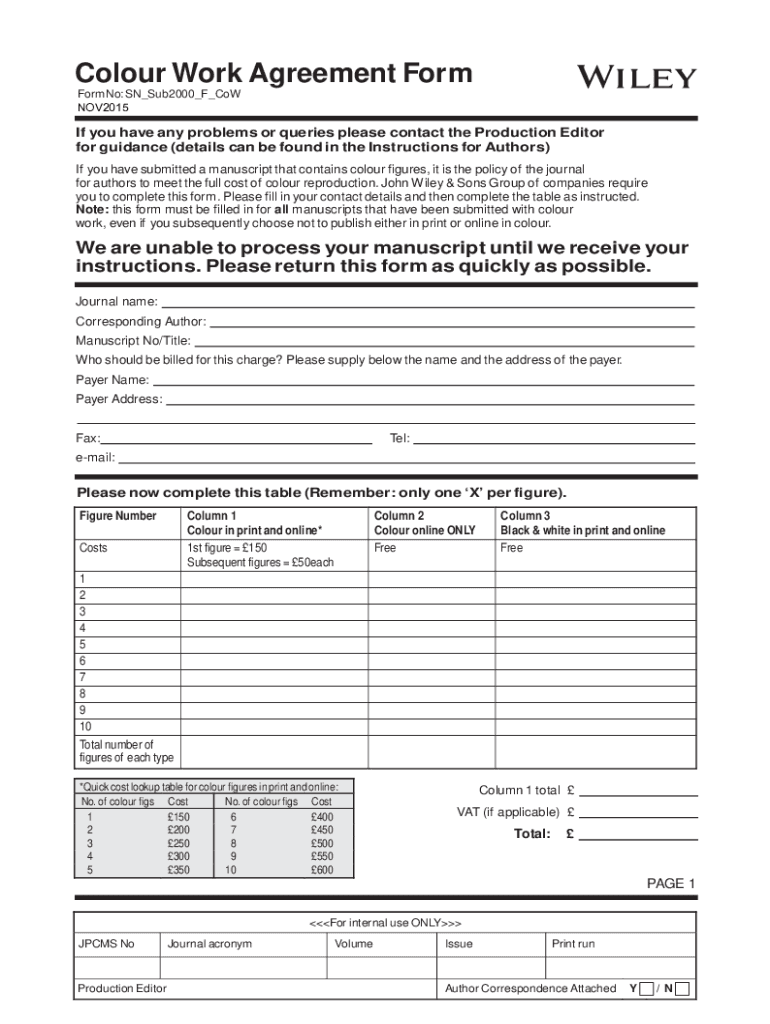
The term "form online" refers to the electronic versions of documents or templates that are accessed and completed via the internet. These forms can serve various functions such as applications, surveys, registrations, or agreements, providing a versatile medium for collecting and processing information. Online forms streamline processes by eliminating the need for paper or physical submissions, thus enhancing efficiency and accuracy. They often include features like auto-fill, drop-down menus, and digital signatures to simplify user interaction.
Importance of Forms Online
- Accessibility: Online forms can be accessed from anywhere with an internet connection, making it convenient for users to complete and submit forms without geographical limitations.
- Time Efficiency: Automating data entry and processing reduces the time required to manage forms, allowing for quicker results and responses.
- Cost-Effective: By reducing the need for paper, printing, and mailing, online forms save costs associated with traditional form management.
- Environmentally Friendly: Utilizing online forms decreases paper usage, supporting eco-friendly practices.
How to Use the Form Online
To efficiently use an online form, several key steps and features enhance usability and accuracy:
-
Access the Form: Navigate to the website where the form is hosted. Forms can typically be accessed directly through a link or via integrated services such as email attachments or cloud storage.
-
Input Information: Fill in required fields with the necessary information. Fields may include text boxes, checkboxes, and radio buttons which guide users in providing accurate data.
-
Review Entries: Check all entries for completeness and accuracy. Many forms include validation checks that prompt users to correct errors or fill in missing information.
-
Submit the Form: Once complete, click the submit button. The form may provide a confirmation message or email to ensure successful submission.
Tools to Enhance Form Submission
- Save Progress: Some forms allow users to save progress and return later, which is useful for lengthy or complex forms.
- Auto-Complete: This feature accelerates the filling process by suggesting information based on prior entries or standard profiles.
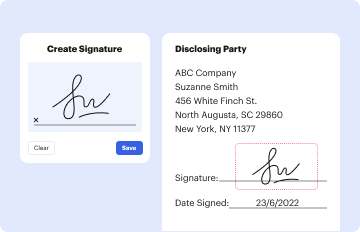
- Digital Signature: If required, users can add legally binding e-signatures directly in the form.
Steps to Complete the Form Online
Completing an online form typically involves the following steps to ensure accuracy and compliance:
- Initiate the Form: Access the form through the designated online portal.
- Carefully Read Instructions: Review any provided guidelines or instructions before beginning to fill out the form.
- Enter Data: Start by inputting your data into the respective sections, ensuring you follow the field requirements precisely.
- Add Attachments: If the form requires additional documents, upload them in the specified format.
- Proofread Entries: Double-check the entered data for any errors or omissions.
- Submit the Form: Click the submit button to send your completed form for processing.
- Confirm Submission: Look for a confirmation acknowledgment, which may appear on screen or be sent via email.
Common Challenges and Solutions
- Field Errors: Incorrect entries can lead to form rejection. Ensure data is in the correct format and double-check entries before submission.
- Technical Issues: Problems with internet connectivity or the website can disrupt form completion. Consider using a stable connection and up-to-date browser.
Key Elements of the Form Online
Understanding the structure and components of a form is essential for smooth completion:
- Title and Purpose: Clearly states the form's intent, often found at the top of the document.
- Instructions Section: Provides detailed information on how to complete the form correctly.
- Contact Information: Requires input such as name, address, phone number, and email.
- Specific Data Fields: This could include specific data points, like social security numbers or tax identification numbers.
- Signature Field: For digital forms, a section where users provide electronic approval.
Data Collection Features
- Drop-Down Menus: For standardized responses which reduce input variability.
- Text Boxes: Allow free-form answers, giving flexibility in user input.
- Checkboxes/Radios: Used for selecting predefined options, ensuring precise data collection.
Legal Use of the Form Online
Online forms often fulfill legal roles, necessitating adherence to regulatory standards:
Compliance Requirements
- Data Protection: Forms must comply with laws such as the General Data Protection Regulation (GDPR) and others pertinent to personal data.
- Electronic Signature Laws: Must align with legal standards like the E-SIGN Act in the U.S. to ensure signatures are valid and binding.
- Privacy Policies: Informs users about data collection practices and consent requirements.
Practical Applications
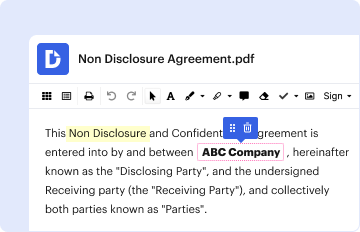
- Contracts and Agreements: Could be utilized to gather consent for binding agreements or services.
- Government Applications: For activities such as licensing or tax filings, where legal compliance is crucial.
Who Typically Uses the Form Online
Online forms are employed by diverse demographics based on their specific purposes:

Common User Groups
- Businesses: Streamline processes such as customer feedback, order forms, or employment applications.
- Educational Institutions: For enrollment, surveys, or feedback collection.
- Government Agencies: Used for applications, claims, or compliance reports.
- Non-Profit Organizations: To register participants, collect donations, or manage events.
User Benefits
- Efficiency: Reduced processing times and errors.
- Convenience: Ability to complete and submit forms from any location.
- Accuracy: Validation features help ensure data integrity.
Important Terms Related to Form Online
Understanding common terminology associated with online forms enhances cognition and usage:
- E-signature: A digital form of signing documents electronically, legally recognized in many jurisdictions.
- Form Builder: A software tool or service used to create customizable forms.
- Responsive Design: An approach to web design ensuring forms are usable across various devices, such as desktops and mobiles.
- Back-End Processing: Involves the handling and storage of forms data by the host platform after submission.
Software Compatibility
For successful completion and submission, compatibility with commonly used software tools is crucial:
Supported Platforms and Services
- Google Workspace Integration: Easily import and export forms using Google Drive and Gmail.
- Dropbox and OneDrive: Seamless document movement between cloud services and form platforms.
- DocHub's Desktop and Mobile Functionality: Ensures forms can be filled out on any device without dedicated software installations.
Real-World Scenarios
- Collaboration: Teams working remotely can contribute to the same form, ensuring input is gathered from relevant parties.
- Integration with Accounting Tools: Compatibility with software like QuickBooks can streamline financial forms and records management.
These detailed sections are aimed at providing comprehensive coverage of "form online," ensuring users understand not only how to complete these forms but also appreciate their value and utility in various professional and legal contexts.