





Definition and Meaning
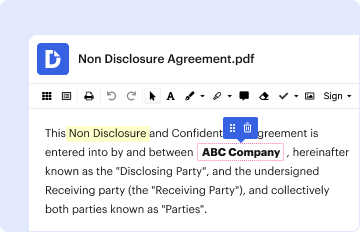
The term "form online" typically refers to digital forms that can be filled out and submitted over the internet. This mode of handling forms streamlines data entry and submission processes compared to traditional paper forms, offering convenience and efficiency. Online forms are particularly useful in various contexts such as housing applications, tax filings, and legal documentations, enabling organizations and individuals to save time and reduce errors associated with manual data entry. With the capability to collect structured data, these forms facilitate seamless integration into automated systems, enhancing overall workflow efficiency.
Steps to Complete the Form Online
Completing a form online involves several key steps that ensure accurate and efficient submission:
-
Access the Form: Navigate to the specific website or platform hosting the form. For instance, if you need to fill out a housing application like the Monroe Group resident form, you'll typically find it on their official site.
-
Review Instructions: Carefully read any instructions provided. This step is crucial for understanding what information is required and how to properly fill out each section.
-
Enter Required Information: Fill in necessary details such as personal information, household composition, and financial data. Ensure precision to avoid rejection or delays in processing.
-
Upload Necessary Documents: Attach any requested documents like proof of income or identification if the form requires it. Make sure to follow the platform's specific guidelines for document format and size.
-
Review Your Entries: Before submitting, double-check all entries for accuracy. Online platforms often provide a summary or review screen for this purpose.
-
Submit the Form: Once all information is verified, submit the form electronically. You may receive a confirmation email or tracking number upon successful submission.
-
Track and Follow Up: If the online platform supports it, track the status of your form. Follow up if there are delays or additional information required.
Why You Should Form Online
Filling out forms online provides several advantages that make it an appealing choice:
-
Convenience: Access forms from anywhere with an internet connection, eliminating the need to travel or mail paper copies.
-
Efficiency: Reduce the time spent filling out forms compared to handwritten entries, especially when using pre-filled data technology or autofill features.
-
Accuracy: Minimize errors through built-in validation checks and automatic calculations available in many online forms.
-
Environmentally Friendly: Save resources by reducing paper consumption and the carbon footprint associated with mail delivery.
-
Real-Time Updates: Instant submission and confirmation allow for quicker processing times compared to traditional methods.
-
Security: Advanced encryption methods ensure that personal and sensitive information is protected during submission and storage.
Who Typically Uses the Form Online
A wide range of individuals and organizations rely on online forms across various sectors:
-
Individuals: For job applications, tax filings, or government services, individuals use online forms for efficient processing.
-
Businesses: Enterprises, both small and large, adopt online forms for internal documentation, client onboarding, and customer feedback.
-
Educational Institutions: Schools and universities utilize online forms for admissions, registrations, and surveys.
-
Nonprofits: These organizations often use online forms for volunteer registrations, donations, and event sign-ups.
-
Government Agencies: For efficient public service delivery, many agencies have migrated numerous public-facing forms online.

Key Elements of the Form Online
When engaging with forms online, certain elements are commonly found to facilitate their completion:
-
Input Fields: Standard elements like text boxes, radio buttons, and dropdown menus to capture user input.
-
Validation Checks: Built-in mechanisms to ensure that inputs meet specified criteria (e.g., format, length).
-
Save and Resume: Feature that allows users to save progress and return later to complete the form.
-
Dynamic Fields: Adaptive sections that display or hide based on preceding answers, streamlining the user experience.
-
Submission Confirmation: Automated messages or emails that verify form receipt.
Legal Use of the Form Online
Using forms online introduces several legal considerations, particularly concerning data privacy and compliance:
-
Data Protection: Compliance with laws like the General Data Protection Regulation (GDPR) or the California Consumer Privacy Act (CCPA) is essential.
-
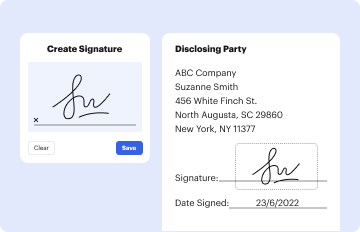
Electronic Signatures: Legally binding under acts like the ESIGN Act, providing assurance for electronically signed documents.
-
Verification: Ensuring identity verification mechanisms are in place, especially for sensitive submissions.
-
Consent: Obtaining explicit consent for data collection and processing as per legal requirements.
Required Documents
Submitting forms online often necessitates accompanying documentation, which might include:
-
Identification: Such as a driver's license, passport, or Social Security card.
-
Proof of Address: Utility bills or lease agreements for verification of residency.
-
Financial Documents: Recent pay stubs, tax returns, or bank statements for financial forms.
-
Official Letters: Recommendations or reference letters may be needed for certain applications.
Software Compatibility
Online forms are often integrated into or compatible with various software solutions to enhance user experience:
-
Document Management Systems: Platforms like DocHub that facilitate editing and signing digital forms.
-
Tax Software: TurboTax or other tax-related tools that streamline submission to the IRS.
-
Accounting Software: QuickBooks compatibility for business-related financial forms.
-
Cloud Storage: Integration with Google Drive, Dropbox, and other storage solutions for seamless document management.
Through these sections, users can gain a comprehensive understanding of filling out forms online, ensuring they benefit from the full range of features and efficiencies offered by digital forms.