





Definition and Meaning of "Form Online"
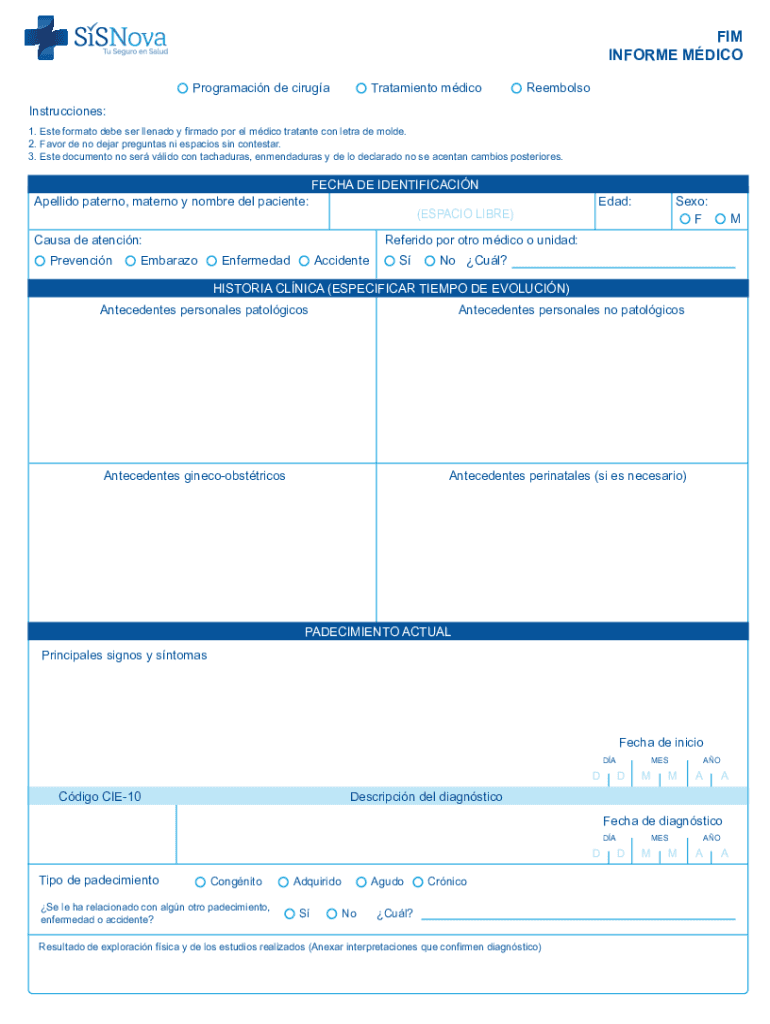
An online form is a digital document designed for inputting and submitting information through the internet. Unlike traditional paper forms, online forms allow for seamless collection and management of data, streamlining administrative processes. They can include various fields such as text boxes, checkboxes, dropdown menus, and signature fields, accommodating a wide range of data types. Online forms are versatile tools used across multiple sectors, including healthcare, education, and business, to simplify data collection and management.
Features of Online Forms
- Interactivity: Online forms often include interactive elements that guide users through the data entry process, ensuring accuracy and completeness.
- Customization: These forms can be tailored to specific needs, allowing organizations to gather precise information.
- Accessibility: Designed to be accessible via multiple devices, users can fill out forms on desktops, tablets, or smartphones.
How to Use the Form Online
Using an online form involves a series of straightforward steps designed to make the process efficient and user-friendly. First, access the form through a web browser on any device. Once the form is open, follow these general steps:
- Review the Instructions: Before entering any data, carefully read the form's instructions to understand what information is required.
- Fill in Required Fields: Enter the requested information into all mandatory fields, typically marked with an asterisk.
- Review for Accuracy: Double-check all entered information to ensure it is accurate and complete, reducing the likelihood of errors.
- Submit the Form: Once satisfied with the accuracy, click the submit button. Many forms will provide a confirmation message upon successful submission.
Practical Scenarios
- Job Applications: Applicants can complete employment forms remotely, submitting their information directly to potential employers.
- Customer Feedback: Businesses often use online forms to gather customer feedback efficiently.
How to Obtain the Form Online
Accessing an online form is generally straightforward. Typically, the process involves locating the form on a website or through a direct link provided by the organization requiring the information.
- Website Navigation: Visit the website of the entity requiring the form and navigate to the forms or downloads section.
- Direct Link: Often, a direct URL is provided in emails or communications, leading directly to the form.
- Authentication: Some forms require users to log in with a username and password, ensuring secure access.
Supporting Platforms
- Cloud Services: Documents can be accessed and imported from platforms like Google Drive, Dropbox, and OneDrive.
- Browser Compatibility: Most forms are accessible from popular web browsers, ensuring broad usability.
Steps to Complete the Form Online
Completing an online form efficiently requires following structured procedures to ensure accuracy and completeness.
- Identify the Form Version: Confirm that you are using the correct and most current version of the form.
- Gather Necessary Documents: Have all required documents and information at hand before starting.
- Fill Out the Form: Enter data carefully in the appropriate fields, paying attention to formatting requirements such as dates.
- Attach/Upload Documents: If the form requires supplementary documents, ensure they are uploaded correctly.
- Review and Double-Check: Before final submission, go through each field to verify that all information is correct.
- Submit: Click the submit button, ensuring the data is transmitted securely.
Common Mistakes to Avoid
- Incomplete Fields: Leaving mandatory fields blank can cause submission issues.
- Incorrect Information: Providing false or inaccurate information can lead to rejection or delay.
Why You Should Form Online
Using online forms brings a multitude of benefits to organizations and individuals alike. They streamline operations, improve accuracy, and enhance overall efficiency.
- Efficiency: Eliminates the need for manual data entry, significantly reducing processing times.
- Cost-Effectiveness: Saves on resources such as paper and postage, offering a more sustainable solution.
- Data Security: By storing data electronically with robust encryption, online forms enhance data protection.
Case Studies
- Higher Education: Universities use online forms for student enrollment, efficiently managing large amounts of data.
- Healthcare Providers: Medical institutions implement online forms for patient intake, improving the accuracy of medical histories and treatment plans.
Key Elements of the Form Online
Online forms are composed of various elements that ensure they function correctly and satisfy user needs.
- Input Fields: Text boxes, radio buttons, and checkboxes for gathering different types of information.
- Validation Criteria: Rules set for input fields to ensure data is captured in the correct format, such as date and number formats.
- Submission Confirmation: A prompt confirming successful submission of the form, often accompanied by a reference number or email notification.
Additional Features
- Auto-Save: Some forms autosave input data, preventing loss from accidental form closure or connectivity issues.
- Conditional Logic: Dynamic fields that adjust based on previous answers, providing a customized experience to each user.
Legal Use of the Form Online
When dealing with online forms, especially those involving sensitive data or transactions, understanding the legal implications is critical.
- Compliance Standards: Online forms must comply with data protection laws such as the GDPR or the California Consumer Privacy Act (CCPA).
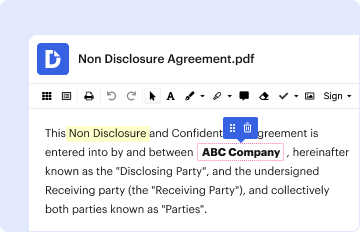
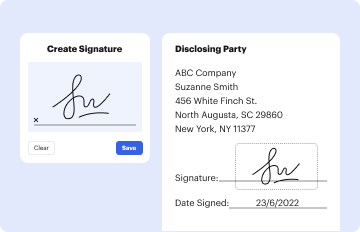
- Electronic Signatures: Use of online forms may involve electronic signatures, which are legally recognized under the ESIGN Act.
- Authentication and Verification: Measures like OAuth 2.0 are used to verify user identity and ensure secure access to forms.
Related Concerns
- Privacy Policies: Organizations should have clear privacy policies regarding how data collected via online forms will be used.
- User Consent: It's essential that users are informed and consent to terms and conditions before submitting their information.
State-Specific Rules for the Form Online
Certain forms may have state-specific guidelines, affecting how they should be filled out and submitted.
- State Regulations: Some states require additional documentation attachments or specific formatting in submissions.
- Tax Forms: State taxes often have unique forms and processes, requiring attention to detail and full understanding of local legislations.
- Licensing Applications: States may have different requirements for business licenses, necessitating tailored approaches for form completion.
Practical Applications
- Business Registration: Varies by state; forms must adhere to specific legal requirements pertinent to business operations.
- Healthcare Directives: Legal forms indicating medical preferences may differ in interpretation from one state to another.
The above sections are designed to cover all essential aspects of using and understanding online forms, providing detailed and practical insights to the readers.