



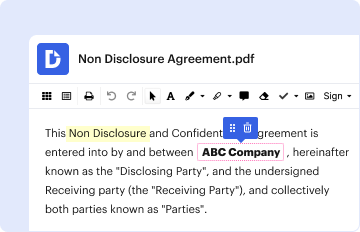
01. Edit your nyc doe photo consent form online
Type text, add images, blackout confidential details, add comments, highlights and more.

Type text, add images, blackout confidential details, add comments, highlights and more.
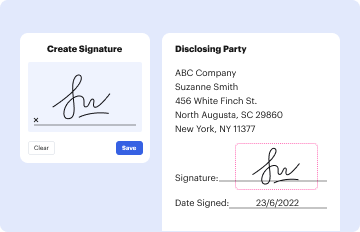
Draw your signature, type it, upload its image, or use your mobile device as a signature pad.
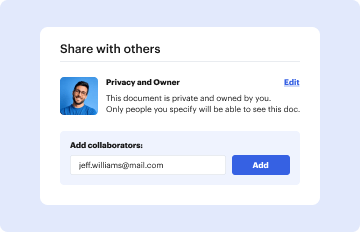
Send doe photo consent form via email, link, or fax. You can also download it, export it or print it out.
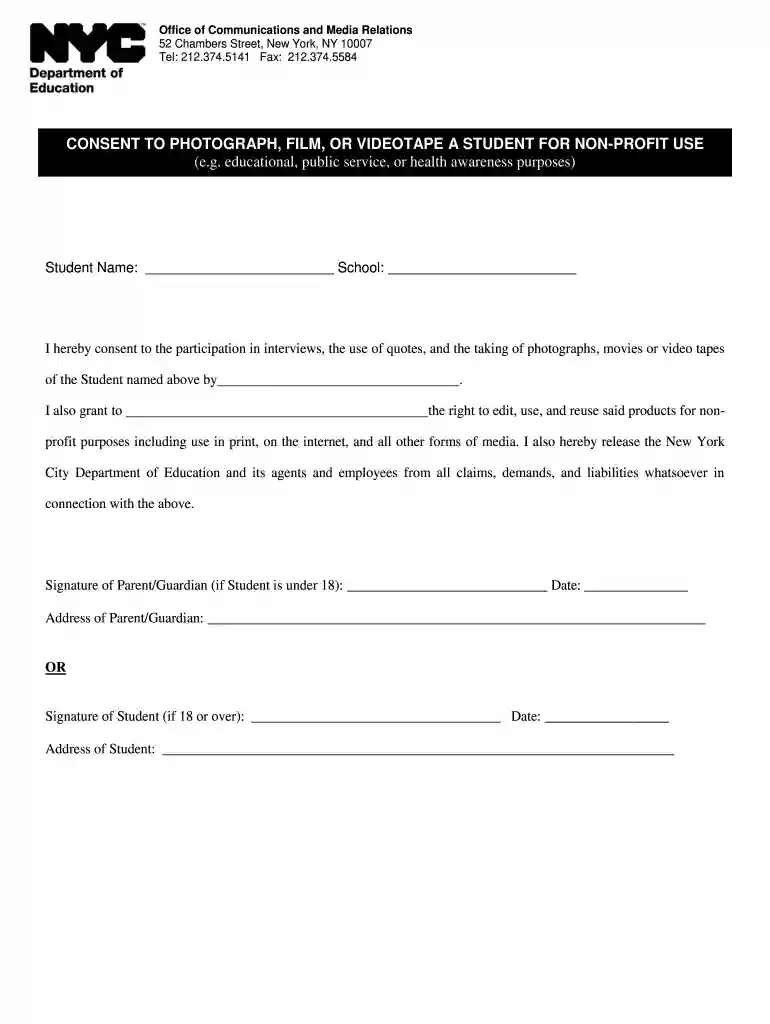
The consent photograph form is a legally binding document designed to obtain permission from individuals, typically parents or guardians, to use photographs or video footage involving students for specific purposes. It is often utilized in educational settings, such as by the New York City Department of Education (NYC DOE), allowing institutions to use images for promotions, publications, or web content. The form assures that the rights of the students and their families are respected while also facilitating the effective communication and representation of the institution's activities.
The form typically contains sections that outline the intended use of the photographs and the rights of the individuals involved. It establishes clear expectations regarding how the images will be used and assures that they will not be exploited or used inappropriately. Understanding this form is crucial for both educational institutions and parents to navigate necessary permissions in a clear and legally compliant manner.
Filling out the consent photograph form requires attention to detail to ensure compliance with legal standards and institutional policies. Below are the steps typically involved:
Download the Form: Obtain the consent photograph form from the relevant educational institution's official website or request it directly from the school office.
Read the Instructions: Carefully read through the instructions included with the form to understand all requirements and implications of signing the document.
Provide Personal Information: Fill in the necessary personal details, including student name, grade level, and date of birth, along with parent or guardian contact information.
Specify Permissions: Indicate the specific purposes for which consent is granted. This may include use in school publications, advertising, websites, and social media platforms.
Signature Section: The parent or guardian must sign the document. If the student is 18 or older, they may sign for themselves. It is vital to ensure that the signature matches the printed name for validation.
Submit the Form: Return the completed form to the school office or designated department by the specified deadline, whether digitally or in hard copy as required.
Keep a Copy: Retain a copy of the signed form for personal records. It serves as proof of consent and may be necessary for future reference.
Following these steps ensures that permission is accurately documented and reduces the risk of misuse or disputes regarding the use of photographs.
The legal framework governing the use of consent photograph forms is essential for educational institutions and individuals involved. By signing the consent photograph form, the parent or guardian grants permission for specified uses of their child’s image or likeness, creating a contractual agreement between parties. This document holds significant legal weight, as it ensures that the institution respects the rights of individuals captured in photographs or videos.
Age of Majority: Forms must be signed by a parent or guardian for students under 18. Students who are 18 or older may need to provide their own consent.
Scope of Use: The form should detail the range of uses permitted. Consent for limited uses—like school yearbooks—differ from broader permissions, such as commercial uses.
Revocation of Consent: Individuals must understand their right to revoke consent at any time, and there should be clear instructions on how to do this.
Familiarity with terminology associated with the consent photograph form is vital for understanding its implications. Here are key terms that are often referenced:
Consent: An agreement to allow the use of a person's image or likeness for specific purposes.
Release Agreement: A legal document wherein the individual relinquishes any future claims regarding the use of their image.
Minor: A person under the age of 18, requiring parental or guardian consent for most agreements.
Publication: Refers to the distribution of photos through various channels, including print and digital media.
The consent photograph form is utilized primarily by educational institutions, but its application extends beyond schools. Here’s a more detailed view of the typical users:
Schools and Educational Institutions: These entities use the form to document parents’ permissions for using students’ images in various media formats related to school events and achievements.
Non-Profit Organizations: Groups involved in educational outreach or community programs typically use similar consent forms when photographing participants.
Media Organizations: News agencies or community media outlets may also require similar consent for ethical and legal use of images.
Sports Organizations: Youth sports leagues often use this form to obtain necessary permissions from parents when capturing images during games and events.


Practical examples of situations where a consent photograph form may come into play include:
School Yearbook: A school requires parental consent to feature a student’s photo in the yearbook. The consent form specifies how long the images will be kept and where they will be used.
Promotional Materials: An educational institution wants to showcase their programs and events through brochures or social media platforms, necessitating a broad usage consent from parents.
Live Events: Schools documenting performances or competitions may need the consent form to capture and share images publicly.
Media Coverage: For students participating in a public event covered by local media, consent forms ensure that parents are aware of and agree to the presence and use of their child’s image.
Each of these examples highlights the importance of the consent photograph form in safeguarding rights while facilitating communication and representation within educational settings.
At DocHub, your data security is our priority. We follow HIPAA, SOC2, GDPR, and other standards, so you can work on your documents with confidence.
With this, we seek your consent in allowing us to publish photos and videos which may involve your child to the said platforms. Please do provide yourRead more
Photo Release Form. I hereby grant the Department of Labor permission to use my likeness in a photograph in any and all of its publications, includingRead more


