





Definition & Meaning
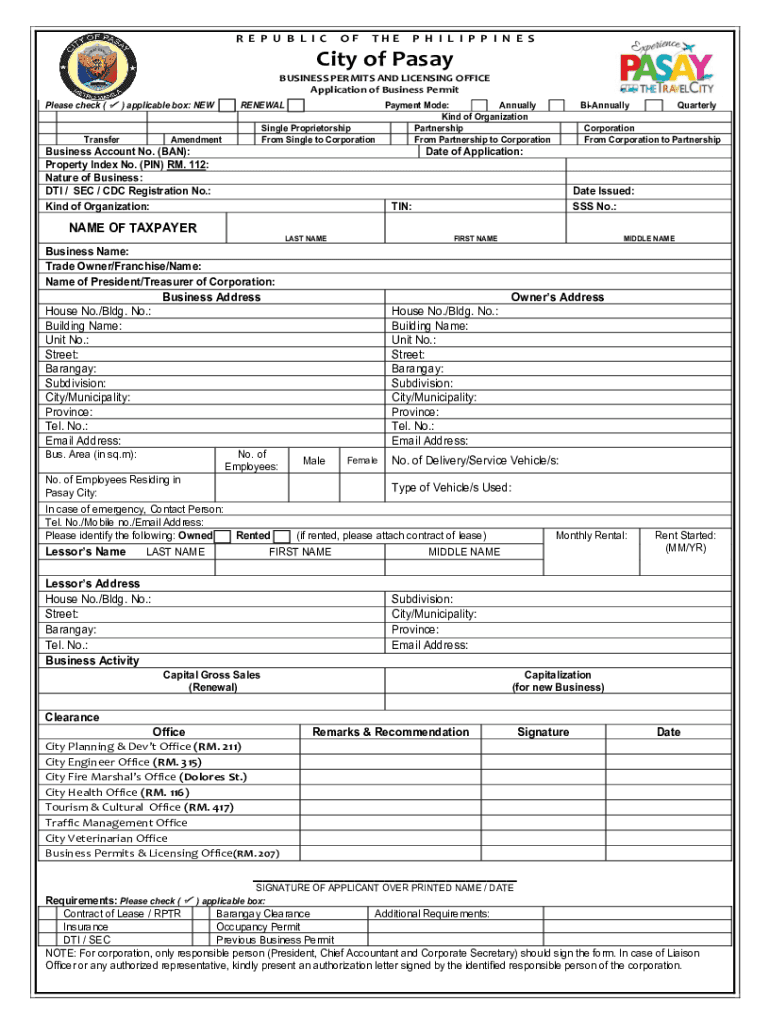
The concept of "form online" refers to using digital tools and platforms to create, manage, and submit various forms over the internet. Instead of handling paperwork physically, users can complete these forms electronically, which often include text fields, checkboxes, and signature options. The ability to form online simplifies and accelerates processes for both personal and professional needs, allowing users to manage documentation from any location. This virtual approach enhances convenience through quick access, easy updates, and streamlined communication between involved parties.
How to Use the Form Online
To effectively use a form online, begin by identifying the specific form needed based on your objectives, such as business applications or tax filings. Follow these general steps:
-
Access the Platform: Open a web-based document management service like DocHub, ensuring compatibility with your device and internet browser.
-
Select the Form: Locate the desired form template or upload a document that requires completion.
-
Enter Information: Fill out the required fields by typing directly into the document. Online forms guide users through the necessary data entries, reducing errors commonly associated with paper forms.
-
Review: Check all entered details for accuracy before submission to avoid potential rejections.
-
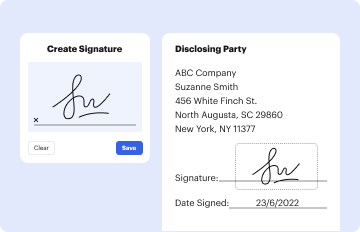
Sign Electronically: If the form requires a signature, use an e-signature tool to add a legally binding signature.
-
Submit: After completion, submit the form according to the platform's instructions, whether through cloud services, via email, or direct submission to the issuing authority.
Steps to Complete the Form Online
Filling out forms online involves several critical steps to ensure data integrity and successful submission:
-
Preparation: Gather all pertinent information and documents beforehand, such as identification numbers, financial details, or relevant supporting paperwork.
-
Form Creation: Utilize an online platform to either download an existing form or initiate a new one. Platforms like DocHub offer both templates and customizable options for unique forms.
-
Data Entry: Input all necessary data carefully. Many platforms include automatic checks to ensure required fields are filled before submission proceeds.
-
Validation and Verification: Double-check entries to confirm details are accurate and complete. Correct any discrepancies prior to finalizing.
-
Collaboration: For forms requiring input from multiple parties, online platforms permit real-time collaboration, tracking changes, and contributions effectively.
-
Final Review and Signing: Conduct a thorough final review, ascertain that all sections are accurate, and apply electronic signatures where needed to validate the document.
-
Submission: Complete the process by submitting the form through the specified digital or email method.
Important Terms Related to Form Online
Understanding terms associated with online forms ensures efficient use:
-
E-Signature: A digital method for signing documents, legally recognized for online transactions, providing convenience over traditional signatures.
-
Fillable Fields: Dynamic sections within a document that allow users to enter data directly on the form.
-
Compatibility: The ability of the form to operate across various devices and software, ensuring seamless access and usability.
-
Encryption: Security measures that protect data within online forms during transfer and storage, such as 256-bit SSL encryption.
-
Cloud Storage Integration: Connecting online forms with services like Google Drive for easy document management and accessibility.
Legal Use of the Form Online
Online forms provide legally recognized methods for collecting and storing data, adhering to regulatory requirements:
- Compliance with ESIGN Act: Ensures that electronic signatures are legally binding in the United States, giving online forms the same legal weight as paper versions.
- Data Protection Regulations: Platforms like DocHub comply with data protection laws, using encryption and authentication to safeguard sensitive information.
- Audit Trails: Document when and by whom a form was viewed or signed, enhancing accountability and transparency.
Key Elements of the Form Online
When using forms online, focus on several critical components to ensure efficiency and legality:
- User Interface: Intuitive design that simplifies navigation and data entry, reducing user error.
- Security Features: Robust encryption and authentication protocols to secure data from unauthorized access.
- Customizability: Ability to personalize forms with specific fields, sections, and designs that fit unique requirements.
- Integration Capabilities: Seamless connection with storage solutions and email providers for streamlined workflow and document management.
Examples of Using the Form Online
Online forms find application across diverse scenarios, illustrating their versatility:
-
Business Applications: Entrepreneurs submit registration forms, financial documents, and permits through online platforms, saving time.
-
Tax Filings: Taxpayers use online platforms to fill, file, and track federal and state tax documents securely and efficiently.
-
Employment Forms: Job seekers and employers manage application forms, onboarding documents, and contracts using digital solutions.
-
Educational Enrollment: Students complete application forms and financial aid documents online, facilitating remote enrollment processes.
Form Submission Methods (Online / Mail / In-Person)
Different submission methods cater to varying needs and accessibility:
-
Online Submission: Ideal for quick, efficient document handling. Secure and instantaneous, removing geographical constraints.
-
Mail Submission: Used when physical signatures or accompanying paperwork require postal services. Generally slower, with potential delays.
-
In-Person Submission: Appropriate for forms needing physical verification or when dealing with sensitive or highly confidential information.
Online submissions are increasingly favored, enabling seamless sharing and storage of documents with built-in security features.