





Definition & Meaning
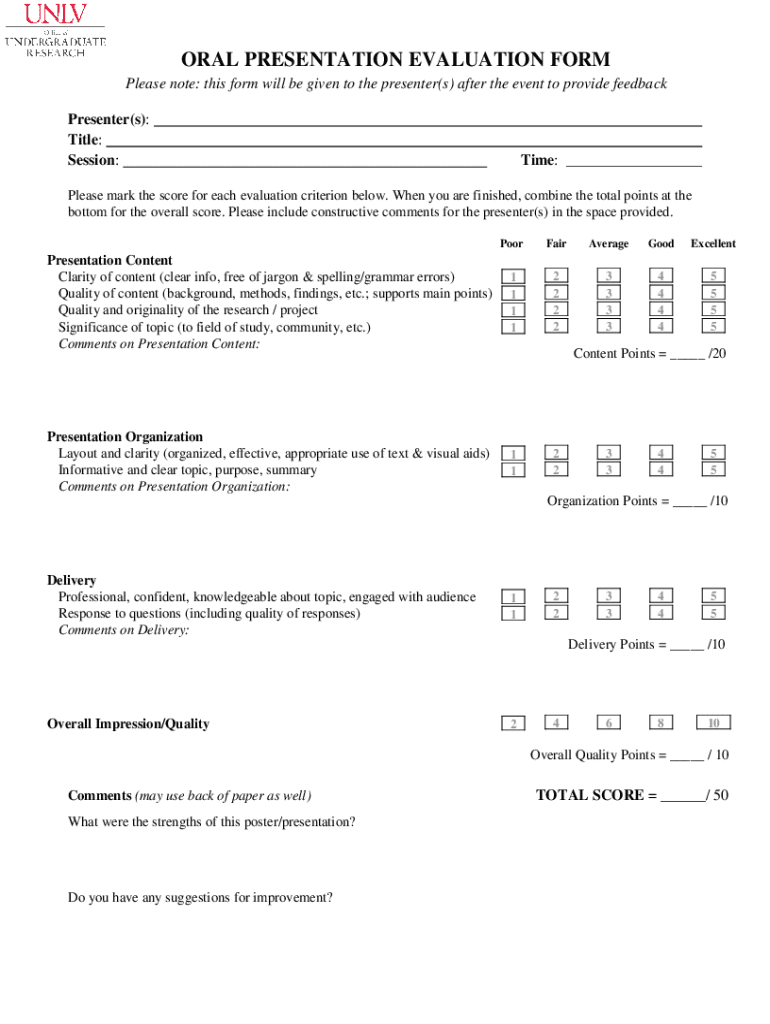
The term "form online" refers to digital formats of traditional paperwork that can be accessed, filled out, and submitted over the internet. These forms provide a convenient alternative to physical forms, allowing users to complete necessary documentation without the need for printing or mailing. Forms online cater to various needs, encompassing tax filings, application forms, evaluations, and other business or personal documentation. Their digital nature facilitates ease of access, real-time data validation, and instantaneous submission.
How to Use the Form Online
Utilizing a form online involves several straightforward steps, ensuring an efficient process.
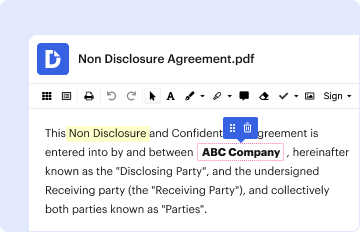
- Access the Form: Users can access a form online through a web portal or document management platform like DocHub. Forms may be available directly through websites or via emails.
- Filling Out: Once accessed, these forms allow for electronic data entry. Users can type directly into text fields, select options from dropdown menus, and check appropriate boxes.
- Submission: After completion, forms can be submitted instantly. Platforms may offer buttons for direct submission or email forwarding.
- Confirmation: Typically, submitting a form online generates an automatic confirmation via email or an on-screen acknowledgment.
Steps to Complete the Form Online
Completing an online form involves careful data entry and review:
- Open the Form: Navigate to the site hosting the form and open it using a compatible browser.
- Read Instructions Carefully: It’s crucial to understand the requirements of each field before inputting data.
- Fill the Required Fields: Enter data accurately in all mandatory fields. Many online forms prevent submission until all required data is entered correctly.
- Attach any Necessary Documents: Certain fields might require uploading documents, such as identification or supplementary forms.
- Review Your Entries: Go through the filled-out form to ensure all information is correct and complete.
- Submit and Save a Copy: After submitting, save a digital copy for personal records, which might be issued automatically upon submission.
Why Should You Form Online
There are numerous advantages to using forms online:
- Efficiency: Online forms eliminate the need to fill out paperwork by hand, thus saving time.
- Accessibility: These forms are accessible from anywhere, allowing users to complete and submit documentation remotely.
- Immediate Submission: With forms online, submission is instant, speeding up processes like applications and renewals.
- Environmentally Friendly: Reducing the need for paper leads to a more environmentally sustainable process.
- Data Accuracy: Built-in validation can reduce errors compared to manual entry.
Key Elements of the Form Online
Online forms typically comprise several key elements that ensure functionality and user-friendliness:
- User Interface: An intuitive layout guides users through the filling process, presenting fields clearly and logically.
- Text Fields: Users can input personalized data such as names, addresses, and other relevant information directly into designated areas.
- Dropdown Menus: These options simplify the selection process for users, offering pre-defined choices.
- Buttons for Submission: Forms include clear submission commands for ease of use.
- Data Validation: Real-time validation ensures that inputs meet necessary requirements before submission is allowed.
Important Terms Related to the Form Online
Understanding key terms associated with online forms enhances clarity and usability:
- Fillable Fields: Areas designated for inputting data, such as text, dates, and numbers.
- Validation: System checks to ensure the form is completed correctly and all required fields are populated.
- Submission: The process of sending a completed form to the appropriate recipient or database.
- Encryption: Protecting the data inputted into forms against unauthorized access during submission.
- Responsive Design: The ability of a form to adjust its layout and size according to various devices and screen sizes.
Legal Use of the Form Online
Online forms are often subject to legal considerations to ensure compliance:
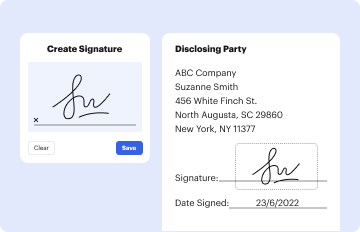
- Electronic Signatures: These are recognized as legally binding under laws such as the ESIGN Act, providing authenticity to submitted forms.
- Data Protection: Personal information submitted via online forms must be protected in accordance with data protection regulations like GDPR or CCPA.
- Audit Trail: Maintains a record of who submitted the form and when, ensuring process transparency.
- Consent: Some forms require users to express consent to the terms and conditions explicitly displayed within the form.
Software Compatibility (TurboTax, QuickBooks, etc.)
For enhanced functionality, online forms often need to be compatible with popular software solutions:
- Integration with Account Software: Some forms can be seamlessly associated with financial software like QuickBooks for easier data management.
- Tax Form Software: Platforms like TurboTax integrate tax filing forms online, simplifying the documentation process for users.
- File Format Compatibility: Compatibility with various file formats ensures smoother transitions across software applications.
- Automation Features: Integration allows for automation of processes, reducing manual entry and enhancing productivity.
By providing comprehensive steps, practical examples, and relevant context, this detailed exploration offers valuable insights into using and understanding forms online.