





Definition & Meaning
In today's digital age, the term "form online" refers to electronic forms available on web platforms, allowing users to fill, submit, and manage their document needs via the internet. These forms replace traditional paper forms and provide a more efficient and accessible means of handling various legal, professional, and personal documentation tasks. Online forms can be static, where users fill out fields directly, or dynamic, incorporating interactive features like dropdowns and checkboxes to guide user input.
Benefits of Using an Online Form
Using an online form streamlines documentation processes through increased accessibility and convenience. Online forms can be accessed from any device with an internet connection, making them ideal for remote and mobile users. They also enhance data accuracy by using validation features that prevent entry errors. Additionally, digital forms often incorporate secure submission channels that protect sensitive information, reducing the risk of data breaches compared to physical forms.
Steps to Complete the Form Online
-
Locate the Form: Use search engines or visit specific document management platforms to find the desired form. Ensure the platform is trustworthy and provides the correct version for your purpose.
-
Enter Information: Fill in the required fields accurately. Use checkboxes, dropdown menus, or signature fields as applicable for the form's interactive features.
-
Review and Edit: Before submission, thoroughly review the form for any errors or omissions. Most platforms allow you to edit fields at this step.
-
Submit: Follow the platform's instructions to submit the form. This often includes options like e-signatures and adding additional documentation if required.
-
Confirmation: Once submitted, a confirmation page or email is typically generated, providing a receipt of submission or further instructions.
How to Obtain the Form Online
Acquiring forms online is straightforward through document management portals such as DocHub. Users can import forms from various sources like local storage, cloud services (Google Drive, OneDrive), or directly start drafting a blank form. These platforms often provide templates that facilitate easy creation and customization of new forms, ensuring users have precisely what is needed for their scenario.
Key Elements of the Form Online
Online forms consist of various interactive fields to capture diverse data types efficiently:
- Text Fields: For entering basic data like names or addresses.
- Checkboxes: Useful for selections among limited options.
- Dropdown Menus: Streamline options by offering predefined choices that reduce input errors.
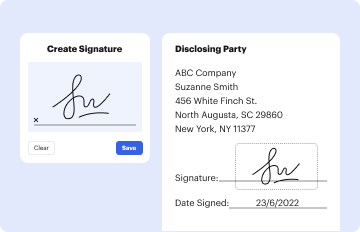
- Signature Fields: Enable electronic signing capabilities, adhering to legal standards like the ESIGN Act.
- File Upload fields: Allow users to attach supporting documents or evidence as required by the form's purpose.
Legal Use of the Form Online
In the U.S., forms filled online adhere to the same legal standards as their paper counterparts. Electronic forms can be used in various legal contexts, ranging from contracts to tax submissions, provided they include legally binding elements like authentic electronic signatures. Platforms like DocHub ensure all legal requirements for electronic forms are met, offering features like audit trails that track and verify the signing process.
State-Specific Rules for the Form Online
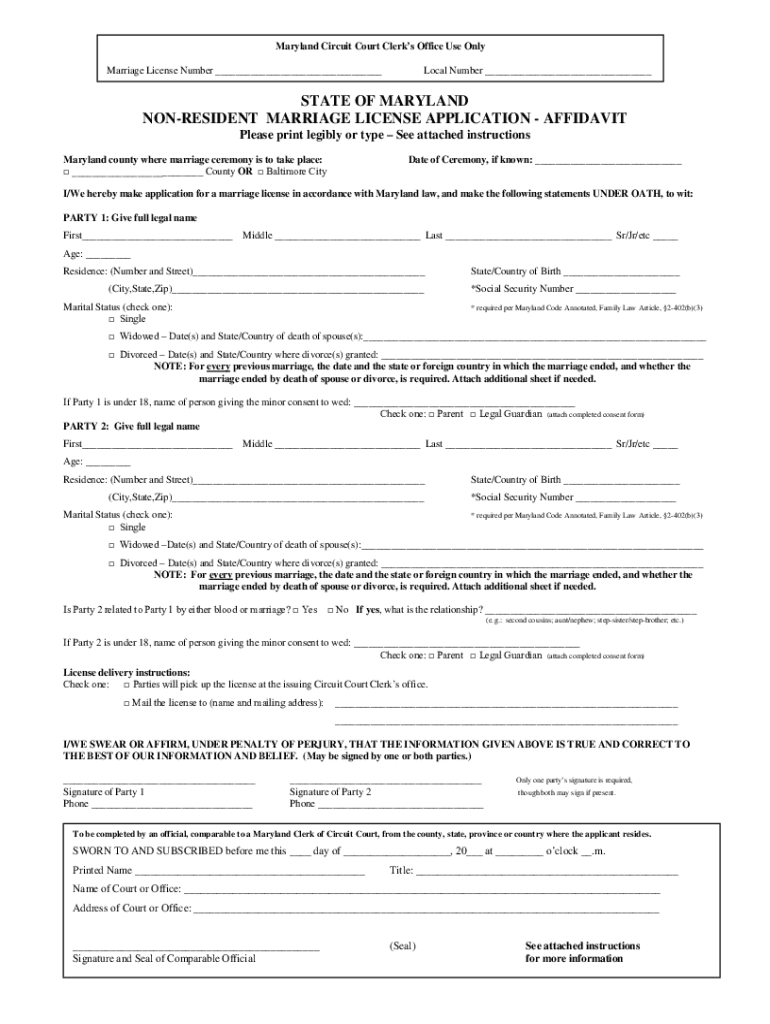
Each state may have distinct requirements or accepted practices for submitting specific forms online. For instance, marriage or business license applications might demand different fields or additional documentation depending on the issuing state's laws. It's crucial to check local regulations to ensure compliance when submitting state-specific forms online.
Examples of Using the Form Online
Forms online are used across various sectors for different purposes:
- Employment: Companies use online forms for job applications, onboarding, and performance reviews.
- Education: Schools and universities implement online forms for enrolling students, releasing grades, and managing applications.
- Government & Legal: Citizens can apply for permits, licenses, or submit taxes through government-issued online forms.
- Healthcare: Patients fill out medical history or insurance claim forms online for faster processing.
Versions or Alternatives to the Form Online
Online forms offer multiple versions catering to different needs. For example, tax forms may have variations throughout different fiscal years or amendments reflecting legislative changes. Alternately, hybrid forms integrate features from both online and paper versions, offering flexibility in how they can be completed and submitted. Users should identify the exact version that aligns with their requirements to ensure complete accuracy and compliance.