





Definition & Meaning
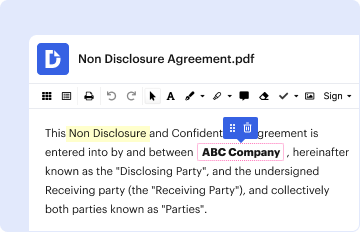
The term "form online" refers to any document that is accessible and fillable via the internet. These forms are utilized across various sectors, including legal, tax, healthcare, and business, to facilitate data collection, submissions, or applications without the need for physical paperwork. The convenience of completing forms online streamlines processes, often reducing time and errors associated with manual submissions.
How to use the form online
Using an online form involves several straightforward steps. First, users need to access the desired form on the designated platform, which can be done by visiting a specific URL or portal. After opening the form, individuals can begin filling in the required fields with the necessary information. Many online forms provide features like autofill and dropdown menus to enhance user experience. Once all fields are completed, the user must typically review their entries for accuracy before submitting the form electronically.
Steps to complete the form online
- Access the Form: Navigate to the appropriate webpage where the form is hosted.
- Input Required Information: Enter data into designated fields, ensuring completeness and correctness.
- Use Interactive Fields: Utilize available functions such as text boxes, dropdowns, and checkboxes to facilitate data entry.
- Review and Verify: Double-check all entries for mistakes or omissions.
- Submit the Form: Click the ‘submit’ button, which will send your form data to the relevant authority or organization.
- Receive Confirmation: Await confirmation acknowledgment, typically in the form of an email or on-screen message.
Why should you form online
Filling out forms online offers numerous advantages. Firstly, it is time-efficient as it eliminates the need for printing, mailing, or physically delivering documents. Secondly, online forms often have built-in validation to minimize mistakes, such as ensuring mandatory fields are completed. Thirdly, digital submissions generally offer a layer of security with encryption, safeguarding personal information during transmission. Furthermore, online forms can be accessed and filled out at any time, providing flexibility for users with varying schedules.
Important terms related to form online
- Fillable Fields: Sections within a form that accept user input, such as text entry boxes or dropdown menus.
- Submission Confirmation: An acknowledgment, often provided immediately after submission, confirming receipt of the form.
- Sensitive Information: Personal or confidential data that requires protection under privacy laws.
- Validation Checks: Automated system checks to ensure that form fields are completed correctly before allowing submission.
Key elements of the form online
- User-Friendly Interface: The layout should be intuitive, making it easy for users to navigate and complete.
- Security Measures: Forms should be protected with encryption to secure user data.
- Accessibility Options: The design must be compatible with assistive technologies to ensure inclusivity for all users.
- Responsive Design: The form should adapt to various devices, providing seamless user experience on both desktop and mobile platforms.
Examples of using the form online
Online forms are used in various scenarios. For instance, job applications are often completed online, allowing candidates to apply for positions from anywhere. Tax forms, such as the W-9, can also be submitted online, simplifying the filing process. University applications and healthcare consent forms are additional examples where online submission facilitates a smoother, more efficient process.
Legal use of the form online
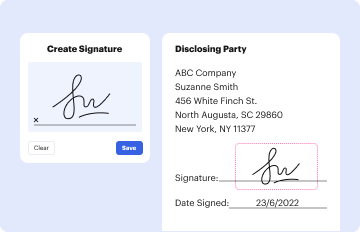
When legally binding information is collected using online forms, adherence to laws such as the ESIGN Act is critical. The Act ensures that electronic signatures are accepted as valid and enforceable, just like their handwritten counterparts. Compliance with this legislation is crucial for businesses to legally authenticate online transactions and agreements, protecting both parties involved.
Required Documents
Certain online forms require users to provide supporting documents. Examples include uploading identification for tax forms or providing previous academic transcripts for school applications. It is essential to have digital versions of these documents ready when filling out applicable forms to ensure a smooth submission process.