





Definition & Meaning
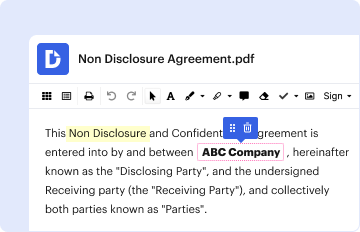
The term "form online" refers to digital documents or tools that allow users to gather and input data electronically rather than using traditional paper methods. Forms that are available online can be employed for various purposes, including applications, surveys, feedback, registrations, and more. These forms leverage electronic platforms to collect, store, and process data efficiently, making them versatile tools in both personal and professional settings.
Key Features of Online Forms
- Accessibility: Online forms can be accessed from any device with internet capability, providing users with flexibility and convenience.
- Customization: They can be tailored to specific needs, allowing users to add fields such as text boxes, radio buttons, checkboxes, and drop-down menus.
- Efficiency: Completing forms online often speeds up the process of data collection and reduces the likelihood of errors.
Examples of Online Forms
- Application Forms: Used for jobs, schools, or services.
- Feedback Forms: Gather customer or employee feedback.
- Registration Forms: For events or classes.
How to Use the Form Online
Using a form online involves several straightforward steps:
- Access the Platform: Navigate to the website or application hosting the form.
- Fill in the Required Fields: Enter the necessary information into the designated fields.
- Review the Information: Check that all entered data is correct.
- Submit the Form: Finalize the process by clicking the submit button.
Tips for Efficient Form Completion
- Prepare Necessary Information: Have documents handy that may be needed to fill out the form completely.
- Double-check Entries: Ensure all information is accurate to avoid delays or errors.
Steps to Complete the Form Online
Filling out a form online can vary depending on its complexity:
- Open the Form: Access the form through a web link or directly from an app.
- Enter Personal Details: Common fields include name, address, and contact information.
- Provide Specific Data: Depending on the form, this could be job history, feedback, or registration details.
- Upload Necessary Documents: Some forms may require you to attach supplementary files.
- Confirm and Submit: Review your inputs in the confirmation page and submit once satisfied.
Example: Job Application Form
- Section 1: Personal Information
- Section 2: Previous Employment Details
- Section 3: Upload Resume and Cover Letter
Why Should You Form Online
Online forms offer multiple advantages:
- Time-Saving: Streamlining data entry and processing.
- Cost-Effective: Eliminating the need for paper, printing, and storage.
- Improved Data Accuracy: Minimizing manual errors through automated fields and validation checks.
Additional Benefits
- Environmentally Friendly: Reducing the use of paper contributes to sustainability efforts.
- Real-Time Data Collection: Instant access and updates to submitted forms enhance data processing speed.
Who Typically Uses the Form Online
Online forms cater to a broad audience ranging from individuals to large organizations:
- Individuals: For personal applications such as visas or school enrollments.
- Businesses: For internal processes like employee onboarding or customer feedback.
- Educational Institutions: For student registration and course feedback.


Sector-Specific Uses
- Healthcare: Patient intake forms.
- Government: Tax filings and permit applications.
Important Terms Related to Form Online
Understanding the following terms can enhance your experience with online forms:
- Captcha: A tool used to verify that a person, not a machine, is completing the form.
- Auto-fill: A feature that allows browsers to pre-fill certain fields with saved user data.
Additional Terms
- Responsive Design: Ensures the form displays correctly on devices of any size.
- Validation Rules: Criteria used to check the accuracy of entered data.
Legal Use of the Form Online
Forms completed online must comply with various legal standards to ensure security and privacy:
- Data Protection: Adhering to regulations like the General Data Protection Regulation (GDPR) to safeguard user information.
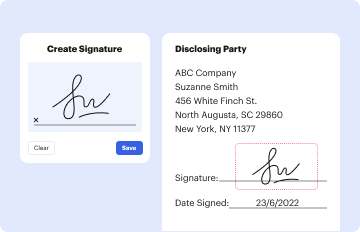
- Electronic Signatures: Legally binding when forms require signatures, as per the ESIGN Act in the United States.
Compliance Measures
- SSL Encryption: Protects data transmission across networks.
- User Consent: Typically obtained through checkboxes for terms and conditions acceptance.
Key Elements of the Form Online
Certain components are integral to online forms:
- Field Labels: Clear identifiers for what information is required.
- Error Messages: Provide feedback on incorrect or missing information.
- Submit Button: Finalizes the form entry process.
Field Types
- Text Fields: For open-ended responses.
- Radio Buttons: For single-choice answers.
- Checkboxes: Allowing multiple selections.
Choosing the right setup for your online form can significantly enhance user experience and data collection efficiency.