







Definition & Meaning
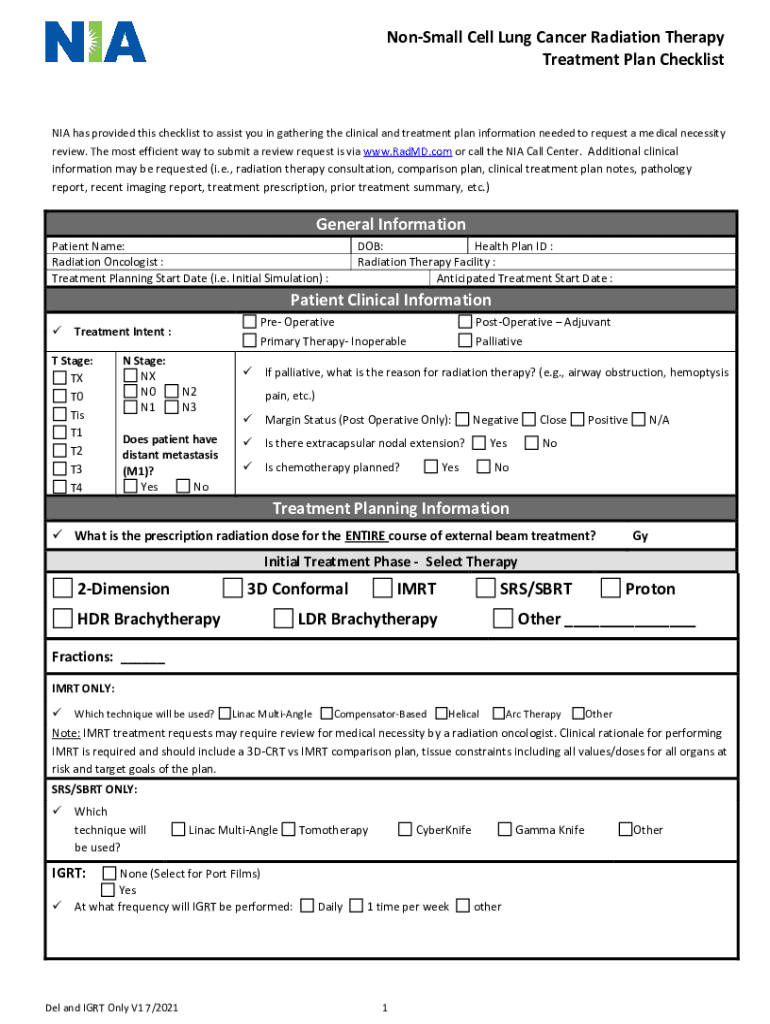
The "Treatment of NonSmall-Cell Lung Cancer: Radiation TherapyFishman's" refers to a comprehensive guide or document detailing the protocols, guidelines, and considerations specifically associated with administering radiation therapy for non-small-cell lung cancer (NSCLC) following Fishman's methodologies or insights. This document is designed to support medical professionals in providing effective and personalized care for patients diagnosed with NSCLC, ensuring adherence to best practices and the latest clinical standards.
Key Elements of the Treatment of NonSmall-Cell Lung Cancer: Radiation TherapyFishman's
- Patient Information Requirements: Collects detailed patient demographics, medical history, and previous treatment data to tailor radiation therapy effectively.
- Treatment Protocols: Includes specific guidelines on the radiation doses, frequency, and duration meant for NSCLC patients, along with any conditional adjustments based on patient response.
- Clinical Data Comparisons: Encourages the inclusion of comparative clinical data within the treatment planning to aid in customizing the therapy approach for individual patients.
How to Use the Treatment of NonSmall-Cell Lung Cancer: Radiation TherapyFishman's
This form acts as a tool for healthcare providers to document and review essential aspects of radiation therapy planning for NSCLC patients.
- Initial Assessment: Begin by entering the patient’s information and pertinent medical history.
- Treatment Options: Evaluate and select the appropriate radiation therapy regimen from the options outlined in Fishman's guidelines.
- Ongoing Monitoring: Utilize the form to record treatment outcomes and patient progress to ensure adherence to medical protocols and adapt treatment if necessary.
Steps to Complete the Treatment of NonSmall-Cell Lung Cancer: Radiation TherapyFishman's
- Fill Out Patient Details: Include all relevant personal and medical information.
- Document Clinical History: Capture comprehensive data on prior treatments and responses.
- Select Treatment Modality: Choose the prescribed radiation therapy regimen tailored to the patient's needs.
- Review Therapy Outcomes: Conduct and document regular checks on the efficacy and results of the treatment plan.
Who Typically Uses the Treatment of NonSmall-Cell Lung Cancer: Radiation TherapyFishman's
The primary users of this form are healthcare providers, including oncologists, radiologists, and medical staff involved in cancer treatment planning and execution. It is also used by medical administrative staff responsible for maintaining patient records and ensuring compliance with healthcare standards.


Legal Use of the Treatment of NonSmall-Cell Lung Cancer: Radiation TherapyFishman's
- Documentation Compliance: Ensures all patient interactions and treatment protocols are well-documented, adhering to legal and ethical medical standards.
- Confidentiality Requirements: Maintains patient confidentiality per HIPAA regulations, securing sensitive health information within the treatment process.
Important Terms Related to Treatment of NonSmall-Cell Lung Cancer: Radiation TherapyFishman's
- Radiation Modality: A specific method or type of radiation therapy used for treating NSCLC, as outlined in Fishman's guidelines.
- Dosimetry: The calculation and assessment of the radiation dose received by the patient, crucial for effective treatment planning.
- Therapy Outcomes: Measures of the effectiveness and results of the radiation therapy provided.
Form Submission Methods (Online / Mail / In-Person)
- Online Submission: Some institutions may offer electronic submission of the treatment form through secure medical platforms.
- Mail: For institutions preferring traditional methods, forms can be completed and mailed directly.
- In-Person: Completed forms may be submitted physically at healthcare facilities, accompanying patient consultations or appointments.
Examples of Using the Treatment of NonSmall-Cell Lung Cancer: Radiation TherapyFishman's
- Case Study 1: Documenting the initial radiation therapy plan and subsequent adjustments for a patient showing partial response to treatment.
- Case Study 2: Utilizing the form to compare past and present clinical data, optimizing ongoing therapy for improved patient outcomes.
State-Specific Rules for the Treatment of NonSmall-Cell Lung Cancer: Radiation TherapyFishman's
- Patient Care Guidelines: Variations might exist at the state level concerning specific radiation therapy protocols based on regional healthcare regulations and resources.
- Reimbursement Policies: State-specific differences could influence the reimbursement process for treatments documented within the form.
Software Compatibility
The digitized version of the form can potentially be integrated with electronic medical record systems and other healthcare software for automatic population of data fields and storage, facilitating easy access and modification across compatible platforms used within healthcare institutions.




