




Definition and Purpose of the Corrective Deed California PDF
A Corrective Deed in California is a legal document used to amend minor errors in a previously recorded deed. These errors might include typos in names, incorrect property descriptions, or misfiled information. The Corrective Deed effectively clarifies these inaccuracies without altering the original intent of the property transfer. Its primary purpose is to ensure that the public records accurately reflect property ownership details, thereby preventing potential disputes or complications in future transactions.
How to Obtain a Corrective Deed California PDF
To obtain a Corrective Deed PDF in California, property owners or their legal representatives typically start by accessing templates online through platforms like DocHub. These templates provide a structured format for creating the document, ensuring all necessary details are included. Alternatively, individuals may consult a real estate attorney or use services at a title company to draft the document. Once drafted, the Corrective Deed must be signed and notarized before submission to the county recorder's office where the property is located.
Steps to Complete the Corrective Deed California PDF
- Review the Original Deed: Identify all errors that need correction.
- Prepare the Corrective Deed: Use an online template or draft a document that includes the original information and the corrections.
- Include Necessary Information: Ensure the document states it is a corrective deed, references the original deed, and specifies the exact corrections.
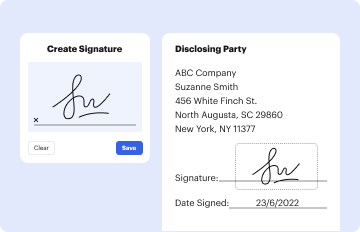
- Obtain Signatures: Both parties involved in the original transaction must sign the document.
- Notarization: Have the deed notarized to confirm the authenticity of the signatures.
- Submit for Recording: File the notarized deed with the appropriate county recorder's office, along with any required fees.
Legal Use of the Corrective Deed California PDF
The Corrective Deed is legally used to correct clerical errors in property records. It is not intended to change substantive terms, such as altering the intent of the transaction or modifying ownership interests beyond correcting the description. By filing a Corrective Deed, owners can ensure the public records accurately depict their intent without the need for a completely new transaction or deed.
Key Elements of the Corrective Deed California PDF
- Title: Clearly labeled as a Corrective Deed
- Reference to Original Deed: Includes recording information of the original document
- Description of Errors: Explicitly outlines the errors being corrected
- Corrected Information: Provides the accurate details to replace the incorrect ones
- Signatures: Must be signed by the parties involved in the correction
- Notarial Acknowledgment: Contains notarization to validate the signatures
State-Specific Rules for the Corrective Deed California PDF
In California, the Corrective Deed must adhere to specific regulations, such as:
- Notation: Must clearly state it is a corrective instrument.
- Accuracy: Only clerical errors can be corrected without altering the substantive elements of property ownership.
- Recording: Submission to the correct county recorder is mandatory for the deed to take legal effect.
- Fees: Certain recording fees may apply, varying by county.
Examples of Using the Corrective Deed California PDF
Consider a case where a property owner discovers a misspelled name in the originally recorded deed. Filing a Corrective Deed with the correct spelling ensures that the official record accurately reflects the owner's identity. Another scenario might involve correcting the parcel number to match the actual property description, thus preventing potential legal disputes or complications in future transactions.
Important Terms Related to Corrective Deed California PDF
- Grantor: The individual or party listed as transferring the property in the original deed.
- Grantee: The individual or party receiving the property.
- Recorder's Office: The local government office where deeds are filed and maintained.
- Acknowledge: The act of confirming the deed by a notary, making it legally enforceable.