Refusal of dental treatment form pdf 2026

Get Form
refusal of dental treatment form pdf Preview on Page 1

Here's how it works

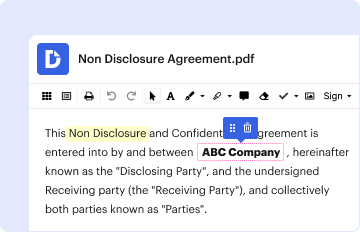
01. Edit your form online
Type text, add images, blackout confidential details, add comments, highlights and more.

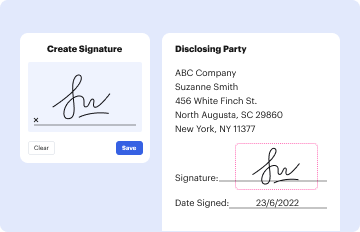
02. Sign it in a few clicks
Draw your signature, type it, upload its image, or use your mobile device as a signature pad.
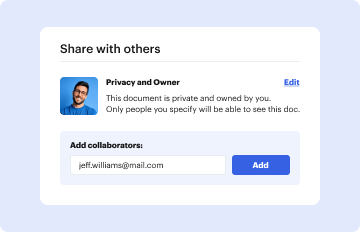
03. Share your form with others
Send it via email, link, or fax. You can also download it, export it or print it out.

How to use or fill out refusal of dental treatment form pdf with our platform

Form edit decoration
9.5
Ease of Setup
DocHub User Ratings on G2
9.0
Ease of Use
DocHub User Ratings on G2
  1. Click ‘Get Form’ to open the refusal of dental treatment form in the editor.
  2. Begin by entering your name in the designated fields for 'Patient’s Name' and 'Date of Birth'. This personal information is crucial for identification.
  3. In the section titled 'Nature of the Recommended Treatment', clearly describe the recommended treatment as outlined by your dentist. Be specific to ensure clarity.
  4. Indicate the reasons for the recommended treatment by checking appropriate boxes such as decay, broken teeth, or infection. You can also add any other relevant details in the provided space.
  5. Fill out the estimated number of visits and cost associated with your treatment. This helps you understand what to expect moving forward.
  6. Review alternative treatments listed and provide initials after discussing them with your dentist. This confirms that you are aware of other options available.
  7. Acknowledge understanding of risks associated with both proceeding and refusing treatment by filling in the respective sections and providing initials where required.
  8. Finally, sign and date the acknowledgment section at the bottom of the form to confirm your decision regarding treatment refusal.

Start using our platform today to easily fill out your refusal of dental treatment form online for free!

be ready to get more

Complete this form in 5 minutes or less

Get form

Got questions?

We have answers to the most popular questions from our customers. If you can't find an answer to your question, please contact us.
Contact us
Every patient has the right to accept or refuse recommended treatment from their dentist, known as informed consent or refusal. Dentists must comply with the informed consent law1 by thoroughly explaining treatment options to patients so they can make the best medical decisions possible for their needs.
Before any treatment begins, your dentist must obtain your consent. This means you agree to the treatment after understanding what it involves. Your dentist should explain the treatment clearly and answer any questions you have. You can also choose to refuse treatment if you are not comfortable with it.
To inactivate procedures (denied treatment): In the treatment plans grid, double-click the active treatment plan. Using the left and right arrows, move denied treatment to the Available Procedures column on the right. This will mark the procedures with a TPi status (Treatment Plan Inactive).
If you dont pay, your dentist can refuse to continue treatment. That would not be good if you were in the middle of a multi-step procedure such as crowns, veneers, or root canals. Youll be left in a temporary state which can get infected if you dont complete treatment for an extended period of time.
The documentation should include when and where the discussions occurred; who participated or was physically present during the conversations; the options, risks, benefits, costs, and possible outcomes addressed; and notations that the patients questions were answered.

Security and compliance

At DocHub, your data security is our priority. We follow HIPAA, SOC2, GDPR, and other standards, so you can work on your documents with confidence.

Learn more
be ready to get more

Complete this form in 5 minutes or less

Get form

People also ask

Informed consent is the basis for every treatment you propose to and perform on patients. Dentists must obtain informed consent from each patient or from the patients legal guardian or decision-maker. State laws impact whether consent can be verbal or written.
All jurisdictions have child neglect laws; however, only eight specify failing to seek dental treatment as child neglect and none adopt the American Academy of Pediatric Dentistry (AAPD) definition.
Dentists can refuse to treat you under certain conditions, but its still their ethical duty to treat you. Whether its behavior, medical risks, or payment issues, knowing why a dentist might refuse dental treatment can help you prevent them.

Related links