




01. Edit your form online
Type text, add images, blackout confidential details, add comments, highlights and more.

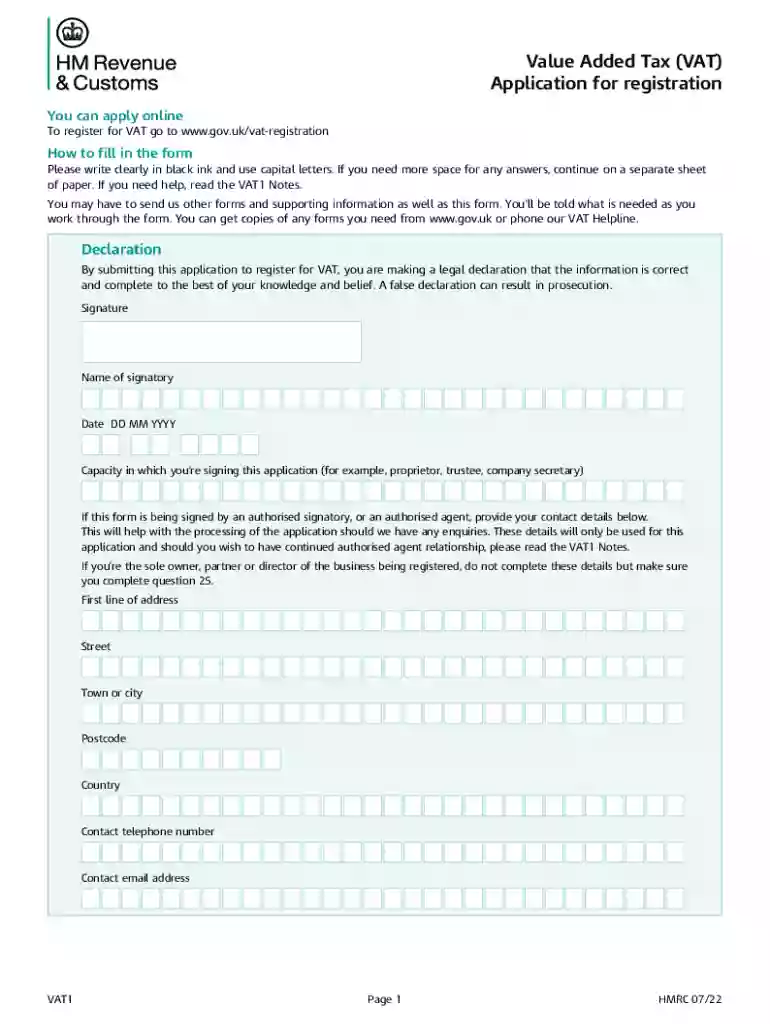
Type text, add images, blackout confidential details, add comments, highlights and more.

Draw your signature, type it, upload its image, or use your mobile device as a signature pad.

Send it via email, link, or fax. You can also download it, export it or print it out.
The VAT registration form on eFiling with the South African Revenue Service is a critical document for businesses operating in South Africa. VAT, or Value Added Tax, is a tax levied on the sale of goods and services. Businesses that exceed a certain turnover threshold must register for VAT to comply with national tax regulations. This form serves as the official application to register for VAT within the electronic filing system managed by the South African Revenue Service (SARS), streamlining the process for businesses to become tax compliant.
The form contains several essential components that applicants must complete accurately. These elements include:
For a successful VAT registration process, prepare the following documents:
The application process begins once the form is submitted on eFiling. SARS typically reviews applications within a few weeks, although this can vary depending on the completeness of the information and the volume of applications being processed. Applicants can track the status through their eFiling account and will receive notification upon approval or if additional information is required.
Registering for VAT is legally required if your business's turn over exceeds the established threshold. Additionally, VAT registration allows businesses to:
Failure to register for VAT when required can result in significant penalties. These may include:
Businesses that typically need to register for VAT encompass a wide range of industries:
The accurate completion and submission of the VAT registration form are essential for legal compliance. Providing false information, either accidentally or intentionally, can result in severe penalties, including financial consequences or legal prosecution. Thus, businesses must ensure that all details are truthful and verifiable before submission.
We've got more versions of the How to register for VAT on eFilingSouth African Revenue ServiceVat Registration Online Application F form. Select the right How to register for VAT on eFilingSouth African Revenue ServiceVat Registration Online Application F version from the list and start editing it straight away!
At DocHub, your data security is our priority. We follow HIPAA, SOC2, GDPR, and other standards, so you can work on your documents with confidence.


