
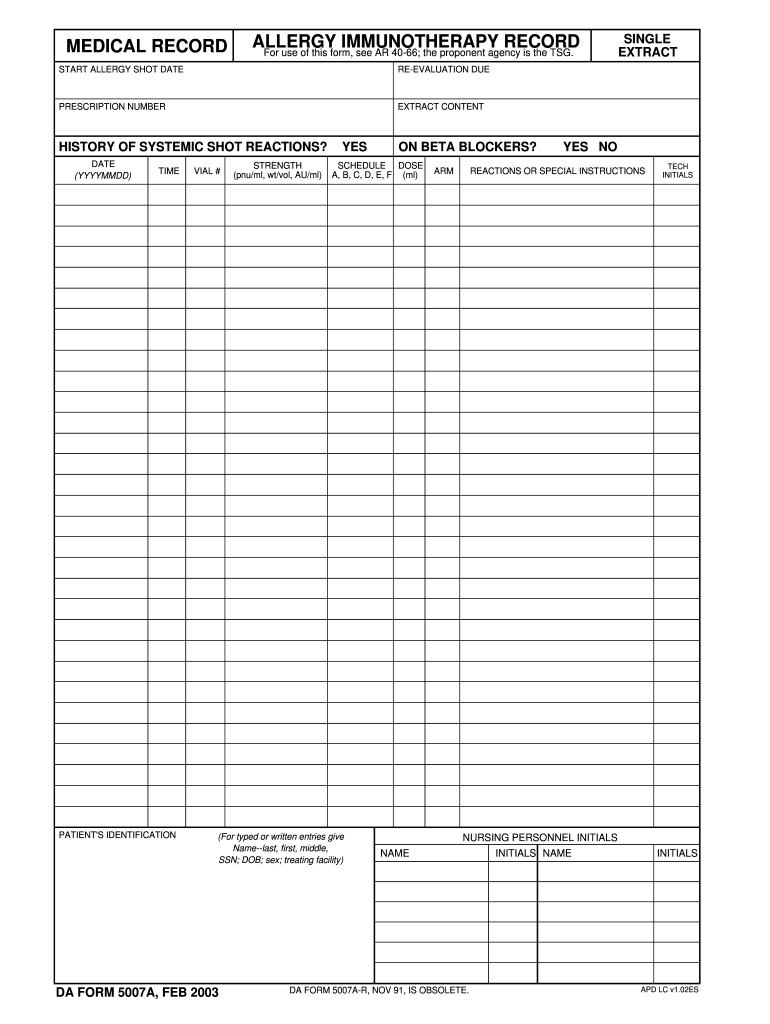







Key Components of an Allergy Injection Template
An allergy injection template serves as an essential tool in managing the administration of allergy immunotherapy. It is structured to provide comprehensive information necessary for both healthcare providers and patients. This section outlines the significant elements included in this type of template.
Patient Identification Details
The first crucial part of the allergy injection template includes patient identification details. This information is vital for ensuring that the correct individual receives the appropriate treatment. Key elements typically include:
- Full Name: Ensures accurate identification and avoids mix-ups.
- Date of Birth: Helps verify age-related considerations for dosages.
- Contact Information: Essential for follow-up and emergency situations.
- Medical Record Number: Unique identifier for patient files, aiding in record keeping.
Allergy Shot Schedule Overview
The allergy shot schedule section outlines the timing and frequency of injections. This component is critical for effective treatment management. Elements to include are:
- Initial Dose Date: The date when treatment begins.
- Subsequent Dose Dates: Schedule for ongoing doses, typically increasing in frequency based on patient tolerance.
- Re-evaluation Dates: Points in time when the patient's progress is assessed.
Dosage Information and Allergy Shot Dosage Chart
Another fundamental section in the template is dosage information, often depicted in an allergy shot dosage chart. This chart provides guidance on how much allergen extract to administer during each session. Essential details include:
- Allergen Extract Concentration: Levels defined for each allergen being treated.
- Dosage Adjustments: Guidelines for dose modifications based on patient responses or side effects.
- Administration Route: Typically subcutaneous, detailing the injection site specifics for healthcare providers.
Patient History of Systemic Reactions
A comprehensive medical history helps in identifying past reactions to allergens, which is critical for safety. This section should include:
- Previous Allergic Reactions: Documentation of any systemic reactions to allergy shots or specific allergens.
- Reaction Severity: Classification of reactions (e.g., mild, moderate, severe) to inform future treatments.
- Timeframes of Reactions: Assistance in recognizing patterns, critical for timing the administration of doses.
Nursing Personnel Initials and Responsibilities
This section is dedicated to ensuring accountability and proper record-keeping by healthcare providers. Key aspects include:
- Initials of Administering Nurse: Verifies who administered the treatment for accountability.
- Date of Administration: Helps maintain accurate records for tracking purposes.
- Comments or Observations: Space for nurses to note any reactions or side effects post-administration.
Guidelines for Completing the Allergy Injection Template
It is essential to provide clear instructions on how to fill out the allergy injection template efficiently. These guidelines may cover:
- Step-by-Step Instructions: Outline the process for filling out each section accurately, advising on necessary documentation.
- Common Errors to Avoid: List frequent mistakes, such as missing signatures or incorrect dosage entries, which could impact treatment.
- Review Process: Suggest a checklist for final review before submission to ensure completeness and accuracy.
Confidentiality and Security Considerations
As with any medical documentation, confidentiality is paramount. This section should outline protocols ensuring patient privacy. Key considerations can include:
- Secure Handling of Forms: Guidelines on how to store and transmit the completed templates securely.
- Patient Confidentiality Laws: Brief mention of HIPAA regulations and how they apply to the handling of allergy injection templates.
- Access Control: Recommendations for limiting who can view or alter the records.
Additional Resources for Allergen Information
For further supporting documents, the template can provide references to additional resources. This can include:
- Patient Education Materials: Guides on what to expect during treatment and how to recognize adverse effects.
- Professional Guidelines: Links to recommendations from reputable allergy associations that dictate best practices in immunotherapy.
- Emergency Contact Protocols: Steps on how to respond in case of an allergic reaction to ensure patient safety.
Conclusion
An allergy injection template is an invaluable asset in the management of allergy immunotherapy. Its structured format aids in delivering precise information while ensuring that patient safety remains a priority. By incorporating aspects such as patient identification, treatment schedules, and thorough documentation, healthcare providers can enhance the efficacy of allergy treatment protocols.




