





Definition & Meaning
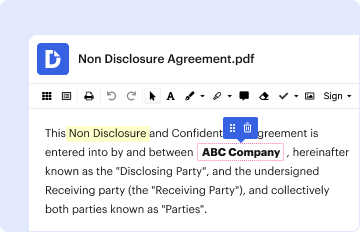
The term "form online" typically refers to electronic versions of traditional paper forms that can be completed, submitted, and processed via the internet. These forms serve various purposes across different sectors, including government, education, healthcare, and business. Form online systems are designed to facilitate ease of access, quick submission, and efficient processing without the need for physical paper exchanges. These digital forms can vary significantly in complexity, from simple contact information forms to comprehensive applications like tax submissions or legal agreements, and often include features like electronic signatures or data validation to ensure accuracy and compliance with regulatory standards.
- Background: The inception of online forms transformed data collection by digitizing processes that were once cumbersome and paper-based.
- Examples: Common examples include applications such as tax filing forms, employment applications, and registration forms for health insurance.
How to Use the Form Online
Using an online form typically involves several straightforward steps, though the process can vary depending on the form's complexity and platform.
- Access: Navigate to the website or platform hosting the online form. This could be directly via a URL provided by the issuing body or through a search function on the related organization's website.
- Filling the Form: Enter data into required fields. Ensure that all necessary information is filled accurately.
- Submission: Once the information is complete, submit the form electronically. Some systems automatically check for missing or incorrect information.
- Confirmation: After submission, users often receive a confirmation via email or on-screen notification. This confirmation may include a summary of submitted information or a reference number for tracking purposes.
Key Features
- Auto-Save: Many online forms offer an auto-save feature, which periodically saves your progress to avoid data loss.
- Data Validation: Ensures that the information entered meets specific requirements (e.g., correct email format).
- Document Upload: Some forms allow users to upload additional documents, like identification or supporting evidence.
Steps to Complete the Form Online
Successfully completing a form online involves multiple critical steps, ensuring that all information entered is accurate and complete before submission.
- Review Instructions: Begin by thoroughly reading any instructions provided to understand requirements and expectations.
- Gather Information: Compile all necessary documents and information required to fill out the form, such as identification numbers, financial data, or health records.
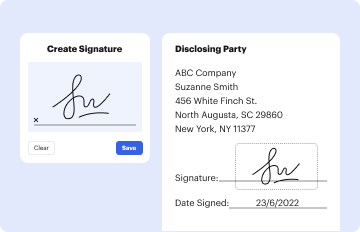
- Digital Signature: If necessary, sign the form using digital signature tools. DocHub supports this by offering several signing options.
- Review and Edit: Carefully review all entered data for accuracy. Make corrections as needed to ensure all information is correct.
- Submit: Follow the form’s specific submission guidelines. Confirmation will typically be provided upon successful submission, serving as proof that your form has been effectively filed.
Tips
- Use Clear Labels: Ensure all sections of the form are clearly labeled to avoid confusion during filling.
- Provide Contextual Help: Some online platforms incorporate tooltips or help text that can guide users in entering the correct information.
Why Should You Form Online
Opting to use forms online provides numerous benefits that streamline administrative tasks and improve overall efficiency.
- Convenience: Forms can be accessed and completed from any internet-enabled device, eliminating the need for in-person visits or mail submissions.
- Speed: Electronic submissions are processed faster than paper forms, often reducing wait times for responses or approvals.
- Accuracy: Built-in data validation reduces errors, ensuring submissions are complete and correctly filled out.
- Environmentally Friendly: Digital forms reduce paper usage, contributing to eco-friendly practices.
- Enhanced Security: Secure platforms protect sensitive information with encryption and additional security measures such as multi-factor authentication.
Key Elements of the Form Online
Online forms typically include several key elements to facilitate data collection and ensure user accuracy.
- User Authentication: Before accessing certain forms, users may need to authenticate themselves. This can include entering a username and password or using OAuth for secure access.
- Interactive Fields: The inclusion of interactive fields, like dropdowns and radio buttons, streamlines the process of entering information.
- Required Fields: Mandatory fields ensure essential data is collected, preventing submission if key information is missing.
- Conditional Logic: Some forms are designed to adapt based on user input, hiding or revealing questions as required.
- Automated Calculations: Forms can include fields that automatically calculate totals or validate data, enhancing accuracy.
Examples of Using the Form Online
The utilization of online forms spans various sectors, providing practical solutions to everyday administrative challenges.
- Education: Students commonly use online forms for course registration, tuition payments, and applying for financial aid.
- Healthcare: Patients can complete pre-visit questionnaires or insurance forms from home, streamlining the check-in process.
- Government Services: Many tax forms, such as the W-9, can be submitted online, simplifying compliance with regulatory requirements.
- Human Resources: Organizations often use online forms for employee onboarding, capturing essential information needed for benefits and payroll.
Real-World Scenario
- Business Travel Approvals: An employee can use a digital request form to initiate a travel approval process, which then routes automatically to the appropriate supervisors for review and authorization.
Software Compatibility (TurboTax, QuickBooks, etc.)
Ensuring software compatibility is crucial when working with specialized online forms, particularly in fields like accounting and tax preparation.
- Integrated Platforms: Many software solutions, such as TurboTax and QuickBooks, offer integrated support for compatible forms, streamlining the data entry process from form completion to final submission.
- Document Import/Export: Users can often import existing documents or forms directly into compatible software solutions, reducing redundancy and maintaining data integrity.
- Real-Time Updates: When software is integrated with online forms, changes made in one system can automatically reflect in another, minimizing errors and enhancing productivity.
Legal Use of the Form Online
Legal compliance is integral when utilizing online forms, especially those involving sensitive data or formal agreements.
- ESIGN Act Compliance: Online platforms like DocHub ensure electronic signatures are legally binding under the ESIGN Act, providing assurance for users.
- Data Protection: Encryption and strict access controls ensure that sensitive information is protected in accordance with data protection laws.
- Audit Trails: Providing a record of who accessed a document and when it ensures transparency and accountability, which is essential for legal disputes.
Considerations
- Jurisdictional Differences: Be aware of specific legal requirements that may vary by state, ensuring compliance with local regulations.