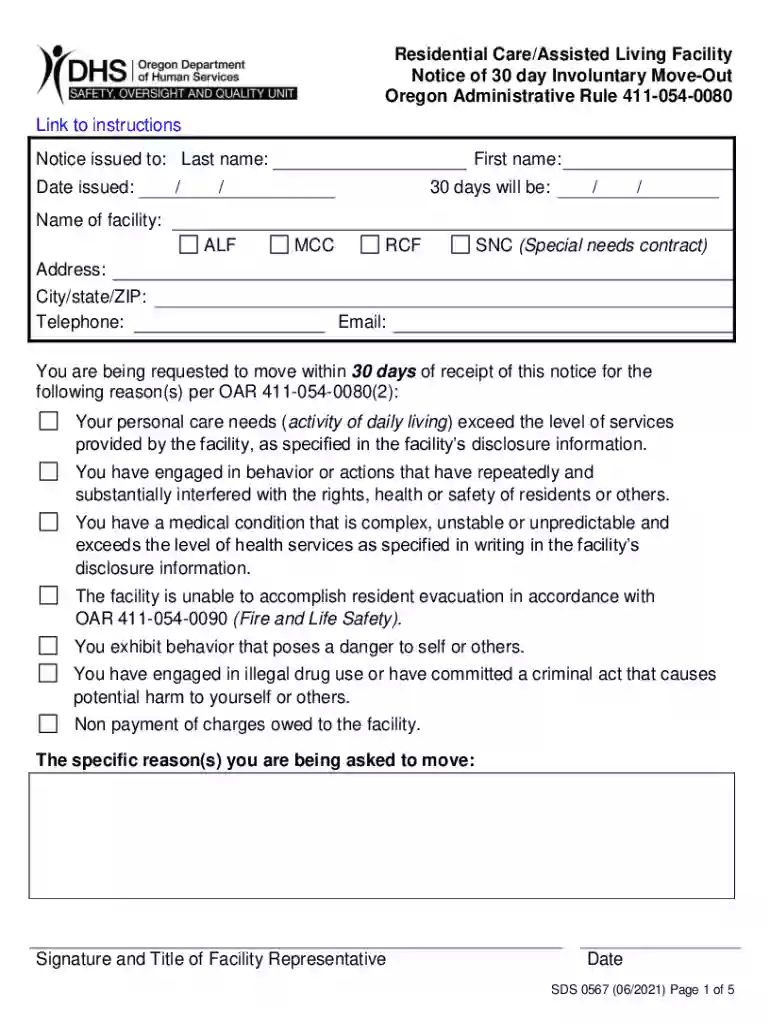
Definition and Meaning
The "Page 1 of 124 DEPARTMENT OF HUMAN SERVICES AGING" document is typically part of a comprehensive set of forms and information provided by the Department of Human Services (DHS) in the United States. This document often serves as an informational guide, focusing on services and regulations related to aging and elderly care. It could outline policies, provide instructions for applying for services, or detail rights and responsibilities for individuals needing care and their families. Understanding the contents of this document is crucial for compliance and efficiency in accessing DHS services.
Key Elements of the Document
Overview of Contents
- Eligibility Criteria: Defines who qualifies for specific aging services or benefits, including age, residency, and financial criteria.
- Application Procedures: Outlines the step-by-step process required to apply for services, ensuring applicants understand what information they need to provide.
- Service Descriptions: Details the various types of services available, such as home care assistance, nutritional support, and transportation services, to cater to the different needs of elderly individuals.
Important Terms
- Involuntary Move-Out: Describes the conditions under which a resident might be required to leave a facility, such as safety concerns or non-payment issues.
- Administrative Hearing: Refers to the process by which individuals can appeal decisions made by DHS if they disagree with any actions or rulings pertaining to their care.
Steps to Follow
- Identify Requirements: Before initiating any process, determine what specific services you are eligible for by reviewing the eligibility criteria section.
- Gather Necessary Documents: Prepare all documentation required for submission, which may include proof of income, age verification, and residency status.
- Complete Form Sections: Fill out each section of the form accurately, following the instructions provided to avoid any delays or rejections.
Navigating the Document
- Start with the Table of Contents: Use it to quickly locate sections relevant to your needs.
- Utilize the Glossary: Familiarize yourself with any unfamiliar terms to ensure clear understanding and compliance with specified requirements.
Steps to Complete the Document
Detailed Procedures
- Review All Instructions: Begin by thoroughly reading all instructions provided on the first few pages to ensure complete compliance.
- Section Completion: Carefully fill out each required section, confirming the accuracy of all entered information.
- Attach Supplementary Materials: Include any additional documents requested, ensuring they are organized and legible.
- Final Review and Submission: Double-check all information for errors, sign where necessary, and then submit the form through the designated method, whether online, mail, or in-person.
Important Terms Related to the Document
Definitions for Clarity
- Service Plan: A tailored guide for individuals receiving care, outlining specific services to be provided based on individual needs.
- Income Threshold: The set financial limits determining eligibility for financial assistance or subsidized services.
Legal Use of the Document
Compliance and Regulations
- Rights Protection: The document ensures that the rights of elderly individuals are protected within residential care settings.
- Legal Recourse: Provides pathways for legal recourse if individuals feel their rights have been violated or services are unjustly denied.
Ensuring Validity
Following the legal guidelines laid out in the document ensures that all applications and services rendered are compliant with federal and state laws.
State-Specific Rules and Examples
Variations by Jurisdiction
- Oregon-Specific Guidelines: Some provisions might be tailored for residents in Oregon, addressing unique state-specific aging policies.
- Case Scenarios: Examples showing how residents in different states might experience variations in service delivery or application requirements.
Practical Examples
- Resident Discharge Process: Real-world scenarios in which a resident might receive an involuntary move-out notice and the subsequent steps they can take.
- Appeals and Hearings: Illustrations of how the appeals process may unfold, including potential outcomes.
Who Typically Uses This Document
Target Audience
- Care Facility Administrators: For understanding regulations and aligning services with DHS standards.
- Elderly Individuals and Families: To make informed decisions about care options and understand their rights and obligations under DHS provisions.
Beneficiaries
- Healthcare Providers: Use the document to coordinate services for clients, ensuring full compliance with DHS rules and maximizing the care provided.
By addressing the "Page 1 of 124 DEPARTMENT OF HUMAN SERVICES AGING" comprehensively, users can enhance their understanding of DHS services, ensuring that they and their loved ones receive the necessary support and care.