





Definition & Meaning
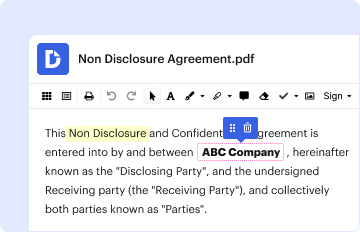
The term "form online" refers to any digital document designed for data entry, typically accessible via a website or online platform. In the context of DocHub, a "form online" is an interactive digital document that users can fill out and submit directly from their web browsers. This modern approach eliminates the need for physical paperwork, streamlining the process for various applications, from tax filings to business registrations.
Forms online often support various file formats like PDF, DOC, and XLS, making them versatile tools for capturing information. They cater to different fields, including legal, financial, and business sectors, allowing seamless data collection and processing.
How to Use the Form Online
Using a form online involves several straightforward steps. First, access the document via a browser on your computer or mobile device. Platforms like DocHub enable you to open, edit, and save changes to the form without requiring additional software.
- Access: Log into DocHub and choose the form you need from your saved files or import it from cloud storage services.
- Edit: Use the platform's editing tools to fill out the necessary fields. These tools typically include text input, dropdowns, checkboxes, and signature fields.
- Review: Verify all entered information for accuracy before submitting it.
- Submit: Depending on the form's purpose, you can either save it or send it directly to a designated recipient through email or other specified submission methods.
Steps to Complete the Form Online
Completing a form online is a guided process that ensures every required field receives the needed input. Here's a step-by-step procedure:
- Login to Platform: Start by logging into your DocHub account.
- Select Form: Locate and open the specific form needed from your dashboard.
- Fill Details: Input data into text boxes, select options from dropdown menus, and check applicable boxes.
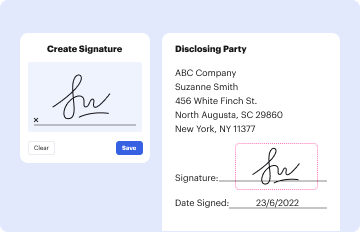
- Sign the Form: Create your electronic signature by drawing, typing, or uploading an image.
- Review & Edit: Double-check entries for any errors or omissions.
- Submit or Save: Choose to either export the completed form for printing or send it directly to its next destination via the platform's options.
Why Should You Form Online
Filling out forms online provides several advantages over traditional paper forms. Primarily, it offers convenience and speed, as users can complete and submit documents from anywhere with internet access. Additionally, the process supports instant updates and changes without the hassle of reprinting physical copies.
- Efficiency: Saves time with quick data input and ready-to-use templates.
- Accessibility: Users can access and submit forms from any location using internet-enabled devices.
- Sustainability: Reduces paper waste and the need for physical storage.
- Security: Online forms in DocHub come with encryption and password protection, ensuring document confidentiality.
Key Elements of the Form Online
When dealing with forms online, understanding their key elements is crucial for effective utilization:
- Form Fields: Areas like text boxes, checkboxes, and dropdown menus designed for specific data entry.
- Mandatory Sections: Fields that must be completed before submission, often marked with an asterisk.
- Signature Areas: Designated spaces for legally binding electronic signatures.
- Instructions: Guidance on filling out the form correctly, often found at the start or throughout the document.
- Submission Guidelines: Information on how to submit the completed form, including any deadlines or necessary attachments.
Legal Use of the Form Online
Forms online, particularly those dealing with contractual or official matters, need to comply with legal standards. In the United States, electronic documents and signatures are governed by the ESIGN Act, ensuring their enforceability in federal courts.
- Signatures: E-signatures on DocHub are ESIGN compliant, making them valid for legal transactions.
- Confidentiality: Use encryption to protect sensitive information within the forms.
- Compliance: Adhere to specific industry regulations, such as HIPAA for healthcare-related forms.
Examples of Using the Form Online
The practical applications for forms online are numerous. For instance, businesses can utilize them for employee onboarding, capturing signatures and information without in-person meetings. Similarly, tax forms are often completed online, allowing taxpayers to enter data and submit directly to the IRS or a tax professional.
In education, online forms can streamline student registration processes, collecting necessary demographic and enrollment data efficiently. Real estate transactions, too, have embraced digital forms for contract signings and property listings.
Software Compatibility
DocHub's online forms boast compatibility with various software systems, enhancing their accessibility and utility:
- Google Workspace: Integrate seamlessly, allowing users to edit forms directly from Google Drive or Gmail.
- QuickBooks & TurboTax: Export completed forms into formats compatible with accounting software for easy financial tracking.
- Cloud Services: Connect with Dropbox, OneDrive, and other storage solutions for a streamlined document management experience.
State-by-State Differences
When dealing with forms online, especially for legal or governmental purposes, it's crucial to be aware of state-specific regulations and requirements:
- Taxes: Tax forms may vary in details and submission guidelines depending on state laws.
- Business Registrations: States may have different forms and procedures for business license applications.
- Education & Health: Health forms for newly enrolled students or patient intake vary by state, reflecting local regulations and compliance needs.