





Definition and Meaning of Form Online
Understanding the concept of "form online" is essential in grasping its significance in modern document management. At its core, the term refers to any digital document that can be filled out, submitted, or processed via the internet. Unlike traditional paper forms, forms online offer the convenience of being accessible from any internet-enabled device. This means that users can complete necessary documentation without the physical presence typically required for handling paper forms. The use of online forms simplifies data collection, reduces the need for physical storage space, and enhances the speed and accuracy of processing information.
How to Use the Form Online
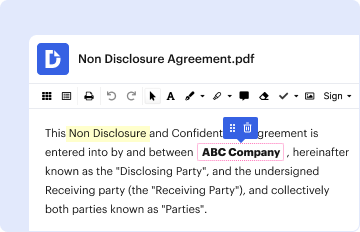
Using a form online involves a series of straightforward steps that streamline the traditional form-filling process. Begin by accessing the specific form you need, which can often be found on the relevant organization's website or platform like DocHub. Once the form is open, identify the sections you need to complete. Online forms typically include various input fields, such as text boxes, checkboxes, dropdown menus, and date selectors, allowing for diverse data input. After filling in the required information, review your entries to ensure there are no errors or omissions. Many platforms allow you to save your progress, enabling you to return and complete the form at a later time. Once you're satisfied with the accuracy of your entries, submit the form electronically by following the submission instructions provided on the platform.
Steps to Complete the Form Online
- Access the Form: Navigate to the website or platform, like DocHub, offering the form you need.
- Review Requirements: Familiarize yourself with the requirements and instructions associated with the form.
- Enter Information: Fill out the relevant fields with accurate information, ensuring no section is left incomplete if required.
- Attach Documents: Upload any necessary supporting documents if the form specifies this requirement.
- Verify Entries: Carefully review all entered data to ensure accuracy and completeness.
- Submit the Form: Follow on-screen instructions to submit the form, usually via a 'submit' button or equivalent.
- Receipt Confirmation: Look for on-screen confirmation or email notification indicating successful form submission.
Benefits of Using Forms Online
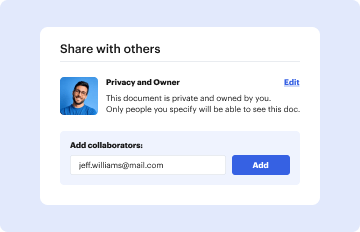
Utilizing forms online offers numerous advantages over traditional paper forms. The efficiency of online forms is unparalleled—users can quickly fill and submit forms from virtually any location with internet access. This eliminates the delays associated with mailing paper forms and reduces the likelihood of errors due to typographical mistakes. Digital forms can be easily stored, accessed, and retrieved, contributing to the eco-friendly reduction of paper use. Moreover, platforms like DocHub ensure that data collected via online forms is securely encrypted, maintaining user privacy and protecting sensitive information.
Key Elements of the Form Online
Online forms contain several key elements designed to facilitate efficient and accurate data collection. Common features include:
- Text Fields: For entering names, addresses, and other textual data.
- Checkboxes: For selecting one or more options from a list.
- Dropdown Menus: For choosing a single option from a predefined list.
- Date Pickers: For accurately selecting dates.
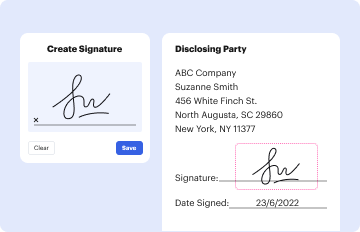
- Signature Fields: For digital signing when necessary, ensuring forms are legally binding.
Legal Use of Forms Online
Forms online can have significant legal implications and thus must adhere to recognized standards. In the U.S., electronic signatures on forms online are legally recognized under the ESIGN Act, provided they meet specified criteria for validity and authenticity. This allows users to legally sign documents electronically, increasing convenience without compromising legality. However, it's essential to ensure the form platform complies with legal standards for data protection and user authentication to maintain the form's enforceability and confidentiality.
Examples of Using Forms Online
Forms online are employed across various sectors for different purposes. For instance, employees use online forms for timesheets or leave applications, while students submit enrollment or scholarship forms digitally. Businesses frequently utilize forms online for client onboarding, feedback collection, and electronic invoicing. In the legal field, forms online facilitate virtual consent forms and contracts, streamlining processes that once required physical presence and paper documentation.
Digital vs. Paper Version
The digital version of a form online boasts several advantages over its paper counterpart. Primarily, digital forms offer enhanced accessibility, allowing users to complete forms remotely. Additionally, they support instant data validation, reducing submission errors. In contrast, paper forms require physical handling, are prone to human errors during data entry, and can be lost or damaged over time. By transforming forms into digital versions, organizations contribute to sustainability efforts and improve overall efficiency and accuracy in data handling.
By transforming traditional processes, forms online powerfully revolutionize how individuals and organizations handle documentation, offering a blend of convenience, security, and environmental sustainability.