
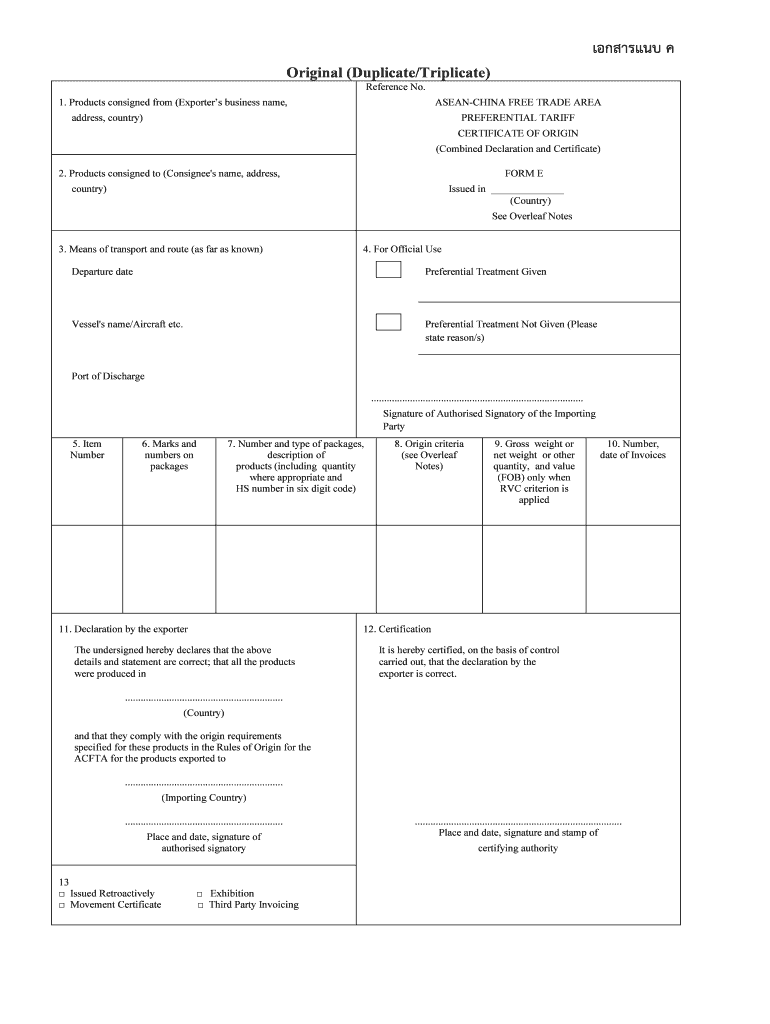







Definition and Meaning of a Shipping Bill
A shipping bill is a critical document in international trade, serving as a detailed account of goods being exported. It is primarily used by customs authorities to facilitate the legal and regulatory process of exporting goods. This document outlines the specifics of the shipment, such as the description of goods, quantity, destination, and value. A shipping bill acts as a declaration by the exporter that the information provided is accurate and that all legal obligations have been fulfilled. Its issuance is typically mandatory for customs clearance and plays a pivotal role in the documentation required for export activities.
Key Elements of a Shipping Bill
Several essential elements are included in a shipping bill to ensure comprehensive coverage of shipment details:
- Exporter and consignee information: This includes names, addresses, and contact details of the parties involved in the transaction.
- Description of goods: Detailed descriptions of items being exported, including their classification codes.
- Quantity and Weight: Accurate measurement of the goods in terms of both quantity and weight.
- Value of goods: The declared market value of the shipment for determining duties and taxes.
- Origin and destination: Port of origin and port of destination information.
- Customs office details: Identification of the customs office responsible for processing the export clearance.
Steps to Complete the Shipping Bill
Completing a shipping bill involves several steps that exporters must carefully follow:
- Collection of documentation: Gather all relevant documents, including invoices, packing lists, and purchase orders.
- Form completion: Accurately fill out the shipping bill form, ensuring all required fields are completed.
- Submission to customs: Submit the completed form to the appropriate customs authorities for approval.
- Payment of duties and taxes: Pay any associated customs duties and taxes required for the shipment.
- Verification and approval: Allow customs officials to verify the details provided before granting clearance.
- Receive customs clearance: Upon approval, receive customs clearance, enabling the shipment to proceed.
Who Typically Uses a Shipping Bill
Shipping bills are primarily used by:
- Exporters: Companies and individuals involved in the export of goods require these documents for legal compliance.
- Customs authorities: To verify and approve shipments leaving the country.
- Freight forwarders and shipping agents: To ensure seamless logistics and transportation of goods.
- Financial institutions: For processing transactions and offering trade finance services based on export documentation.
Importance of the Shipping Bill in Trade
The shipping bill plays a crucial role in international trade by:
- Ensuring legal compliance with customs regulations.
- Facilitating the calculation and payment of export-related duties and taxes.
- Serving as a vital document for availing export incentives and benefits.
- Acting as proof of export for finalizing financial transactions and accounting purposes.
- Helping in the tracking and management of shipments during transit.
Collecting and Submitting Required Documents
Submission of a shipping bill requires various supporting documents, including:
- Commercial invoice: Detailing the transaction between the exporter and importer.
- Packing list: Specifying how goods are packed and labeled.
- Relevant certifications: Such as product quality or origin certificates.
- Insurance documents: Proof of coverage for goods during transit.
Digital vs. Paper Version of a Shipping Bill
Shipping bills can be processed in both digital and paper formats, with digital versions offering distinct advantages:
- Efficiency: Faster processing times and immediate issue once submitted electronically.
- Accuracy: Digital submissions reduce errors associated with manual data entry.
- Environmentally friendly: Minimizes paper usage and promotes sustainable practices.
State-Specific Rules for the Shipping Bill
While the core elements of a shipping bill are standardized, there may be state-specific regulations related to:
- Additional documentation: Certain states may require extra forms or attestations.
- Processing fees: Variations in the fees associated with processing and approval.
- Authorized personnel: Different states might have unique requirements for who can authorize shipments.
Understanding these state-specific nuances is crucial for ensuring compliance and avoiding delays in the export process.




