





Key Elements of the Bus Ticket Format
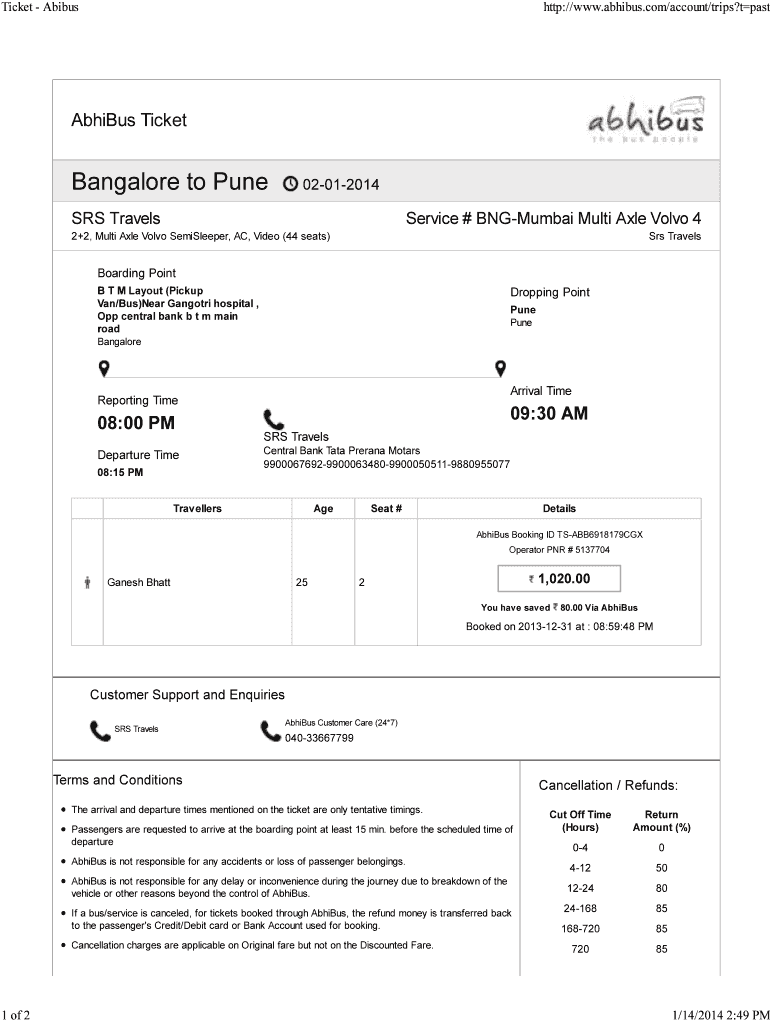
A bus ticket format typically includes several critical pieces of information that are essential for both the passenger and the bus service provider. Understanding these elements can help streamline the ticketing process and ensure that the journey proceeds smoothly.
-
Passenger Information: Includes the name of the traveler, contact information, and identification details to confirm the booking and communicate any necessary updates.
-
Journey Details: Specifies the departure and arrival points, date, and time of travel. This information is crucial for coordination and planning, especially if multiple transport methods are involved.
-
Bus Operator Details: Lists the name of the bus company, such as SRS Travels, along with contact information for customer service. This ensures passengers have access to support if issues arise.
-
Booking ID: A unique identification number that helps track and manage each reservation within the bus company's system.
-
Price and Payment Information: Details the cost of the ticket and payment status to prevent discrepancies during boarding.
-
Boarding and Dropping Points: Specifies the exact locations where passengers are expected to board and disembark, making it easier to plan transfers and further travel.
-
Terms and Conditions: Outlines the rules and policies regarding cancellations, refunds, and the responsibilities of both the operator and the passenger. Familiarity with these terms can prevent misunderstandings.
How to Use the Bus Ticket Format
Using the bus ticket format effectively ensures a hassle-free travel experience. Here's how you can make the most out of your ticket format:
-
Review All Details: Upon receiving your ticket, check all personal and journey details for accuracy. Any errors should be reported immediately to the ticket issuer for correction.
-
Plan Your Route: Use the boarding and dropping points to plan the rest of your travel itinerary. This can include arranging transport to the bus station or ensuring someone can pick you up at your destination.
-
Keep the Ticket Handy: Have either a digital or printed version of your ticket accessible during travel. This is important for boarding and addressing any discrepancies that may arise during your journey.
-
Adhere to Terms: Be aware of the stated terms and conditions, especially around luggage, refunds, or changes to the itinerary, so you're prepared for any situation that may require such knowledge.
Steps to Complete the Bus Ticket Format
Completing a bus ticket format accurately is essential for securing your seat and ensuring a smooth process. Here's a step-by-step guide:
-
Select Date and Route: Choose your desired travel date and route on the bus operator's booking platform, ensuring that they align with your schedule.
-
Enter Personal Details: Provide accurate personal information, including your name, contact number, and any identification required.
-
Review and Confirm: Check all inputs for accuracy, especially your journey details and contact information.
-
Payment: Complete the payment process using the available options, ensuring the total matches your expectations, and note any confirmation numbers provided.
-
Receive and Save the Ticket: Ensure you receive a confirmation (digital or physical version) of your ticket and save it in an easily accessible location for future reference.
-
Follow Up for Any Changes: If there are changes in your plan or errors on the ticket, immediately contact the customer support of the bus service for amendments.
Why Should You Understand the Bus Ticket Format
Understanding the bus ticket format is beneficial for various reasons:
-
Efficiency: Familiarity with the format ensures that the ticket booking and travel process is quick and without errors, reducing stress.
-
Problem Resolution: If issues arise during the journey, knowing where to find pertinent information on the ticket helps resolve them swiftly.
-
Regulatory Compliance: Being aware of terms connected to cancellations or changes in travel plans can help passengers adhere to policies, thereby avoiding penalties.
-
Peace of Mind: Knowing what your ticket entails allows for confident travel, safe in the knowledge that everything is in order.
Legal Use of the Bus Ticket Format
Bus tickets aren't only for logistics; they have legal implications ensuring passenger rights and company obligations are upheld:
-
Proof of Contract: The ticket acts as evidence of a contract between the passenger and the bus company, outlining services expected.
-
Terms of Use: Legal conditions within the terms and conditions section hold validity in disputes and claims, safeguarding interests of both parties.
-
Refund and Cancellation Policies: Clearly defined on tickets, these policies ensure transparency and fairness, safeguarding consumer rights in accordance with local laws.
Examples of Using the Bus Ticket Format
Applying the bus ticket format effectively can vary depending on the situation:
-
Business Travel: A professional might book tickets with premium seats or additional amenities for a more comfortable journey, focusing on crucial details like Wi-Fi availability and seat selection.
-
Tourist Groups: Tourist operators often utilize detailed bus ticket formats to manage group travel, arranging mass bookings and synchronizing departure and arrival times with tour itineraries.
-
Daily Commuters: Regular commuters might use subscription-based ticket formats to ensure repeated seat assignments on specific routes, streamlining their daily travels.
Digital vs. Paper Version
Both digital and paper versions of bus tickets have far-reaching benefits:
-
Digital Tickets: Conveniently stored and accessed on smartphones, reducing the risk of loss and providing ease of updates or changes.
-
Paper Tickets: Necessary for regions without digital infrastructure or where digital access might be limited, providing a tangible fallback.
Understanding these distinctions enables passengers to choose the most practical option for their circumstances.
Software Compatibility
In today's digital age, compatibility with various software platforms enhances the utility of bus ticket formats:
-
Integration with Booking Apps: Booking platforms can seamlessly interact with ticket formats, auto-populating information fields during reservations.
-
Cloud Storage Services: Digital tickets can be stored or shared via platforms like Google Drive, Dropbox, ensuring the ticket remains easily accessible and shareable.
By leveraging appropriate software and tools, users can enhance the overall travel experience and manage their documents more efficiently.