Mckinney vento gas voucher form 2026

Get Form
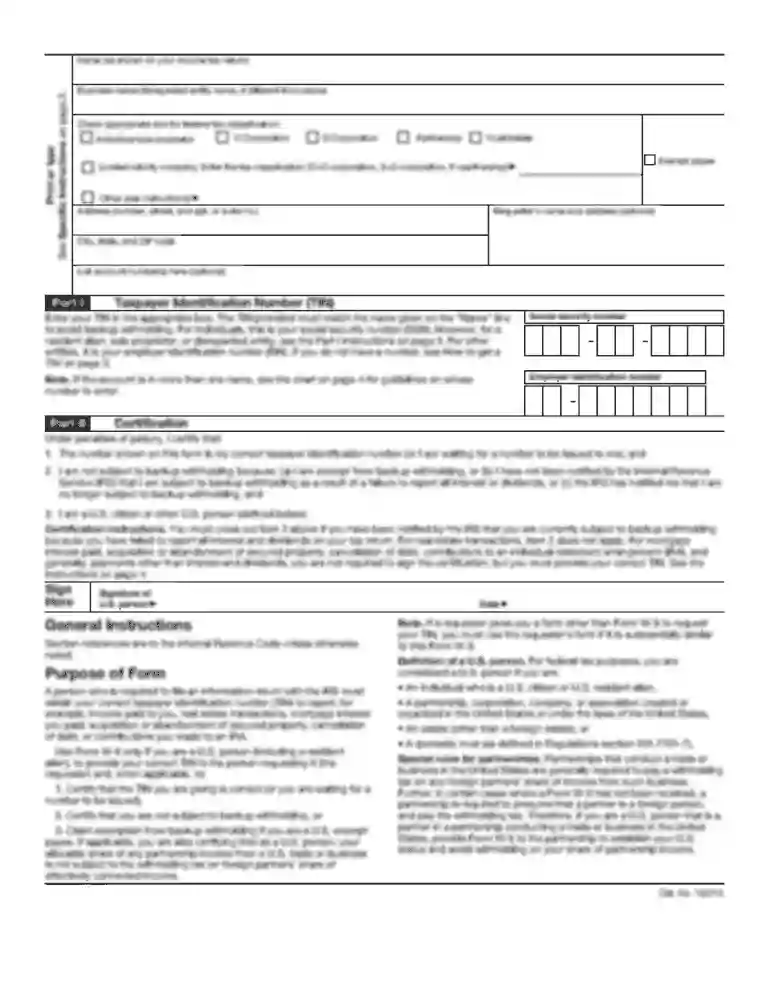
mckinney vento gas voucher form Preview on Page 1

Here's how it works

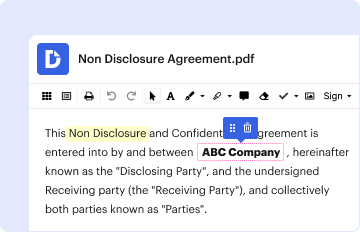
01. Edit your form online
Type text, add images, blackout confidential details, add comments, highlights and more.

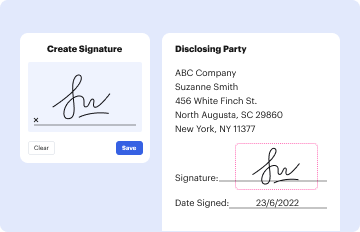
02. Sign it in a few clicks
Draw your signature, type it, upload its image, or use your mobile device as a signature pad.

03. Share your form with others
Send it via email, link, or fax. You can also download it, export it or print it out.

Definition and Purpose of the McKinney-Vento Gas Voucher Form

The McKinney-Vento Gas Voucher Form is specifically designed to provide transportation assistance for students experiencing homelessness. This form facilitates the allocation of gas vouchers or cards under the McKinney-Vento Homeless Assistance Act, which aims to remove barriers to education for homeless children and youths. It is a critical resource for families, enabling them to transport their children to school and essential school-related activities without the financial burden of transportation costs.

Key Elements of the Form

  • Applicant Information: Includes details such as name, address, and contact information of the applicant.
  • Student Details: Information about the student(s) benefiting from the vouchers, including name, age, school, and grade.
  • Usage Acknowledgment: Parents or guardians must acknowledge the intended use of vouchers exclusively for school-related transportation.
  • Authorization and Signature: The form requires a signature from a parent or guardian, certifying the information provided is accurate and acknowledging the conditions.

Steps to Complete the McKinney-Vento Gas Voucher Form

  1. Gather Required Information: Start by collecting all necessary details related to the student and the family’s current living situation.
  2. Fill Out Applicant and Student Sections: Enter the parent or guardian information along with each student's pertinent details.
  3. Provide Consent and Acknowledgement: Carefully read the terms of use for the gas vouchers and check the boxes indicating agreement.
  4. Sign and Date the Form: Ensure a parent or guardian signs the form where indicated and includes the date of completion.

Examples of Completed Forms

A completed form typically includes a parent’s signature and a verified student section that confirms enrollment in a specific school and grade. Additionally, a correctly filled consent section showing understanding of voucher use is crucial.

How to Obtain the McKinney-Vento Gas Voucher Form

Methods of Acquisition

  • School District Office: Often available through the school district's Family Resource Centers or Homeless Liaison Offices.
  • Online: Many districts provide digital forms that can be downloaded from their official websites.
  • In-Person Pick-Up: Forms can be acquired in person from the school district's administrative offices.

State-by-State Differences

Some states may have additional requirements or slightly different forms based on state-specific legislation related to the McKinney-Vento Act. It is important to verify with the local school district for specific guidelines applicable in your state.


Eligibility Criteria for the McKinney-Vento Gas Voucher Form

decoration image ratings of Dochub

Basic Eligibility Requirements

  • Homeless Status Confirmation: The student must meet the McKinney-Vento definition of homelessness, such as living in shelters, motels, or temporary accommodations.
  • School Enrollment: Eligibility often requires that the student is enrolled in a school under the jurisdiction of the district offering the vouchers.

Additional Considerations

  • Family Income: While not always required, some districts may consider family income to prioritize assistance.
  • Documentation: Proof of residency or enrollment may be necessary, depending on the jurisdiction's policies.

Who Typically Uses the McKinney-Vento Gas Voucher Form

decoration image

Primary Users

  • Parents and Guardians: Families experiencing temporary or transitionary housing situations are typical applicants.
  • Homeless Liaison Officers: School district officials responsible for identifying and supporting homeless students play a critical role in facilitating form completion.

Related Programs and Resources

  • School Transportation Services: Some districts might offer additional transportation solutions in tandem with the voucher program.
  • Community Assistance Programs: Families may also be eligible for broader community resources dedicated to assisting homeless individuals.

Legal Use and Compliance

Adhering to the McKinney-Vento Act

All uses of the gas voucher form must comply with the McKinney-Vento Homeless Assistance Act, ensuring that funds are solely allocated for the intended educational transportation purposes. Misuse of vouchers for non-school-related transit can lead to revocation of benefits.

Compliance Monitoring

School districts may conduct occasional audits to ensure vouchers are used in alignment with federal and state regulations. Parents and guardians are encouraged to maintain records of voucher use to ensure compliance.

Form Submission Methods

Available Options

  • Online Submission: Some districts offer e-filing options through their websites, providing a streamlined digital process.
  • Mail: Hard copies can typically be mailed to the specific office handling McKinney-Vento resources.
  • In-Person: Direct drop-off is also available at designated district locations, providing immediate confirmation of receipt.

Software Compatibility

For those completing digital forms, platforms like DocHub offer solutions for filling out and managing forms efficiently in various formats such as PDF, DOC, and more, enhancing accessibility for all users.

be ready to get more

Complete this form in 5 minutes or less

Get form

Got questions?

We have answers to the most popular questions from our customers. If you can't find an answer to your question, please contact us.
Contact us
A: The McKinney-Vento Act applies to children and youth age 21 and under, consistent with their eligibility for public education services under state and federal law. State laws vary, but generally provide access to all students until high school graduation or equivalent, or until age 18 (or over in some states).
4 Additionally, Section 11433(d)of the McKinney-Vento Act authorizes McKinney-Vento subgrant funds to be used to provide food to attract, engage, and retain children and youth who are homeless in public school programs and services, as well as on an emergency basis to enable them to attend school.
Does the McKinney-Vento Act permit a blanket mileage limit for school of origin transportation? No it does not. The McKinney-Vento Act requires LEAs to provide transportation to the school of origin at the request of a parent or guardian or, for unaccompanied youth, at the McKinney-Vento liaisons request.
Transportation services must rest on the individualized and student-centered best interest determinations, not on blanket mileage limits. 42 USC 11432(g)(3)(A). Applying local policies that establish blanket limits on transportation to students experiencing homelessness would violate the McKinney-Vento Act.
The McKinney-Vento Act defines homeless children and youths as individuals who lack a fixed, regular, and adequate nighttime residence. Lacking any one of these three conditions would make a child eligible. In other words, if the residence is not fixed, regular, and adequate, it is considered a homeless situation.

Security and compliance

At DocHub, your data security is our priority. We follow HIPAA, SOC2, GDPR, and other standards, so you can work on your documents with confidence.

Learn more
ccpa2
pci-dss
gdpr-compliance
hipaa
soc-compliance

People also ask

If the family has (or had) a fixed, regular, and adequate nighttime residence, then they are not living in the housing program due to lack of alternative accommodations and would not qualify for McKinney-Vento services.
In addition, the Act authorizes the use of funds for: The provision for homeless children and youths of before- and after-school, mentoring, and summer programs in which a teacher or other qualified individual provides tutoring, homework assistance, and supervision of educational activities. 42 USC 11433(d)(8).

Related links