





Definition and Meaning of "Form Online"
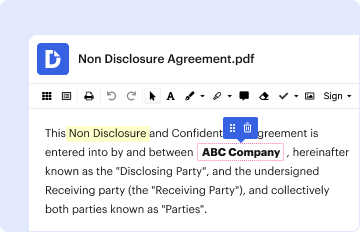
The term "form online" refers to a digital version of a document or questionnaire that can be filled out, submitted, and processed over the internet. This form of digital documentation is designed to increase efficiency, allowing users to complete tasks such as applications, surveys, and registrations without the need for paper copies. Utilizing online forms streamlines processes by reducing the need for manual data entry, thus minimizing errors and saving time.
How to Use the Form Online
Navigating an online form typically involves a few straightforward steps:
- Access the form via a web browser by following a provided link or through an organization's website.
- Enter required information into specified fields, which might include text boxes, dropdown menus, or checkboxes.
- Review entered data for accuracy before submitting the form.
- Submit the form by clicking the appropriate button, often labeled as "Submit" or "Send."
Practical utilization may vary depending on the form's purpose. For example, job applications might require more detailed response fields compared to a simple newsletter sign-up form.
Steps to Complete the Form Online
When completing an online form, the following sequence is typically observed:
- Locate the Form: Use a search function or URL to find the appropriate form.
- Read Instructions: Carefully review any instructions provided to ensure compliance with form requirements.
- Input Data: Carefully enter data into each field. Ensure all mandatory fields are filled to avoid submission errors.
- Attach Documents: If required, attach any necessary supporting documentation by uploading files directly from your device or cloud storage.
- Review: Double-check all entries for accuracy and completeness.
- Submit: Use the form's submission feature to send your completed form to the intended recipient.
Why Should You Form Online
Adopting online forms offers several advantages:
- Convenience: Forms can be accessed and completed from anywhere with an internet connection.
- Efficiency: Reduced processing time compared to traditional paper forms.
- Accuracy: Electronic forms often include validation measures to prevent errors.
- Environmentally Friendly: Decreases the reliance on paper, contributing to environmental sustainability.
Legal Use of the Form Online
The legal legitimacy of online forms is generally recognized when they meet certain conditions:
- Compliance: Forms must comply with relevant legal and regulatory requirements, such as the ESIGN Act in the United States, which gives electronic signatures and records the same legal standing as their paper counterparts.
- Security: Online forms need to be hosted on secure platforms, employing encryption methods like SSL to protect user data.
- Authentication: Some forms require identity verification, ensuring the data is submitted by authorized individuals.
Key Elements of the Form Online
There are several critical components to consider when examining online forms:
- Form Fields: These are the input areas where users provide information. Fields can include text boxes, radio buttons, and dropdown menus.
- Mandatory Sections: Sections of the form, often marked with an asterisk, that must be completed before submission.
- Instructions and Guidelines: Integrated within the form, these provide guidance on how to properly complete the document.
- Submit Functionality: Usually presented as a button, this function finalizes the process by sending the data to the recipient.
- Confirmation: Upon submission, users often receive a confirmation message or email acknowledging receipt.
Important Terms Related to "Form Online"
Understanding online form terminology can enhance user experience:
- Captcha: A security feature used to verify that a form is being filled out by a human rather than an automated system.
- Field Validation: Checks that ensure the information entered is in the correct format.
- Auto-save: A feature that saves progress, preventing data loss in case of a session timeout or accidental page closure.
Software Compatibility
Online forms integrate seamlessly with various software solutions to enhance functionality:
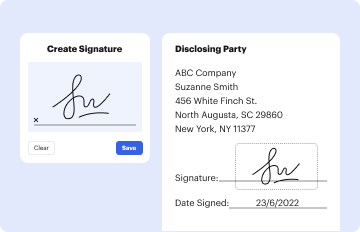
- Document Management Systems: These solutions, such as DocHub, allow users to edit, sign, and store online forms efficiently.
- Cloud Storage Services: Integration with platforms like Google Drive and Dropbox enables users to import and export documents easily.
- Accounting Software: For business-related forms, compatibility with software like QuickBooks or TurboTax ensures financial data is processed accurately.
Examples of Using the Form Online
The diverse applications of online forms are vast, spanning from simple tasks to complex operations:
- Job Applications: Companies often use online forms for candidates to submit resumes and cover letters.
- Surveys and Feedback: Businesses and researchers use forms to gather customer feedback or conduct studies.
- Registration Forms: Events and webinars utilize online forms for participant registration and information collection.
State-Specific Rules for the Form Online
State regulations can influence how forms online are used:
- Variations in Requirements: Different states may have unique mandates for data privacy and electronic signature legality.
- Local Compliance: Forms must adhere to state-specific laws, such as data protection regulations or consumer rights statutes.
Understanding these variations ensures that users are compliant with their specific regional requirements.