





Definition & Meaning
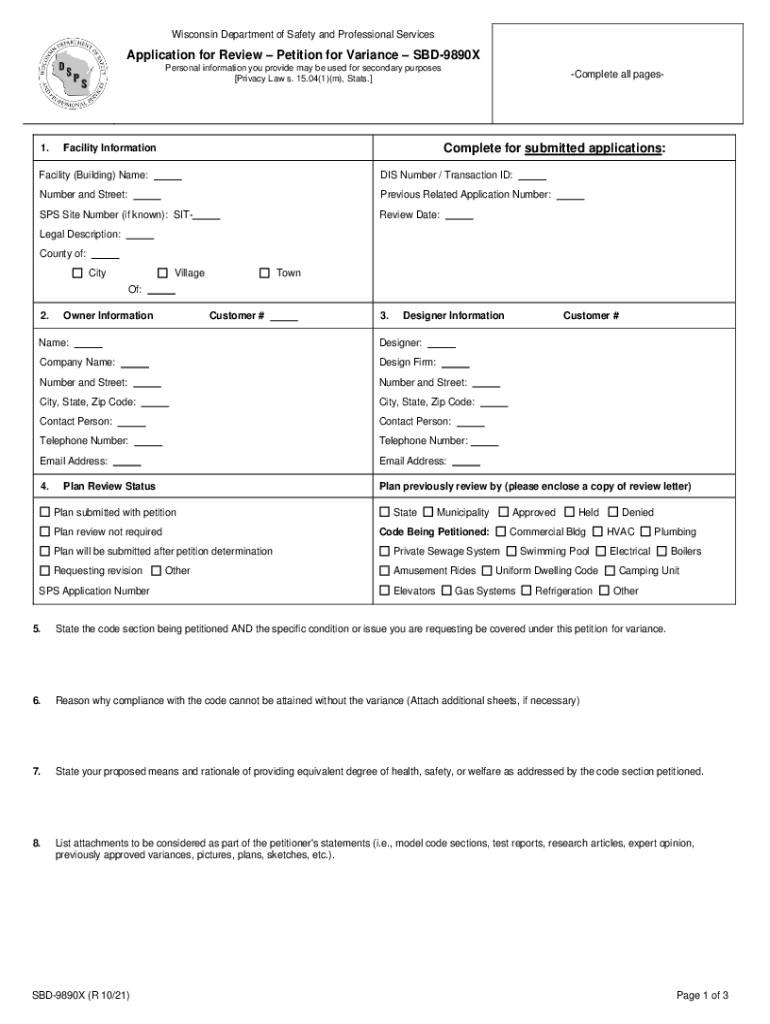
When discussing the concept of a "form online," it typically refers to any digital document or template that can be accessed, filled out, and submitted via the internet. These online forms are designed to streamline information collection, improve data accuracy, and reduce the time traditionally required for paper-based processes. They are frequently utilized in various sectors, including business, education, healthcare, and government. Online forms can range from simple contact forms on a website to complex tax return submissions required by government agencies. The ability to interact with these forms in real-time allows for enhanced user experience, immediate feedback, and efficient data integration into existing systems.
How to Use the Form Online
Using an online form is straightforward and usually involves a few key steps. First, users need to access the form through a provided link or search for it on a relevant website. Once accessed, the form will present fields that the user needs to complete, which can include text boxes, dropdown menus, checkboxes, and more. Specific guidance or tooltips may be provided to assist in filling out each section accurately. It's crucial for users to ensure that all required fields, typically marked with an asterisk, are completed before proceeding. After filling out the form, users can often review their entries before submitting to ensure accuracy. Depending on the form’s purpose, users might be able to download or print a copy for their records after submission.
Steps to Complete the Form Online
- Access the Form: Navigate to the appropriate website or use a provided link to access the form.
- Fill Out Required Sections: Carefully input information in each required field. This might include personal data, financial details, or specific responses depending on the form's purpose.
- Review Information: Before submitting, review all entered information to correct any errors or omissions.
- Submit the Form: Use the "submit" button to officially send your form. Confirmation of receipt, such as an email or a thank you page, may follow.
- Retain a Copy: Save or print a copy of the filled form for your records, if applicable.
Why Should You Form Online
Filling forms online offers several advantages over traditional paper-based methods. Firstly, it allows for greater convenience as forms can be accessed and completed from anywhere, provided you have an internet connection. This flexibility eradicates the geographical constraints associated with paper forms. Moreover, online forms significantly reduce processing times since submissions are instant, and data can be automatically aggregated and analyzed. This digital method also minimizes errors by providing real-time validation or highlighting incomplete fields. Additionally, form online aids in fostering an environmentally friendly approach by reducing the need for paper, thereby supporting sustainability efforts.
Important Terms Related to Form Online
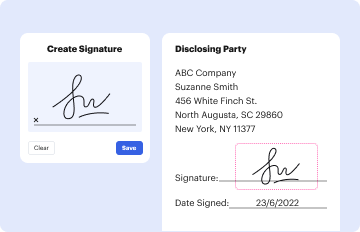
- Digital Signature: A type of electronic signature that employs encryption to secure and verify the document’s integrity and authenticity.
- Encryption: The process of converting information or data into a code, especially to prevent unauthorized access.
- Interactive Fields: Form elements like dropdowns, checkboxes, or text fields that allow for user input.
- Real-Time Validation: Immediate feedback provided on the form regarding incorrect or missing entries.
- OAuth 2.0: A protocol for authorization that allows applications to share data without compromising user credentials.
Legal Use of the Form Online
For many contexts, particularly within the United States, using forms online is legally accepted. For instance, legally binding agreements and contracts can be executed with electronic signatures, provided they comply with the Electronic Signatures in Global and National Commerce Act (ESIGN Act). This act affirms that electronic signatures are as legally enforceable as traditional handwritten ones. It is important for users to understand that while online forms streamline processes, all legal and compliance standards relevant to their use must still be met.
Key Elements of the Form Online
The essential elements of an online form are structured to facilitate easy user interaction and data collection. These elements include:
- Text Fields: Allow users to input free-form text.
- Check Boxes and Radio Buttons: Enable users to make selections from predefined options.
- Dropdown Menus: Provide a list of options from which users can select one or multiple items.
- File Uploads: Allow users to attach additional documentation, if necessary.
- Mandatory and Optional Fields: Indicates which fields require completion before submission.
Examples of Using the Form Online
Online forms have found uses in numerous scenarios across various industries:
- Tax Filing: Individuals use IRS forms online to submit federal and state tax returns.
- Job Applications: Companies host employment application forms on their websites for potential candidates.
- University Applications: Students submit enrollment forms and supporting documents to educational institutions.
- Healthcare Access: Patients complete medical history and appointment scheduling forms digitally.
Required Documents
Depending on the form's purpose, certain documents may be required to supplement the online application. These documents could include identification proof, financial records (such as a W-2 for tax purposes), letters of recommendation, or legal contracts. When completing a form online, users should verify the requirements and prepare electronic copies of any necessary documentation for upload.
Form Submission Methods (Online / Mail / In-Person)
Though submitting forms online is convenient, alternative methods still exist for situations where digital submission is not feasible or preferred. These alternative methods include:
- Mail: Printed forms can be sent via postal service where online access is limited or where required by specific guidelines.
- In-Person: Physical submission may be necessary for forms that require original signatures or in contexts involving personal verification, such as voter registration.
Selecting the submission method depends on the nature of the form, provider requirements, and individual circumstances.