




01. Edit your tenant profile template online
Type text, add images, blackout confidential details, add comments, highlights and more.

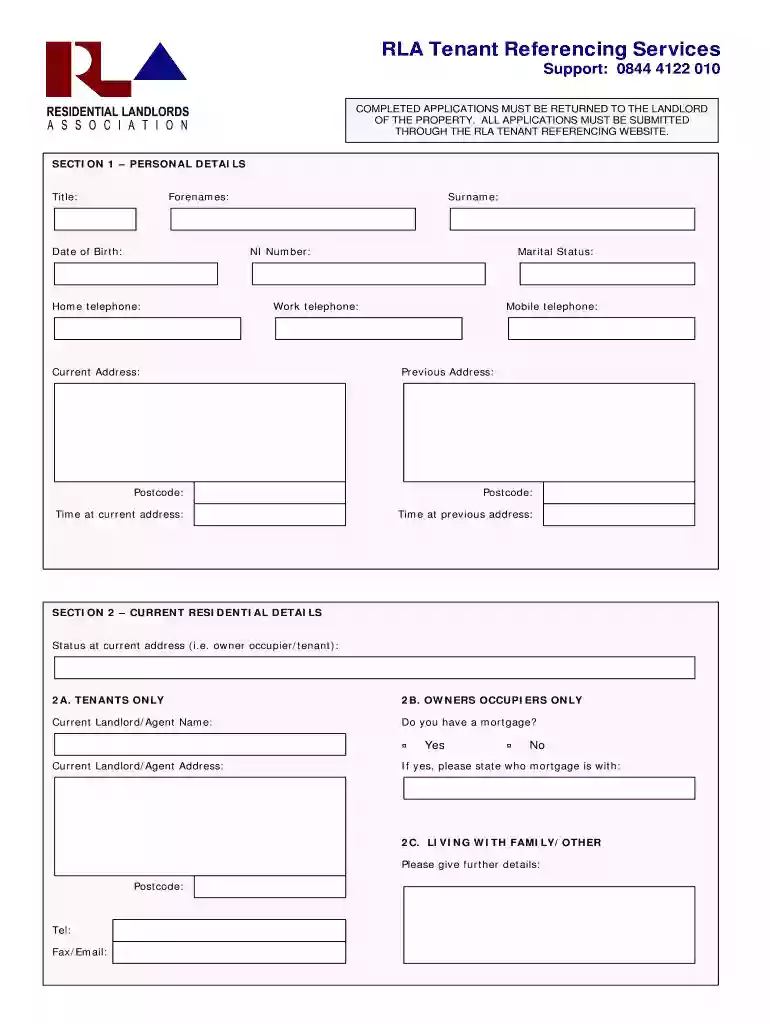
Type text, add images, blackout confidential details, add comments, highlights and more.

Draw your signature, type it, upload its image, or use your mobile device as a signature pad.

Send tenant profile example via email, link, or fax. You can also download it, export it or print it out.
The tenant profile form serves as a crucial document in the rental application process, designed to provide landlords and property managers with essential information about prospective tenants. This form collects detailed data, which helps in assessing the suitability of an applicant for a particular rental property. By standardizing this information, landlords can make informed decisions based on consistent criteria.
Filling out the tenant profile form is a straightforward process that requires accuracy and attention to detail. Prospective tenants should gather all necessary documentation beforehand to ensure a smooth application process.
Prospective tenants can access the tenant profile form through various channels. Knowing where and how to acquire it can streamline the application process.
Many property management companies and real estate websites offer downloadable versions of the tenant profile form. These can usually be filled out digitally for convenience.
Forms can also be obtained directly from property managers or real estate agents. Visiting a rental office can provide opportunities to ask questions and receive guidance on filling out the form correctly.
Certain rental management systems may send electronic forms as part of their application process. Tenants may receive a link to complete the form online, integrated with the rest of the application.
Understanding the terminology used in the tenant profile form can prevent misunderstandings and ensure accurate completion.
Landlords might include legal terms such as "lease agreement," "tenancy duration," or "default" in the form. Familiarizing yourself with these terms enhances comprehension when completing the form.
Using the tenant profile form appropriately is crucial for both landlords and tenants. It serves as a legal document in the rental process, backed by certain laws and regulations.
Landlords must ensure that the collection and use of information adhere to the Fair Housing Act and other relevant state laws. This ensures non-discrimination in the evaluation process based on race, gender, religion, and other protected categories.
Tenants must provide explicit consent for background and credit checks. This consent is typically part of the tenant profile form, making it a legally binding agreement once signed.
It's important for landlords to handle tenant information confidentially, adhering to privacy laws. Unauthorized sharing of this information can lead to legal consequences.
The tenant profile form is composed of several essential sections each designed to gather specific information about the applicant.
Different states may have unique regulations concerning the tenant profile form. Being aware of these variations can assist both landlords and tenants in meeting local legal requirements.
Certain states may limit the types of background checks landlords can perform, or they may dictate specific disclosures that must be included in the form. Understanding your state's regulations ensures compliance and fosters fair practices.
The tenant profile form may need adjustments based on state laws. For instance, some states may have specific data protection requirements, dictating how tenant data is stored and used.
Real-world scenarios demonstrate the practical application and utility of the tenant profile form in various rental contexts.
A landlord in a competitive rental market uses the tenant profile form to screen multiple applicants, ensuring they select tenants with stable income and positive rental histories.
Property management companies utilize the form to maintain standardized records for all tenants across numerous properties, aiding in efficient management and clear communication.
In some cases, the tenant profile form can also be applied to short-term leases or holiday rentals, ensuring all parties maintain a clear understanding of responsibilities and expectations.
The tenant profile form is integral to the rental application process, encapsulating critical information that assists landlords in determining tenant suitability. By understanding how to fill out and use this form effectively, tenants can enhance their chances of securing desirable rental properties while ensuring compliance with legal and procedural standards.
We've got more versions of the tenant profile template form. Select the right tenant profile template version from the list and start editing it straight away!
| Versions | Form popularity | Fillable & printable |
|---|---|---|
| 2010 | 4 Satisfied (24 Votes) |
At DocHub, your data security is our priority. We follow HIPAA, SOC2, GDPR, and other standards, so you can work on your documents with confidence.
TENANT CHARACTERISTICS. II. List all Persons Living in Unit. Name. Relationship. Sex. Age. List all Gross Income of all Persons EighteenRead more
TENANT. 1. LOG INTO THE HOUSING PORTAL . 2. CLICK. TENANT PROFILE. THEN TENANT. 3. CONFIRM. FAMILY STATUS. FAMILYRead more


