




Understanding the Concept of Form Online
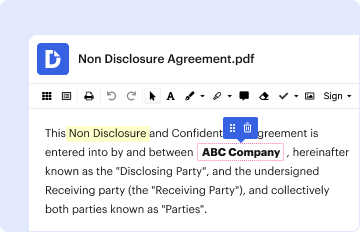
"Form online" refers to the digital process of completing, submitting, and managing various types of forms over the internet. This approach eliminates the need for traditional paper forms and offers a more efficient, accessible way to handle document workflows. Forms can range from simple signup sheets to complex tax and legal documents and are hosted on platforms like DocHub to facilitate seamless interaction. Users benefit from the convenience of modifying, sharing, and storing documents in a secure, digital environment, ultimately streamlining the entire process.
Advantages of Using Form Online
- Convenience: Forms can be filled out from anywhere with an internet connection, removing the physical constraints associated with paper forms.
- Speed: Digital forms allow for quick data collection and submission, reducing processing time.
- Environmentally Friendly: Eliminates paper use, contributing to sustainability efforts.
- Enhanced Accuracy: Automatic validation features can minimize errors by ensuring all required fields are completed correctly.
How to Use Forms Online Effectively
Using forms online involves several steps to ensure that the process is as smooth and efficient as possible. Users must be familiar with the platform, understand the necessary steps for completing forms, and follow online best practices.
Steps to Complete a Form Online
- Access the Form: Navigate to the website or platform hosting the form (e.g., DocHub).
- Fill Out Required Information: Enter all necessary data accurately into the designated fields, taking advantage of autofill options if available.
- Review and Validate: Double-check all entries for errors and completeness. Some platforms offer automated validation to assist with this step.
- Submit the Form: Follow the platform’s instructions to submit the form electronically.
- Save a Copy: Download or save a digital copy of the completed form for your records.
Tips for Effective Usage
- Ensure a stable internet connection during the process.
- Familiarize yourself with the platform’s interface beforehand.
- Keep digital copies of supporting documents handy.
Key Elements of Form Online
Understanding the critical components involved in online forms is crucial for achieving a successful submission and ensuring compliance with required standards.
Essential Features
- Fillable Fields: These include text boxes, checkboxes, radio buttons, and dropdown menus to guide users through data entry.
- Validation Rules: Implemented to ensure data integrity and accuracy before submission.
- Submission Feature: Facilitates the electronic sending of completed forms to the intended recipient or storage system.
- Security Measures: Platforms often use encryption and access controls to protect submitted data.
Special Considerations
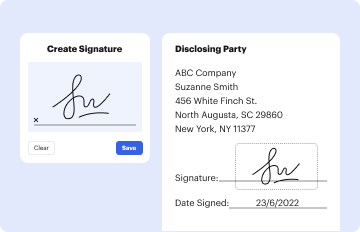
- Some forms may include legally binding elements, such as electronic signatures.
- Different forms might have varied field types and validation requirements.
Legal Use of Form Online
The legality of using forms online is universally recognized, especially for administrative, business, or governmental purposes. Compliance with relevant laws and regulations is imperative to ensure the validity of submitted forms.
Legal Frameworks and Standards
- ESIGN Act Compliance: Ensures that electronic signatures are legally recognized and valid.
- Data Protection Regulations: HIPAA for health forms, GDPR for EU data subjects, and others to maintain user privacy and data security.
Examples of Legal Applications
- Business Agreements: Contracts and agreements that require signatures can be legally concluded online.
- Tax Forms: Individuals and businesses can file tax documents electronically, streamlining the tax submission process.
Real-World Scenarios for Using Form Online
Online forms are prevalent in many sectors, each leveraging this technology to meet specific needs and improve workflow efficiency.
Examples of Usage
- Healthcare: Patients complete health questionnaires or consent forms online before appointments.
- Education: Student registration and enrollment forms are often completed online.
- Employment: Job applications and onboarding documents can be filled out digitally.
Benefits of Digitization
- Reduces administrative burdens by automating data collection and processing.
- Improves accessibility for users who can’t submit forms in person due to distance or time constraints.
Obtaining and Accessing Forms Online
The process of obtaining and accessing online forms is intuitive, as many are readily available on organization websites or platforms designed to handle specific form types like DocHub. Users can quickly search, identify, and interact with forms as needed.
Sources for Accessing Forms
- Official Websites: Government and organizational sites frequently host necessary forms.
- Dedicated Platforms: Platforms like DocHub provide a comprehensive suite of forms and editing tools for various document types.
- Email Links: Many organizations will send forms directly to users via email for convenient access.
Common Challenges and Solutions
- Navigation Issues: Clear instructions on how to access and complete forms can mitigate confusion.
- Technical Barriers: Offering user support and FAQs can help users overcome technical difficulties.
File Compatibility and Integration
Compatibility with various file formats and seamless integration with third-party software are essential features of an efficient online forms platform. This enhances versatility and utility for users who may need to work with different document types.
Supported File Formats
- PDF, DOC, XLS, PPT, TXT: Support for these formats allows users to work with a wide range of documents without unnecessary conversions.
Integration Benefits
- Google Workspace: Efficiently manage documents by importing and exporting files directly from Google Drive or Gmail.
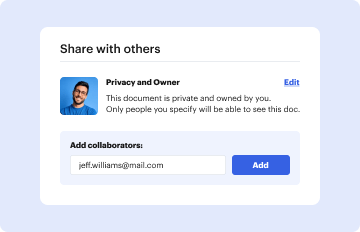
- Collaboration Tools: Platforms provide real-time editing, annotations, and comment features to facilitate teamwork.