





Definition and Meaning of Form Online
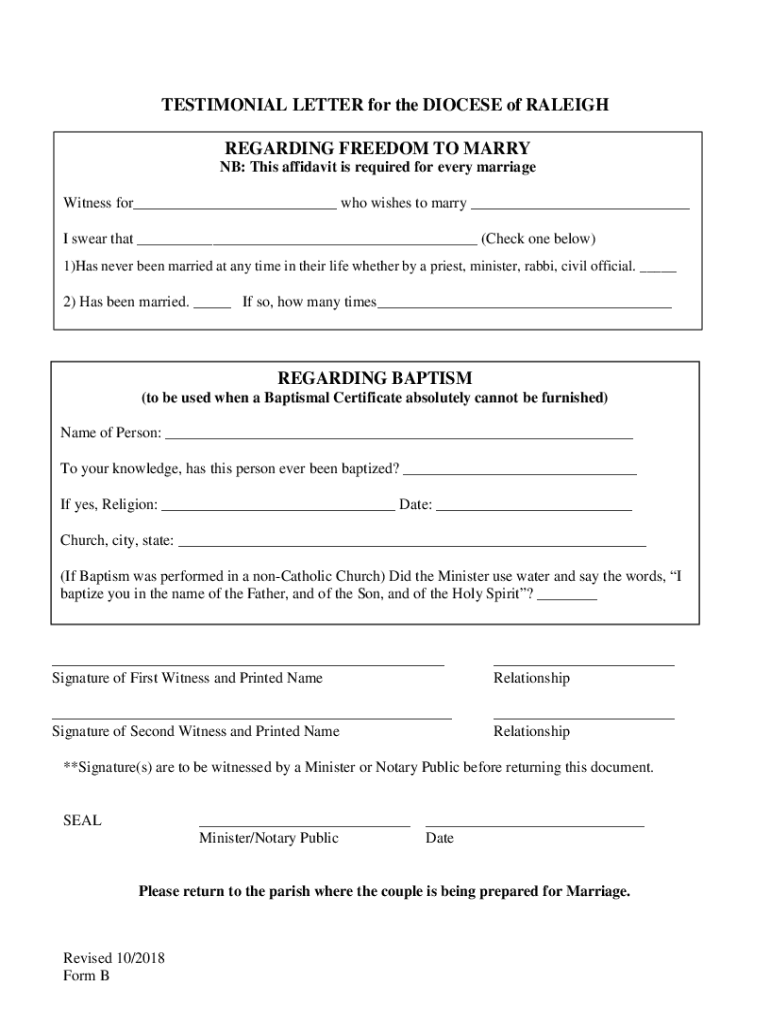
Form online refers to digital or web-based forms that allow users to input data, complete applications, or submit information over the internet. This format offers significant advantages over traditional paper forms, primarily through ease of access, enhanced convenience, and improved data management capabilities. Businesses and individuals favor this approach for tasks such as filling out tax forms, legal documents, or various applications, as it reduces the time and resources typically associated with paper-based processes. The flexibility of online forms enables enhanced interactivity, where users can save progress, receive instant feedback, and streamline submission workflows.
How to Use the Form Online
Using a form online is a straightforward process that typically involves accessing the document through a web browser. Users begin by navigating to the appropriate website or platform hosting the form. Once the form is accessible, users can fill in required information directly into predefined fields, often guided by prompts or tooltips that ensure clarity and completeness.
- Steps to Use:
- Access the form through a reliable and compatible web browser.
- Utilize fillable fields such as text boxes, checkboxes, or dropdown menus to input information.
- Review the entered data for accuracy.
- Submit the form by clicking a designated button, often labeled as "Submit" or "Complete."
Practical examples include signing up for services, completing tax submissions, or applying for permits, each utilizing intuitive interfaces designed to simplify user interaction and ensure data integrity.
Steps to Complete the Form Online
Completing an online form involves several critical steps that ensure all necessary information is accurately captured and validated.
-
Gather Necessary Information:
- Collect relevant documents and data before starting. Commonly required details include identification numbers, financial records, or employment history, depending on the form's purpose.
-
Access the Form:
- Log in to the appropriate portal or application where the form is available. Some forms may require registration or secure login for access.
-
Enter Data into Fields:
- Carefully fill out each section, ensuring all required fields are completed. Validation checks often highlight incomplete or incorrect entries.
-
Review and Validate:
- Double-check all entries for accuracy. Online forms typically allow users to review input data before proceeding.
-
Submit the Form:
- Once all information is complete and verified, submit the form electronically. Confirmation messages or emails often follow successful submissions.
This structured approach ensures meticulous completion and avoids delays associated with incorrect submissions or missing data.
Why Should You Form Online
There are numerous reasons to choose online forms over traditional paper versions. The primary benefit is efficiency, as online forms streamline data collection and processing through digital automation.
- Accessibility: Users can access forms from any location with internet connectivity, enabling flexibility and convenience.
- Time-Saving: Immediate submission and processing reduce the delays associated with mailing or hand-delivered documents.
- Enhanced Accuracy: Built-in error detection and data validation features minimize inaccuracies stemming from manual input.
- Environmentally Friendly: Reduces reliance on paper, aligning with sustainable practices.
For example, submitting tax documents online typically results in faster processing and refunds, making it an attractive option for taxpayers.
Key Elements of the Form Online
The structure and components of an online form are pivotal in optimizing user experience and data collection efficiency.
- User-Friendly Interface: Includes intuitive design with navigable sections and clear instructions.
- Fillable Fields: Components such as text boxes, radio buttons, and drop-down menus facilitate diverse data input.
- Validation Mechanisms: Automated checks ensure mandatory fields are completed and input data meets specific criteria.
- Security Features: Data encryption and secure access protocols protect user information.
Enhanced interactivity allows users to effectively navigate complex forms with ease, ensuring all necessary elements are satisfied before submission.
Legal Use of the Form Online
Online forms must adhere to legal standards and regulations to maintain validity and enforceability. Legal compliance ensures that electronically submitted forms are recognized by relevant authorities.
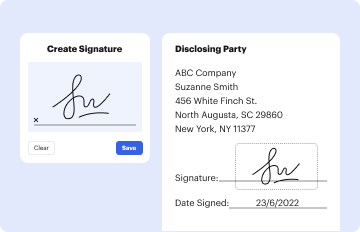
- Digital Signatures: Legally equivalent to handwritten signatures when compliant with acts such as the ESIGN Act.
- Privacy Regulations: Adherence to laws like GDPR or HIPAA safeguards user data during collection and submission.
- Audit Trails: Detailed records of form interactions and submissions support legal requirements for documentation.
For instance, electronically signing a mortgage application holds the same legal weight as signing a paper document in a face-to-face setting.
Examples of Using the Form Online
Online forms are used across various contexts, each highlighting the adaptability of this method to diverse needs.
- Tax Filing: Platforms like IRS e-file allow taxpayers to submit returns and forms such as the W-9 electronically.
- Job Applications: Companies employ online forms for recruitment, facilitating streamlined candidate evaluations.
- Permits and Licenses: Government applications for permits and licenses often accept online submissions to expedite processing.
These examples demonstrate the versatility of online forms in simplifying traditionally complex processes.
State-Specific Rules for the Form Online
Certain online forms are subject to state-specific regulations that influence their structure and submission processes.
- State Tax Forms: Variations in tax laws mean that forms like a state income tax return differ in content and requirements across states.
- Business Licenses: Licensing requirements may change based on state-specific regulations, affecting the input and verification processes in online forms.
- Professional Certifications: State boards often dictate nuanced certification requirements, impacting how related forms are completed online.
Awareness of such differences ensures compliance and accuracy in submissions tailored to jurisdictional guidelines.