




Definition and Meaning of Online Forms
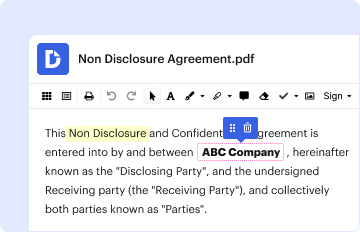
Online forms are digital versions of paper forms that can be completed and submitted via the internet. These forms are designed to streamline the data collection process by allowing users to input information directly into designated fields. Online forms can serve various purposes, including but not limited to, applications, surveys, feedback collection, and electronic signatures. They are typically used in both professional and personal contexts to facilitate efficient communication and data management.
- Purpose: Collect data and feedback quickly and accurately.
- Types: Includes applications, registrations, surveys, and more.
- Formats: Can be simple with text fields only, or complex with multimedia elements.
Users can access online forms from any device with internet connectivity, which increases convenience and usability. The digital nature of online forms often incorporates features such as validation checks, automatic data saving, and built-in calculators to enhance user experience.
Steps to Complete a Form Online
Filling out an online form can be a straightforward process, thanks to intuitive digital tools. Here is a step-by-step guide to ensure completion without errors:
- Access the Form: Navigate to the website hosting the form, or follow a direct link if provided.
- Read Instructions: Carefully review any instructions or guidelines provided before starting.
- Fill in Information: Enter data into the required fields, making use of dropdowns and checkboxes where applicable.
- Review Your Inputs: Double-check entries for accuracy and completeness.
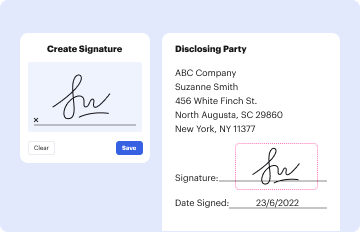
- Digitally Sign if Necessary: Use the platform’s tools to sign the document if a signature is required.
- Submit the Form: Click the submit button to send the form to its recipient or storage location.
- Save a Copy: Download or print a copy of the completed form for your records.
It's crucial to make sure that all required fields are filled in correctly before submission to avoid delays or rejections.
Why Should You Use Forms Online
Utilizing online forms offers numerous advantages over traditional paper counterparts. Here are several compelling reasons:
- Efficiency: Online forms eliminate the need for physical document handling, reducing time spent on data entry and submission.
- Environmental Benefits: Less paper usage helps in decreasing environmental footprint.
- Data Accuracy: Automated input validation improves data quality by minimizing human error.
- Global Access: Users can fill out forms from anywhere in the world, increasing accessibility.
- Cost Savings: Reduced need for printing and postage leads to lower overall costs.
The growing preference for online forms across industries is driven by these benefits, making them an increasingly popular choice.
Important Terms Related to Online Forms
Understanding key terminology is essential for effectively using online forms. Some important terms include:
- Required Field: A field that must be completed before the form can be submitted.
- Checkbox: A selection tool that allows users to choose one or more options.
- Dropdown Menu: A list of options that appears when clicked, allowing users to select one.
- Captcha: A test to determine whether the user is human, often used for security purposes.
- Validation: Process of checking that entered data meets certain criteria.
- Backend Database: Where form data is stored and managed after submission.
A firm grasp of these terms facilitates smoother navigation and use of online forms.
Legal Use of Online Forms
Online forms must adhere to relevant legal guidelines to ensure compliance and enforceability. Key considerations include:
- Electronic Signatures: Governed by laws such as the ESIGN Act in the U.S., which grants electronic signatures the same legal status as handwritten ones.
- Data Privacy: Compliance with data protection laws such as GDPR and CCPA, depending on location and scope of data collection.
- Record Retention: Legal requirements for the duration and method of storing completed forms and collected data.
Utilizing compliant platforms like DocHub, which incorporates secure authentication and encryption measures, helps maintain legal integrity when using online forms.
Key Elements of an Effective Online Form
An effective online form includes a combination of well-designed features that facilitate ease of use and data accuracy:
- Intuitive Layout: Organized and user-friendly design to aid navigation and completion.
- Clear Instructions: Unambiguous guidelines to direct users on how to fill out the form.
- Responsive Design: Compatibility with various devices and screen sizes, including desktops and mobile devices.
- Data Validation: Real-time checks for input errors to minimize incorrect submissions.
- Progress Indicator: A visual cue that shows users how much of the form they have completed.
Incorporating these elements ensures that forms are not only easy to fill but also collect accurate and reliable data.
Examples of Using Forms Online
Online forms are versatile and used across different contexts. Here are a few examples:
- Employment Applications: Companies use online forms to gather applicant information systematically.
- Customer Feedback: Service-based businesses collect user feedback to improve products or services.
- Registration Forms: Events or educational institutions use these to enroll participants or students.
- Tax Filings: Government agencies provide online submission formats for filing returns.
These examples demonstrate the widespread applicability and utility of online forms in diverse sectors.
Software Compatibility for Online Forms
Compatibility with various software and platforms is crucial for seamless usability. Service providers like DocHub offer integration options with:
- Google Workspace: Direct import and export functions with Google Drive and Gmail.
- Cloud Storage Services: Compatibility with Dropbox, OneDrive, and other cloud storage solutions.
- Financial Software: Integration with accounting software such as QuickBooks for streamlined financial processing.
Ensuring compatibility with commonly-used software enhances the efficiency and convenience of using online forms.