





Understanding the Landlord Consent Form
The landlord consent form is a legal document that facilitates the transfer of a lease from the current tenant to a new tenant. It formally allows the current tenants to assign their lease obligations, confirming that all existing lease conditions have been met. This form ensures continuity of the lease agreement until its expiration, protecting the rights of both the landlord and the new tenant.
Key Elements of the Landlord Consent Form
A landlord consent form typically includes essential information about the property, the current tenant, and the new tenant. Key elements include:
- Property Details: Address and unit number, if applicable.
- Landlord and Tenant Information: Names and contact details of both the current and prospective tenants.
- Lease Terms: Current lease terms, including rent obligations and expiration date.
- Consent Conditions: Any specific conditions or restrictions imposed by the landlord for the lease transfer.
These components ensure all parties involved understand the terms of the lease transfer, preventing future disputes.
How to Use the Landlord Consent Form
The primary purpose of the landlord consent form is to document the landlord's approval for a lease assignment. Here are steps on how to effectively use the form:
- Fill in Property and Tenant Details: Ensure all information is current and accurate.
- Specify Lease Transfer Details: Include the intended date of transfer and any conditions.
- Secure the Landlord's Signature: Formal consent is only valid with the landlord's signed approval.
Each step serves to clearly delineate responsibilities and inform all parties of the agreement's stipulations.
Obtaining the Landlord Consent Form
To obtain a landlord consent form, consider these common methods:
- Download from a Document Platform: Platforms like DocHub offer customizable forms.
- Request from Property Management: Many property managers provide standard consent forms upon request.
- Consult a Real Estate Attorney: Legal professionals can draft a form tailored to specific needs.
The method you choose should align with your needs for customization and legal compliance.
Steps to Complete the Landlord Consent Form
Completing the form correctly is critical to avoid potential legal issues. Follow these steps:
- Gather Required Information: Prepare tenant and property details.
- Review Lease Terms with All Parties: Ensure both the current and new tenants understand the terms.
- Fill Out the Form: Enter details accurately, adhering to any state-specific regulations.
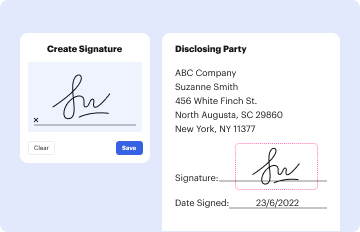
- Sign and Date: Obtain the signatures of all parties involved, including the landlord.
These steps ensure that the document is legally binding and compliant.
Legal Use of the Landlord Consent Form
A landlord consent form is a legal requirement in many jurisdictions when transferring lease responsibilities. It protects all parties by:
- Providing Legal Proof: It serves as evidence of the landlord's consent.
- Ensuring Compliance with Lease Terms: Compliance with original lease terms is maintained.
- Facilitating Smooth Lease Transitions: It prevents disputes during tenant transitions.
Understanding the legal implications helps protect tenant and landlord interests.
Important Terms Related to the Landlord Consent Form
Several key terms are relevant to understanding and using this form effectively:
- Assignment: The transfer of lease rights and responsibilities to another party.
- Leaseholder: The current tenant who holds the lease.
- Subletting: Different from assignment; it involves renting part or all of the leased premises to another party temporarily.
Familiarity with these terms helps in accurately interpreting and completing the form.
Examples of Using the Landlord Consent Form
Consider these scenarios where a landlord consent form may be required:
- Job Relocation: A tenant must move due to a job transfer, and the lease is assigned to a new tenant.
- Family Changes: When a family member needs to take over the lease for personal reasons.
- Roommate Situations: One roommate leaves, and a new one takes over their portion of the lease.
In each case, the form ensures the transition is handled legally and fairly.
State-Specific Rules for the Landlord Consent Form
Regulations regarding lease assignments can vary by state. Some states may have specific requirements:
- Notification Periods: States may require specific advance notice to landlords.
- Consent Conditions: Conditions under which a landlord can deny consent.
- Assignment Fees: Some states may allow landlords to charge a fee for processing a consent form.
Understanding these state-specific rules ensures the landlord consent form is completed accurately and legally.