





Definition and Purpose of Online Forms
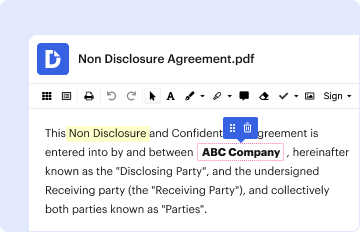
Online forms are digital versions of paper forms used to collect data electronically. They are designed to streamline the process of gathering and processing information, making it more efficient and accessible. This technological solution allows users to fill out forms via a computer, smartphone, or other internet-enabled device, eliminating the need for physical paperwork. Online forms are commonly used for applications, surveys, feedback, registrations, and transactions both in personal and professional contexts. They simplify data submission, facilitate storage, and ensure easy retrieval of information.
Common Types of Online Forms
- Registration Forms: Used for signing up participants for events or services.
- Application Forms: Necessary for a variety of purposes, including employment, education, or grants.
- Feedback Forms: Designed to collect opinions or feedback about products or services.
- Order Forms: Allow customers to purchase products or services online.
- Survey Forms: Collect data for research or analysis.
Steps to Complete an Online Form
Understanding how to complete an online form can significantly ease the process. Here’s a step-by-step guide to filling out an online form efficiently:
- Review Form Instructions: Start by reading any instructions provided at the beginning of the form. This will help avoid errors.
- Fill in Personal Information: Enter your personal details accurately, including your name, address, and contact information.
- Reply to Relevant Sections: Only fill out sections that are applicable to you. Some fields might be optional.
- Check Required Fields: Identify required fields marked with an asterisk (*) and ensure they are completed.
- Review and Edit: Before submitting, review your entries for accuracy and completeness.
- Submit the Form: Once satisfied with your responses, submit the form by clicking the designated button.
Tips for Avoiding Common Mistakes
- Double-check spelling and data accuracy.
- Ensure all required fields are completed.
- Save a copy of the form if possible, either by screenshot or printing.
Benefits of Using Online Forms
Online forms offer numerous advantages across different sectors. They provide a fast and convenient way to collect and process information.
- Efficiency: Fill out and submit forms instantly without delay, reducing processing time.
- Accuracy: Built-in validation checks minimize errors by ensuring only correct entries are accepted.
- Accessibility: Available 24/7 from any location with internet access, making it easy for users to complete them at their convenience.
- Cost-Effective: Reduces expenditure associated with printing, scanning, and physical storage of paper forms.
- Sustainability: Helps in cutting down on paper usage, contributing positively to environmental conservation efforts.
Who Uses Online Forms
Different kinds of users find online forms beneficial for various applications, ranging from personal to business needs.
- Individuals: For personal use such as event registrations, applications, and surveys.
- Businesses: Collect customer information, feedback, and execute transactional operations.
- Educational Institutions: Manage admissions processes, surveys, and feedback from students and parents.
- Government Agencies: Gather information and applications from citizens efficiently for official processes.
Real-world Examples
- A university collecting student feedback on courses.
- A company conducting market research using online surveys.
- A local government office managing citizens’ registration for new services.
Key Components of an Online Form
Knowing the essential elements that make up an online form is crucial to improving form design and user experience.
- Form Fields: Includes areas where data is entered — text boxes, dropdowns, radio buttons, checkboxes, etc.
- Submit Button: A call-to-action button that sends completed data to the server.
- Instructions and Guidelines: Provide direction on how to complete the form.
- Validation Messages: These pop up to alert the user of any errors or omissions in their input.
- Design and Layout: The look and feel, which affects user friendliness and completion rates.
Legal Use and Considerations for Online Forms
Online forms must comply with various legal regulations, particularly regarding data privacy and electronic transactions.
- Data Protection: Forms must comply with laws such as the GDPR or CCPA in their respective jurisdictions, ensuring safe data handling.
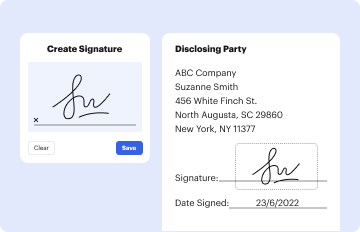
- Electronic Signatures: Legally binding in online forms, particularly for contracts and agreements, as per the ESIGN Act in the U.S.
Compliance Best Practices
- Ensure secure transmission of data using encryption.
- Obtain user consent for data collection clearly.
- Provide a privacy policy outlining data usage.
State-Specific Rules for Online Forms
While many forms follow federal guidelines, some states have specific requirements and regulations regarding the use of online forms.
- California: Robust data protection regulations under CCPA.
- New York: Additional requirements for financial and tax-related forms.
Navigating State Variability
- Research state-specific laws prior to form implementation.
- Adapt design and compliance strategies to meet local legal standards.
Digital vs. Paper Forms: An Analysis
Choosing between digital and paper forms depends on multiple factors including your operational needs and audience preferences.
Advantages of Digital Forms
- Quick Data Processing: Instant data submission and integration into systems.
- Error Reduction: Automated error-checking and corrections.
Paper Forms: When They Are Still Relevant
- Suitable for non-digital populations.
- Useful in situations with little to no internet access.
Providing a comprehensive solution, online forms integrate efficiency and legality, adaptable to a broad spectrum of needs from individual use to business and government operations.