



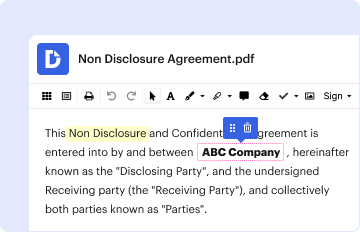
01. Edit your form online
Type text, add images, blackout confidential details, add comments, highlights and more.

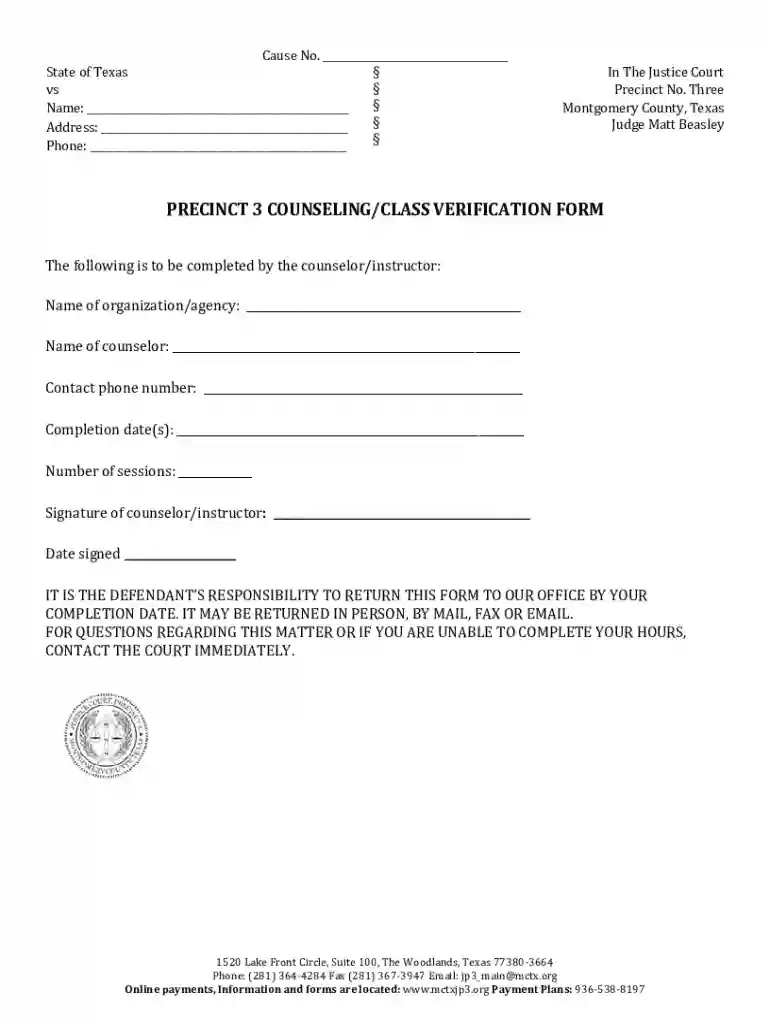
Type text, add images, blackout confidential details, add comments, highlights and more.
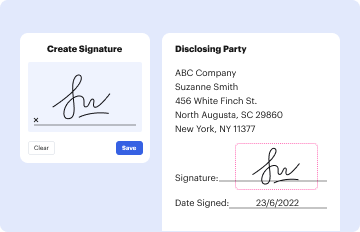
Draw your signature, type it, upload its image, or use your mobile device as a signature pad.

Send it via email, link, or fax. You can also download it, export it or print it out.
A "Petition to Enforce Deed Restriction" is a formal legal document used to request the enforcement of specific provisions in a property's deed. Typically, these restrictions, also known as covenants, include rules on the use, modifications, or upkeep of the property. Homeowners' associations, property developers, or individual property owners usually invoke this petition when a violation of the deed's terms occurs. Its primary aim is to ensure that the properties within a community or development maintain a uniform standard, benefiting all residents or stakeholders by preserving property values and community aesthetics.
The process begins with identifying the specific deed restriction violation. The petitioner, whether an individual or organization, must document the breach, including photographic evidence and witness statements if applicable. This evidence is then submitted alongside the petition to a legal authority, often a court, to request enforcement action. The use of this petition often involves the drafting of ancillary documents, possibly requiring the expertise of a legal professional to ensure precision and adherence to legal standards.
Important aspects include the petitioner's details, a comprehensive description of the restriction, the nature and evidence of the violation, and the sought-after remedy. The document may also highlight previous attempts to resolve the issue amicably. Precise terminology and references to the specific deed restrictions in question are critical, as ambiguity can weaken the petition's position.
Initiating a petition ensures property and community standards are upheld. Enforcing these restrictions preserves the visual and structural integrity of residential areas, potentially preventing disputes. It also helps maintain real estate values and assures residents that their community standards are safeguarded, providing peace of mind and legal backing to homeowners who comply with the rules.
Deed restrictions and their enforcement can vary significantly by state, reflecting different legal frameworks and real estate climates. Some states may enforce restrictions strictly, while others leave enforcement largely in the hands of local homeowners' associations. Legal precedents and specific statutory laws influencing these actions are essential factors in each jurisdiction. Understanding these nuances can significantly affect the outcome of a deed restriction case.
The petition is a legally binding document, requiring entry into the court system to be actionable. It often necessitates legal counsel to draft or manage court dealings effectively. The legal framework around deed restrictions encourages adherence by providing a formal method for dispute resolution. Parties involved must adhere to procedural norms and court directives throughout this legal process.
Consider a community where deeds restrict the construction of external structures, such as additional garages or sheds. If a homeowner disregards this rule, neighbors or associations may petition to enforce the restriction, citing potential harm to property values and aesthetic discord. Success in these petitions often leads to remedial action by the violator under court supervision, ensuring the community’s uniformity continues unchallenged.
We've got more versions of the PETITION: TO ENFORCE DEED RESTRICTION form. Select the right PETITION: TO ENFORCE DEED RESTRICTION version from the list and start editing it straight away!
A lot of software applications are available on the market for document editing and signing. DocHub is one of the most popular online solutions that comply with all security and compliance standards and guarantees your eSigned paperwork is legally enforceable. All you need to try it out is to sign up for an account, upload your PETITION: TO ENFORCE DEED RESTRICTION, provide the requested details, and click Sign. Generate your electronic signature by typing, drawing it, uploading its picture to your document, or scanning a unique QR code.
You can quickly fill out, edit, and even eSign your PETITION: TO ENFORCE DEED RESTRICTION using DocHub. Create a new account and begin your free trial. After that, you can upload the document with the form and simply make all the needed edits. No need to print on paper or use a third-party application to sign it, as you can put your electronic signature on your document faster through DocHub.
At DocHub, your data security is our priority. We follow HIPAA, SOC2, GDPR, and other standards, so you can work on your documents with confidence.
The grantor has the right to impose restriction and have them en- forced as long as they are (1) reasonable in nature, (2) not immoral or illegal and (3) notRead more
The purpose of this report is to provide a summary of. Technical Impracticability (TI) waivers that have been issued by U.S. Environmental Protection Agency.Read more
Plaintiff requests that the court find that the defendant is in violation of a deed restriction, and assess civil damages for the violation in an amount not toRead more


