





Definition and Meaning of Form Online
In today's digital age, a "form online" refers to any document, application, or questionnaire that is accessible and fillable through the internet. These forms encompass a wide variety of purposes, from simple contact forms on websites to complex government applications such as tax submissions or legal documents. Traditionally, these forms were physical documents that required manual filling and submission. However, the advent of web-based solutions has streamlined the process, allowing users to complete, submit, and manage forms electronically. This shift not only increases efficiency but also broadens accessibility, enabling more users to interact with necessary forms without geographical restrictions.
Steps to Complete the Form Online
-
Access the Form: Begin by navigating to the website hosting the form. For example, if you're using DocHub, you can simply log in or access your desired document through their platform.
-
Select the Relevant Form: Identify the form needed, whether it's importing from cloud storage or selecting from available templates.
-
Fill in Required Information: Use available tools to enter your information. This includes text boxes, dropdown menus, and other interactive fields, ensuring that each section is completed accurately.
-
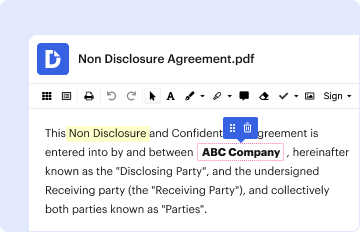
Review and Edit: Once all necessary fields are filled, review the form for accuracy. Use DocHub's editing tools to modify any incorrect data or add annotations where needed.
-
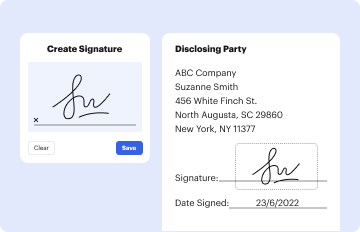
Sign the Form: If a signature is required, utilize the electronic signature feature. DocHub offers various methods, such as typing, drawing, or uploading a signature.
-
Submit the Completed Form: After double-checking all inputs, submit the form through the designated online system. You may receive a confirmation of submission or a possibility to download a copy for your records.
Why Use Forms Online
The use of forms online offers numerous advantages, particularly in terms of efficiency and accessibility. Primarily, online forms eliminate the need for paper-based processes, reducing time and resource consumption. This eco-friendly method also offers instant submission and processing, critical for time-sensitive documents, such as tax filings and legal documents. Additionally, online forms support error reduction through auto-fill suggestions and validation prompts, ensuring that submissions are more accurate and complete. Users also benefit from the ease of access, as forms can be accessed and filled out anywhere with an internet connection, making it a convenient solution for overseas or remote submissions.
Key Elements of Online Forms
An online form typically comprises several essential elements to facilitate data collection and interaction:
- Text Fields: Allow users to input various types of data, like names and addresses.
- Checkboxes/Radio Buttons: Enable selections from multiple or single options.
- Dropdown Menus: Provide a streamlined approach to selecting from a predefined list of options.
- Signatures: For legal documents, signature fields are crucial for validation and compliance.
- Validation Indicators: Highlight fields requiring completion or correction, enhancing form accuracy.
These components work in unison to create a cohesive system that gathers and manages data effectively.
Legal Use of Forms Online
Adopting online forms for legal purposes, such as contracts or official submissions, necessitates understanding compliance with laws like the ESIGN Act. Electronic signatures, considered legally binding, must adhere to guidelines ensuring authenticity, like specific user consent and recorded verification paths. Similarly, handling personal data requires strict adherence to privacy laws, like GDPR or CCPA, depending on the jurisdiction of the user or organization. Institutions using forms online should implement robust security measures, including encryption and access controls, to safeguard sensitive data from unauthorized access.
How to Obtain Forms Online
Forms can be obtained from a variety of sources, commonly through websites associated with the purpose of the form. For example, government sites might offer tax forms, while business platforms like DocHub provide templates for general and specific document needs. Users may access these forms directly through web browsers, using dedicated portals or third-party integrations like Google Workspace. Often, these forms can be downloaded for offline completion or filled directly online via platforms optimized for this purpose.
Important Terms Related to Forms Online
Several terms are essential to understanding and effectively using forms online:
- Form Fields: Areas where users input data.
- Encryption: Security measure protecting data during transfer and storage.
- OAuth: Protocol for secure user authentication.
- Interactive Templates: Pre-made forms that adapt to user inputs with interactive elements.
- Submission Confirmation: A receipt or notice confirming the successful submission of the document.
These terms form the backbone of discussions surrounding online forms, crucial for both novices and experienced users navigating form technologies.
Digital vs. Paper Version
The transition from paper to digital versions of forms reflects alterations in management and efficiency. Digital forms offer flexible data input and instantaneous data manipulation, features restricted by physical constraints in paper versions. While paper forms involve lengthy administrative cycles for collection and processing, their digital counterparts enable real-time collaboration and editing. Despite these benefits, certain scenarios still warrant paper forms, mostly in cases where digital access is limited or for original document requirements. However, the rapid adoption of digital solutions continues as the preferred method for modern document interaction.