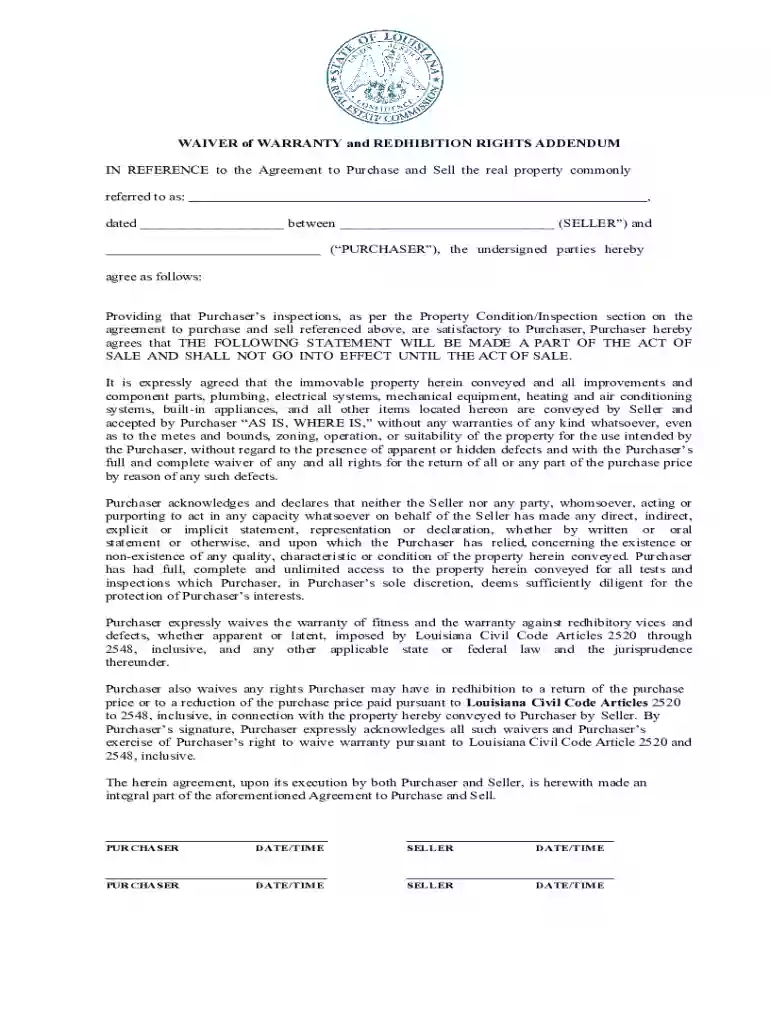
Definition and Overview of Online Form
Online forms, commonly referred to as digital forms, are electronic versions of paper forms that facilitate data entry and collection over the internet. These forms are designed to collect information such as personal details, feedback, survey responses, or application submissions. By utilizing online forms, businesses and individuals can streamline processes, improve data accuracy, and enhance user experience.
How to Use the Form Online
Using an online form involves several straightforward steps designed to maximize efficiency and ease of use:
- Access the Form: Navigate to the specific website or platform where the form is hosted.
- Input Information: Enter the required data into designated fields, which may include text boxes, drop-down menus, and checkboxes.
- Review Entries: Double-check the entered information for accuracy to prevent errors.
- Submit the Form: Click the "Submit" button, which sends the form data to the server for processing.
Key Features in Online Forms
- Responsive Design: Ensures compatibility across devices, including desktops, tablets, and smartphones.
- Field Validation: Automatically checks for errors, such as incomplete entries or incorrect formats.
- Conditional Logic: Adapts fields dynamically based on previous responses, enhancing user interaction.
Steps to Complete the Form Online
Completing an online form generally follows a structured approach:
- Identify Required Fields: Determine which fields are mandatory, often marked with an asterisk.
- Gather Required Documents: Ensure all necessary documents or information are at hand before starting.
- Fill Out the Form: Input all requested information accurately.
- Attach Documents: Upload any necessary supporting documents as indicated in the form.
- Confirmation and Submission: Look for confirmation of submission, which may be an email or an on-screen message.
Important Considerations
- Data Security: Ensure the form is on a secure site (look for HTTPS) to protect personal information.
- Saving Progress: If the form allows, save progress to avoid losing data in case of interruption.
Why Use Forms Online
Online forms offer numerous advantages over traditional paper forms:
- Convenience: Forms are accessible anytime and from anywhere with internet access.
- Efficiency: Streamlines data collection and minimizes manual entry errors.
- Cost-Effectiveness: Reduces the need for physical materials and administrative overhead.
Impact on Business Operations
- Quick Data Processing: Facilitates faster decision-making and reduces response times.
- Improved Accuracy: Reduces errors common with manual data entry through automatic validation.
Who Typically Uses Online Forms
Online forms serve a diverse range of users, each benefiting from the digital format:
- Businesses and Organizations: For customer feedback, order processing, and registration forms.
- Educational Institutions: Student applications, surveys, and event registrations.
- Government Agencies: Tax filings, applications for permits, and public service requests.
User Demographics
- Freelancers and Entrepreneurs: For client intake forms and project proposals.
- Nonprofits: For donation forms and volunteer sign-ups.
Key Elements of an Effective Online Form
Effective online forms are characterized by certain critical elements:
- Intuitive Layout: Simple, user-friendly design that guides users effortlessly from start to finish.
- Prompt Feedback: Provides immediate feedback for incorrect or incomplete entries.
- Security Measures: Uses encryption to protect user data during transmission and storage.
Design and Functionality
- Minimalist Design: Avoids clutter, focusing on essential information and usability.
- Clear Instructions: Provides clear, concise instructions to guide users through the form.
Software Compatibility for Online Forms
Online forms must be compatible with various software and tools to ensure broad usability:
- Web Browsers: Should function smoothly across popular browsers like Chrome, Safari, and Firefox.
- Integration with Other Tools: Compatibility with CRM systems, email marketing platforms, and payment gateways.
Examples of Compatible Software
- Form Builders: Platforms like Google Forms and Jotform facilitate easy form creation and embedding.
- Data Analysis Tools: Integration with tools like Excel or Google Sheets for efficient data management.
Legal Use of Online Forms
Online forms must adhere to legal standards to ensure compliance with data protection laws:
- Privacy Policies: Clearly outline how collected data will be used and stored.
- User Consent: Ensure users provide consent before submitting sensitive data.
Compliance and Guidelines
- GDPR Compliance: For forms collecting data from EU citizens, comply with GDPR regulations.
- American Privacy Standards: Follow domestic regulations such as the California Consumer Privacy Act (CCPA).
Adopting online forms within any organization or process offers tangible benefits in efficiency, accuracy, and user satisfaction, making them indispensable in modern digital communication and data collection.