





Definition & Meaning
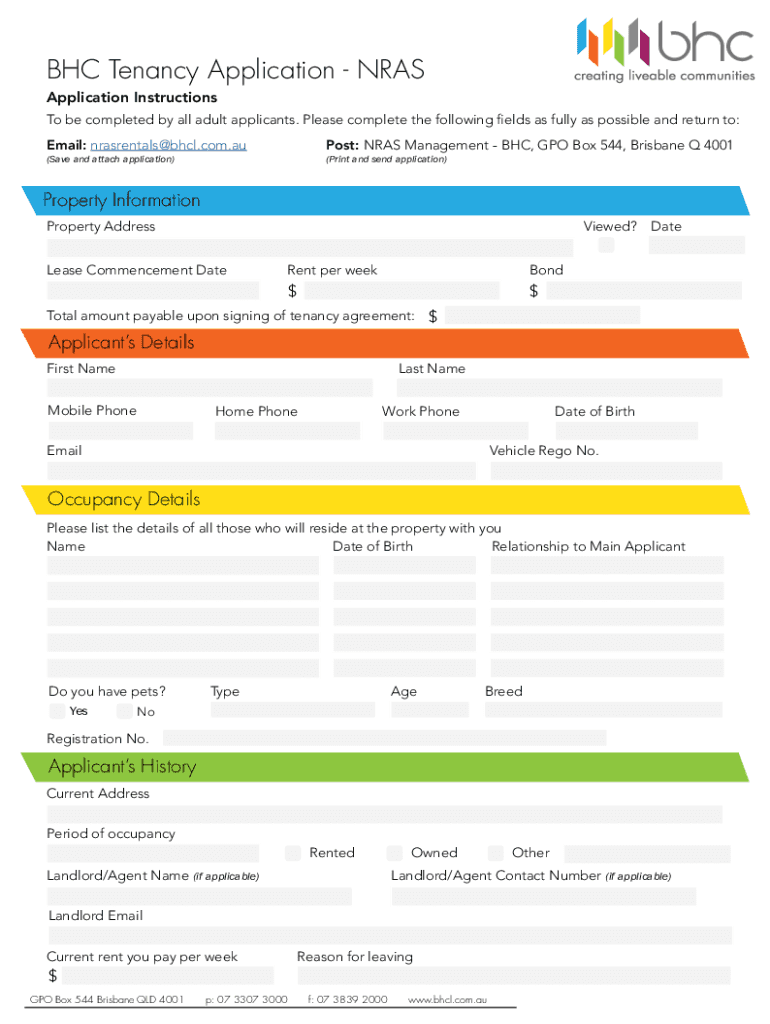
The concept of "form online" refers to the digital equivalent of a paper form used for collecting information, conducting transactions, or gathering signatures over the internet. These online forms are integral in simplifying workflows by enabling users to fill out, submit, and manage forms electronically, thereby eliminating the need for physical paperwork. They allow users to engage in various functions such as applications, registrations, or surveys by using computer or mobile devices, improving efficiency, accuracy, and data management.
Characteristics of Online Forms
- Accessibility: Anyone with an internet connection can access online forms, providing convenience and flexibility.
- Interactivity: Online forms often feature interactive elements such as dropdown menus, checkboxes, and input fields, enhancing user experience.
- Automation: They are capable of automatically feeding data into digital databases, significantly reducing manual entry errors.
Practical Examples
- Survey Forms: Collect user opinions, feedback, or research data.
- Application Forms: Used for jobs, loans, or educational enrollments.
- Order Forms: Facilitate online purchasing processes.
How to Use the Form Online
Using online forms involves a series of steps that guide the user from accessing the form to completing and submitting it. The process is streamlined to ensure a user-friendly experience, typically designed to minimize errors and enhance the efficiency of form completion.
Steps to Use an Online Form
- Access the Form: Users can access forms via direct links, emails, or from a website hosting the form.
- Fill Out the Fields: Enter information into designated fields, ensuring accuracy and completeness.
- Review: Double-check entries for errors or omissions before submission.
- Submit: Once satisfied with the information provided, click the submit button to finalize the process.
Features to Enhance Usability
- Real-time Validation: Alerts users to errors or incomplete fields before submission.
- Save and Continue Options: Allows users to save progress and return to the form at a later time.
Steps to Complete the Form Online
Filling out an online form requires careful attention to detail to ensure the accuracy and completeness of the information provided. Following each step methodically helps avoid common errors and ensures the form serves its intended purpose.
Detailed Procedure for Completion
- Read Instructions: Start by thoroughly reading any instructions or guidelines provided at the beginning of the form.
- Proceed Section by Section: Tackle the form in sections; complete personal information fields before moving on to specific queries.
- Upload Necessary Attachments: If the form requires documents, ensure they are in the correct format and size before uploading.
- Verify Information: Critically review every piece of entered data for errors or mismatches.
- Submit and Save a Copy: Submit the form electronically and download or print a copy for your records.
Additional Tips
- Use Autofill Features: Many browsers offer autofill for frequently entered information, speeding up the process.
- Cross-Verify with Available Data: Use official documents to verify entries such as names, addresses, or dates.
Why Should You Form Online
Choosing to utilize online forms brings several advantages that traditional paper forms cannot offer. They are not only time-saving but also enhance accuracy and accessibility for a wide range of users.
Benefits of Online Forms
- Efficiency: Submitting forms online reduces the time spent on paperwork, streamlining processing times significantly.
- Data Accuracy: Digital forms minimize manual error, ensuring information is collected accurately and effectively.
- Eco-Friendly: Reduces paper consumption, contributing to environmentally sustainable practices.
Real-World Applications
- Educational Institutions: Simplify admissions and enrollment processes.
- Business Transactions: Enhance customer interaction and transactional efficiency.
- Healthcare: Streamline patient information collection and management.
Who Typically Uses the Form Online
Various individuals and organizations benefit from using online forms. These forms cater to a diverse set of needs and streamline processes across different sectors.


Primary Users of Online Forms
- Individuals: For personal applications, taxes, or surveys.
- Businesses: For client transactions, feedback collection, or employee on-boarding.
- Government Agencies: To facilitate services such as tax filing or benefits applications.
- Educational Institutions: Managing student records and admissions efficiently.
Specialized Usage Scenarios
- Remote Workers: Use online forms for timesheets and project submissions.
- Frequent Travelers: Use for online visa applications and travel documentation.
Key Elements of the Form Online
To effectively serve its purpose, an online form must include several critical components. These elements ensure the form is functional and user-friendly while gathering the required data accurately.
Essential Components
- Header Information: Includes the title and brief description of the form's purpose.
- Field Labels and Inputs: Clear labeling of fields is crucial for user understanding and accurate data entry.
- Submission Button: Enables users to send the completed form to the necessary parties.
Enhancements for Efficiency
- Validation Scripts: Check for incorrect entries or omitted fields.
- Conditional Logic: Shows or hides fields based on previous answers, tailoring the form to each respondent's needs.
Legally Binding Electronic Signatures
The use of electronic signatures in online forms is crucial for ensuring document validity and compliance with legal standards. These digital signatures simplify the signing process and enhance security measures.
Attributes of Electronic Signatures
- Legal Compliancy: Aligns with laws such as the ESIGN Act, making them equivalent to handwritten signatures.
- Security Measures: Incorporate encryption to protect signatory details and document integrity.
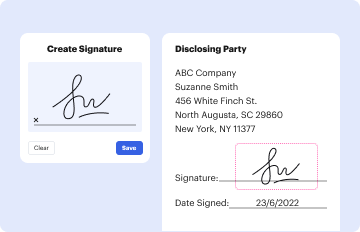
- Multiple Signature Options: Provides flexibility with options to draw, type, or upload signature images.
Use Cases
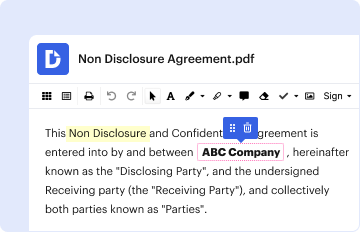
- Contract Signing: Ensures agreements are executed swiftly and legally.
- Official Applications: Such as tax forms or lease agreements, facilitate faster approval processes.
Digital vs. Paper Version
The shift from paper to digital forms marks significant advancements in how data is collected and managed. Understanding the differences between these two formats can help users choose the most suitable option for their needs.
Comparison Aspects
- Accessibility: Digital forms are available anytime and anywhere online, unlike paper forms which require physical presence.
- Cost-Effectiveness: Eliminates the need for printing, shipping, and storage costs involved with paper forms.
- Speed of Processing: Digital forms are processed faster, as data can be automatically integrated into databases.
Adjusting to State and Federal Regulations
- Compliance Across States: Digital forms must adhere to varied state-specific regulations impacting legality and data handling processes.