




Here's how it works
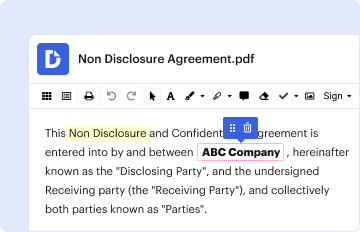
01. Edit your pc 441 online
Type text, add images, blackout confidential details, add comments, highlights and more.
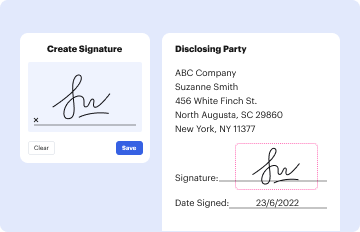
02. Sign it in a few clicks
Draw your signature, type it, upload its image, or use your mobile device as a signature pad.

03. Share your form with others
Send form affidavit via email, link, or fax. You can also download it, export it or print it out.
How to use or fill out probate final accounting form with our platform

- Click ‘Get Form’ to open the probate final accounting form in the editor.
- Begin by entering the estate's name and address at the top of the form. This identifies the estate for which you are providing an account.
- Fill in your details as the fiduciary, including your name, address, and telephone number. This section establishes your role and responsibility.
- Indicate whether this account is for a conservatorship or guardianship by checking the appropriate box. Specify if it’s a periodic or final account.
- Report all assets received during the accounting period, ensuring to attach any required schedules that detail additional assets or income.
- Complete the payments and distributions section by detailing administration expenses and any distributions made. Attach supporting schedules as necessary.
- Sign and date the form at the bottom, certifying that all information is accurate and complete before submitting it through our platform.
Start using our platform today to easily fill out your probate final accounting form for free!
Fill out probate final accounting form online
It's free
It's free
See more probate final accounting form versions
We've got more versions of the probate final accounting form form. Select the right probate final accounting form version from the list and start editing it straight away!
Got questions?
We have answers to the most popular questions from our customers. If you can't find an answer to your question, please contact us.
Contact us
What is the final accounting of probate?
The Final Accounting is filed when the estate is ready to be closed. It wraps up everything and shows the Court: All assets and income collected during the probate process. All payments made for debts, expenses, and taxes.
Does an executor have to show accounting to beneficiaries after?
Your Ultimate Guide to Preparing a Final Accounting for Probate Collect Financial Information: Gather bank statements, bills, receipts, and more. Identify Assets and Liabilities: List all property, investments, and debts. Prepare an Inventory: File this with the court. Record All Transactions: Note income and expenses.
Does an executor need to provide accounting to beneficiaries?
The executor must give the accounting to all the residual beneficiaries and they must approve it before distribution takes place.
What is final accounting in probate?
These accounts are a detailed record of all the financial transactions that have occurred during the administration of an estate. It includes information on the assets, liabilities, and administration expenses of the estate, and ultimately shows the final amount that will be distributed among the beneficiaries.
What is the final accounting to beneficiaries?
Protecting Beneficiaries: A final accounting safeguards the beneficiaries interests by ensuring you distribute assets fairly and according to the decedents wishes outlined in the will. This document is a clear record confirming beneficiaries receive what they deserve.
Security and compliance
At DocHub, your data security is our priority. We follow HIPAA, SOC2, GDPR, and other standards, so you can work on your documents with confidence.
Learn more


