







Understanding the Smog Form: Definition and Meaning
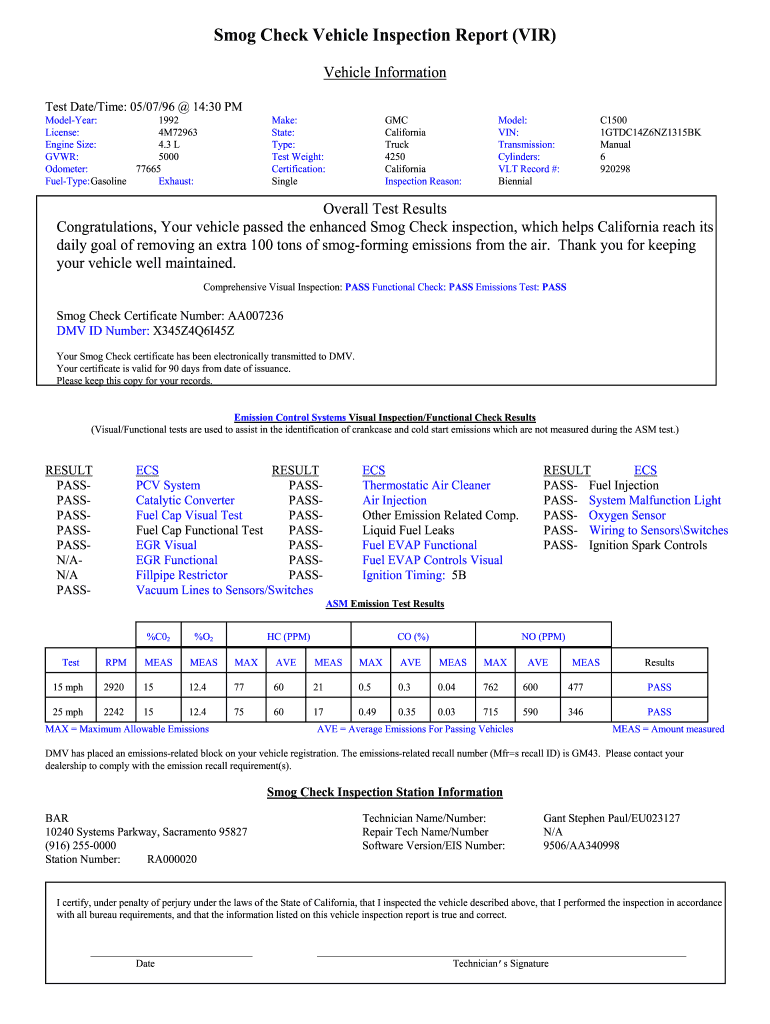
The smog form, often referred to as a smog certification or smog check form, is a pivotal document for vehicle compliance with air quality standards in various states, particularly in California. This form certifies that a vehicle has passed the necessary emissions tests and is in alignment with environmental regulations. The smog certification is essential for several administrative processes, including vehicle registration and transfer titles, as specific states may require proof of compliance to facilitate transactions.
Importance of the Smog Certification
- Complies with state regulations: A smog certificate demonstrates that the vehicle meets local emissions requirements and helps to promote cleaner air.
- Necessity for vehicle registration: Without this certification, vehicle owners may face challenges in registering their vehicles.
- Facilitates vehicle sales: Potential buyers often require a valid smog check certificate before completing a purchase.
Process of Completing the Smog Check Form
Completing the smog check form involves several straightforward steps designed to ensure compliance with emissions testing standards. This process is generally initiated by a certified smog inspection station.
Steps to Obtain a Smog Certification
-
Locate a Certified Smog Check Station: Vehicle owners should first identify an approved station in their area. Most automotive shops or dedicated emissions testing facilities are qualified.
-
Schedule an Appointment: It is advisable to call ahead for an appointment, although many locations accept walk-ins.
-
Present Necessary Documentation: When arriving at the station, vehicle owners should provide necessary information, including:
- Vehicle registration details
- Proof of identification
-
Complete the Smog Inspection: The inspection typically takes about 20 to 30 minutes. During this time, technicians will check various components of the vehicle's emissions system.
-
Receive the Smog Report: Upon completion of the inspection, the technician will generate a smog report documenting whether the vehicle passed or failed the emissions test.
Understanding the Outcomes of the Inspection
- Pass: If the vehicle passes, the smog certification is issued, often sent electronically to the Department of Motor Vehicles (DMV).
- Fail: In cases of failure, the vehicle owner will receive a report detailing the specific issues that need addressing. Repairs must be made before retesting.
Key Elements of the Smog Form
The smog form serves multiple functions and contains critical information pertinent to both the vehicle and the testing process. Understanding these elements is crucial for compliance.
Vital Components of the Smog Certification
- Vehicle Information: Includes specifics such as make, model, VIN (Vehicle Identification Number), and year of manufacture.
- Test Results: The form will detail the outcomes of various emissions tests, including levels of components like CO (carbon monoxide) and HC (hydrocarbons).
- Inspection Station Details: Name and certification number of the inspection station are recorded for authenticity and traceability.
Legal Use and Compliance of the Smog Check Form
Understanding the legal obligations surrounding the smog check form is significant for vehicle owners in states with stringent emissions regulations.
Legal Implications of Smog Certification
- Compliance Requirement: Vehicle owners are legally required to present a valid smog certificate for registration or transfer in states where such regulations exist.
- Penalties for Non-Compliance: Failure to obtain a smog certification can result in fines or an inability to register the vehicle.
Variants and Alternatives to the Smog Form
While the standard smog form is widely recognized, there are variations that might be relevant under different circumstances.
Types of Smog Forms
- Blank Smog Certificate California: This serves as a template that can be filled out for vehicles requiring a smog check but may not have a prior report.
- Smog Doc: Some specialized vehicles may use different standards, which can lead to variations in documentation.
Common Uses of the Smog Form in Different Scenarios
The smog check form finds utility in various real-world scenarios, reflecting the need for compliance across multiple situations.
Practical Examples of Smog Certification Use
- Buying and Selling Vehicles: A seller must provide the buyer with a valid smog certificate to finalize any sale, especially in California where this is mandated.
- Transferring Titles: In states like California, transferring a vehicle title often necessitates proof that the vehicle has passed the emissions test.
State-Specific Rules Regarding Smog Checks
Different states have varying regulations around emissions testing and smog certification, reflecting local environmental policies.
Key Differences in Smog Regulations by State
- California: Strictest regulations, requiring a smog check every two years for most vehicles.
- Other States: Some states may not require emissions testing, but specifics vary; thus, verifying local requirements is essential for compliance.
Quick Facts about Smog Check Certification
- Certification Duration: Generally valid for 90 days; re-testing may be required for extended periods.
- Cost of Inspection: Fees may vary widely, but typically range from $30 to $70 depending on location and vehicle type.
- Vehicle Age Exceptions: Many jurisdictions exempt vehicles manufactured in specific years or earlier from emissions testing.
This comprehensive overview of the smog form outlines its definition, processes, key components, and legal implications, helping vehicle owners navigate compliance in a user-friendly manner.




