






Definition and Meaning of a Corrective Action Plan Template
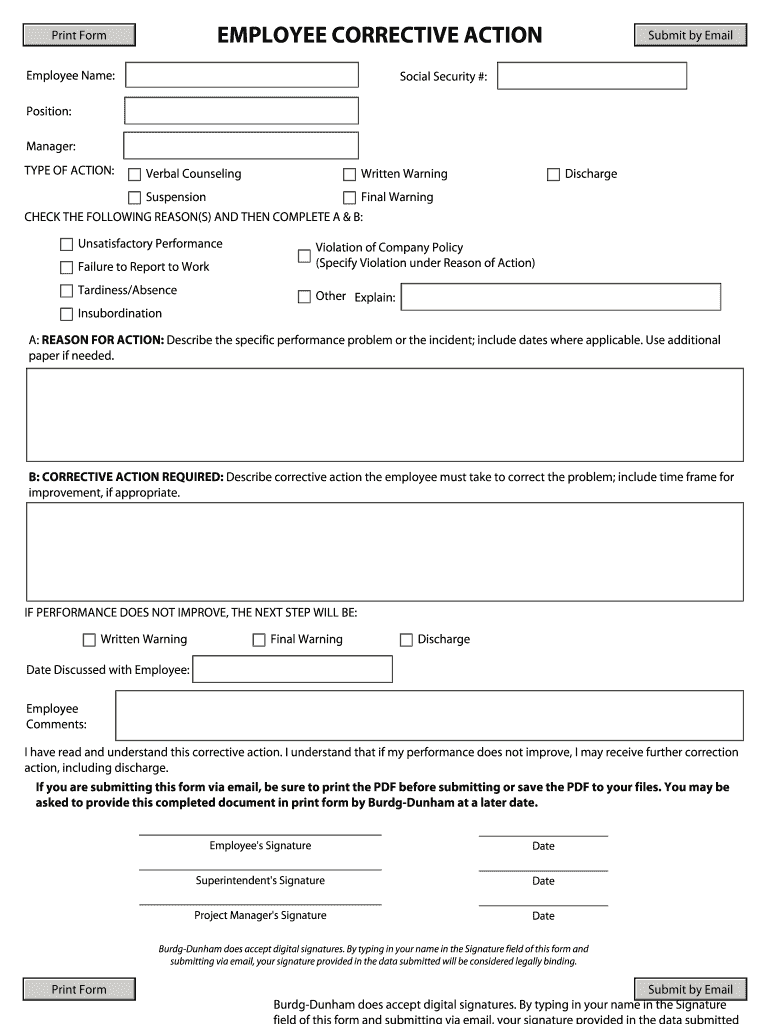
A corrective action plan (CAP) template serves as a structured framework for addressing issues or deficiencies in an organization. It provides a systematic approach to outlining the steps needed to identify, analyze, and resolve problems that may affect overall performance. The CAP template is an essential tool for ensuring compliance with regulatory standards, improving operational processes, and fostering a culture of continuous improvement.
The key components of a corrective action plan typically include:
-
Problem Identification: Clearly defining the issue that necessitates corrective action. This should detail the specific problems encountered, their impact on operations, and the context in which they arose.
-
Root Cause Analysis: Conducting an in-depth investigation to determine the underlying causes of the identified problem. This analysis is crucial for developing effective solutions that prevent reoccurrence.
-
Corrective Actions: Outlining the specific steps that will be taken to address the issue, including who is responsible for implementing these actions and the timeline for completion.
-
Monitoring and Evaluation: Establishing metrics to assess the effectiveness of the corrective actions once implemented. This may include follow-up reviews and assessments to ensure that the actions taken have effectively resolved the issue.
How to Use the Corrective Action Plan Template
Utilizing a corrective action plan template effectively involves several critical steps:
-
Customization: Adapt the template to suit the specific needs of your organization. This may involve modifying sections to reflect your industry standards, compliance requirements, or unique operational challenges.
-
Incident Documentation: Begin by entering a detailed account of the incident or issue that prompted the need for the corrective action plan. Ensure that all relevant details, such as dates, involved parties, and a description of the problem, are documented clearly.
-
Root Cause Determination: Utilize tools such as the Five Whys or Fishbone Diagram to analyze the root causes related to the issue. A thorough understanding of the root cause will enable you to design effective corrective actions.
-
Developing Corrective Actions: List the actions needed to address the root causes. Specify who will be responsible for each action and a clear deadline for completion.
-
Implementation and Monitoring: Once the corrective actions are in place, monitor their execution closely. This might include regular check-ins to ensure accountability and progress, as well as updating the corrective action plan as necessary to reflect changes or challenges encountered during implementation.
-
Review and Close: After the corrective actions have been implemented, conduct a review to verify that they have effectively resolved the issue. Closing the corrective action plan requires documentation of the outcomes and lessons learned to enhance future processes.
Key Elements of the Corrective Action Plan Template
When drafting a corrective action plan using the template, consider including the following key elements:
-
Title and Date: Clearly label the document as a corrective action plan and include the date of creation for reference.
-
Issue Description: Provide a concise summary of the issue, highlighting the significance of addressing it promptly.
-
Analysis of Root Causes: Summarize findings from the root cause analysis to include potential drivers behind the issue.
-
Action Steps: Include a detailed list of step-by-step actions that need to be taken to address the issue. Each action should contain:
- Actions Required: Specific changes or improvements needed.
- Responsibilities: Individuals or teams responsible for each action item.
- Timeline: Expected start and completion dates.
-
Follow-up and Review: Methods for reviewing the effectiveness of actions taken, including who will conduct the evaluations and timelines for follow-up reviews.
Steps to Complete the Corrective Action Plan Template
Completing a corrective action plan template involves systematically following these steps to ensure clarity and thoroughness:
-
Identify the Problem: Document the specifics of the issue at hand, discussing its implications and why it requires corrective action.
-
Conduct Root Cause Analysis: Identify the underlying reasons for the problem. Techniques like brainstorming sessions or data collection can aid in this analysis.
-
Specify Actions: For each identified problem or root cause, detail the corrective measures to be implemented. This section should be comprehensive, with each action clearly defined.
-
Assign Responsibility: Ensure that every action is paired with a responsible individual or team. This accountability is crucial for effective implementation.
-
Set Deadlines: Assign realistic timelines for each corrective action. These should be achievable yet prompt enough to maintain momentum.
-
Establish Evaluation Criteria: Define how you will measure the success of the corrective actions. This could include specific metrics or qualitative assessments post-implementation.
-
Document Follow-Up Procedures: Outline how you will follow up after implementing actions to ensure they are effective and assess any need for further adjustments.
Examples of Using the Corrective Action Plan Template
Practical applications of a corrective action plan template can enhance understanding and guide implementation:
-
Employee Performance Issues: If an employee consistently fails to meet performance standards, a corrective action plan may include steps such as performance improvement training, regular feedback sessions, and setting specific performance metrics.
-
Compliance Violations: In cases of regulatory non-compliance, a plan might outline steps to rectify documentation errors, enhance training for staff, and ensure regular audits to monitor compliance in the future.
-
Operational Failures: Should a production line experience frequent downtime, a corrective action plan could involve analyzing machinery failures, implementing preventive maintenance schedules, and training operators on machinery best practices.
By utilizing real-world examples when drafting your corrective action plan and template, organizations can more easily relate to the necessity of specific actions and outcomes in their context.