Understanding Society Resolution Formats
A society resolution format is a structured document used by organizations, such as housing societies and cooperatives, to officially record decisions made during meetings. It serves as a formal record of actions taken and is often required for legal compliance or to authenticate decisions involving management or financial transactions.
Key Elements of Society Resolution Formats
- Title: The document typically starts with a clear title, indicating it is a "Society Resolution" or similar.
- Date: The date on which the resolution was adopted.
- Members Present: A list of members who were present during the meeting where the resolution was passed.
- Resolution Statement: A clear and concise statement of the decision or action being approved.
- Proposed By: Name of the individual who proposed the resolution.
- Seconded By: Name of the individual who seconded the motion.
- Vote Details: The outcome of the vote, including in favor, against, and abstentions.
- Signatures: Spaces for signatures of key attendees, usually including the president, secretary, and other board members.
Common Uses of Society Resolutions
Society resolutions can be utilized for a wide range of purposes, including:
- Appointment of Officers: Authorizing the appointment of individuals to specific roles within the society.
- Financial Decisions: Approving budgets, expenses, or the opening of bank accounts.
- Policy Changes: Implementing new policies or changing existing ones within the society.
- Legal Actions: Authorizing legal steps, including agreements or property transactions.
Sample Structure of a Society Resolution Format
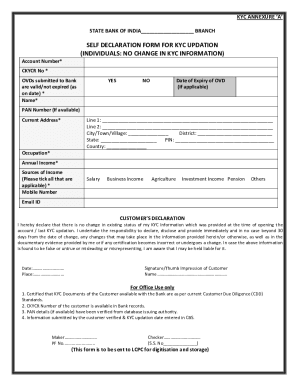
A typical format for a society resolution might look like this:
-
Title: Society Resolution for [insert specific purpose]
-
Date of Resolution: [Insert date]
-
Members Present:
- [Member 1 Name]
- [Member 2 Name]
- [Member 3 Name]
-
Resolution: "Resolved that [insert specific action or decision]."
-
Proposed By: [Name of the proposer]
-
Seconded By: [Name of the individual seconding the motion]
-
Vote Result:
- In Favor: [number of votes]
- Against: [number of votes]
- Abstentions: [number of votes]
-
Signatures:
- [Signature of Proposer]
- [Signature of Secretary]
- [Signature of President]
Variations in Society Resolution Samples
Depending on the organizational structure and the specific decision being made, variations in the resolution format may occur. For example:
-
Housing Society Resolution Format: This might include additional sections specific to housing issues, such as maintenance expenditures or property management appointments.
-
Cooperative Society Resolution Format: May need to include stipulations regarding profit sharing or member engagement activities.
Legal Requirements and Compliance
It is vital to ensure that society resolutions comply with local laws governing organizations. Each state may have specific guidelines about how resolutions should be documented and the required voting procedures. For example:
-
In-Person Voting: Many societies require a physical presence for voting, while some allow for electronic voting.
-
Documentation Retention: Resolutions should be stored according to legal requirements for record-keeping, often for several years.
Conclusion on Practical Applications
Understanding and utilizing the society resolution format sample is essential for maintaining organizational integrity and ensuring that decisions are documented accurately. Adhering to the structure can lead to clarity in governance and compliance with legal frameworks, thereby fostering a culture of accountability within the society.