




Definition and Meaning
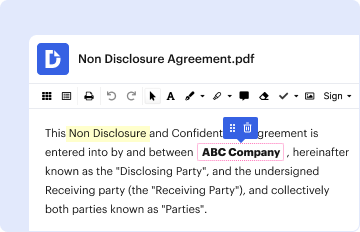
"Form online" refers to the digital version of forms that can be filled out, submitted, and processed electronically through the internet. These are applicable to a wide range of domains, including legal, tax, business, and employment, allowing individuals and organizations to handle their paperwork without the need for paper-based forms. Using a digital form streamlines workflows and minimizes manual input errors, leading to more efficient data processing. As forms are accessible online, they can be updated continuously to ensure compliance with current regulations and standards.
Steps to Complete the Form Online
-
Access the Form: Navigate to the website where the form is hosted, like DocHub, and select the required form.
-
Review Instructions: Read any accompanying instructions or guidelines to understand the necessary information and requirements.
-
Fill in the Fields: Enter your details in the required fields. Look for mandatory fields marked with an asterisk (*) to ensure complete information is provided.
-
Upload Supporting Documents: Attach any required documents by selecting the appropriate file upload field within the form.
-
Review and Edit: Double-check your entries for accuracy and completeness. Utilize editing tools for corrections if needed.
-
Submit the Form: Once satisfied with the form, submit it electronically. Some platforms might offer a confirmation receipt to indicate successful submission.
Why Should You Use Forms Online
Choosing to fill out forms online offers significant advantages, such as:
- Convenience: Access and submit forms anytime, from any device with internet connectivity.
- Efficiency: Reduce time spent on manual form completion and mailing of documents.
- Accuracy: Automatic data validation reduces errors in form entries.
- Environmentally Friendly: Significantly less paper waste is generated.
- Real-Time Updates: Instantly implement changes and updates, ensuring compliance with the latest standards.
Who Typically Uses Forms Online
Forms online are widely used by various individuals and entities, including:
- Taxpayers: Individuals filing tax returns digitally.
- Businesses: Enterprises managing legal contracts, employee onboarding, and client agreements.
- Educational Institutions: Schools and universities handling admissions and administrative paperwork.
- Government Agencies: Facilitating applications, permits, and public documentation.
- Healthcare Providers: Managing patient records and insurance claims securely.
Legal Use of Forms Online
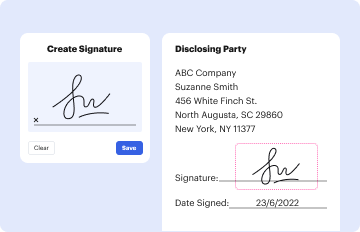
In the U.S., online forms are legally recognized for most transactions, including contracts and agreements. Thanks to regulations such as the Electronic Signatures in Global and National Commerce (ESIGN) Act, documents signed digitally carry the same legal weight as handwritten signatures, provided they meet certain criteria, like mutual consent and intent to sign. Electronic records and signatures are deemed valid and enforceable, streamlining the legal use of online forms across various jurisdictions.
Key Elements of Forms Online
-
Accessibility: Online forms must be compatible with multiple devices and platforms, ensuring users can complete them without additional software.
-
Security: Proper encryption methods are vital for protecting sensitive information entered into forms.
-
User Interface: An intuitive design aids users in navigating the form efficiently, minimizing errors and frustration.
-
Integration: Ability to seamlessly integrate with other digital systems, such as cloud storage, for easy data management and retrieval.
Required Documents
While completing a form online, various documents may be required, including:
- Identification: Government-issued IDs or passports to verify identity.
- Proof of Address: Utility bills or bank statements showing current residence.
- Supporting Documentation: Specific to the form's purpose, such as tax returns, income statements, or legal documents.
Ensuring you have these documents handy can prevent delays in the form submission process.
Software Compatibility
Online forms must be compatible with various software applications for a seamless experience:
- Document Editing Tools: Platforms like DocHub support various file formats, enabling easy document manipulation.
- Accounting Software: Integration with tools like QuickBooks for financial and tax forms.
- Cloud Services: Compatibility with Google Drive, Dropbox, and others allows easy access to stored documents.
These compatibilities ensure that users can manage their forms efficiently without worrying about technical limitations.