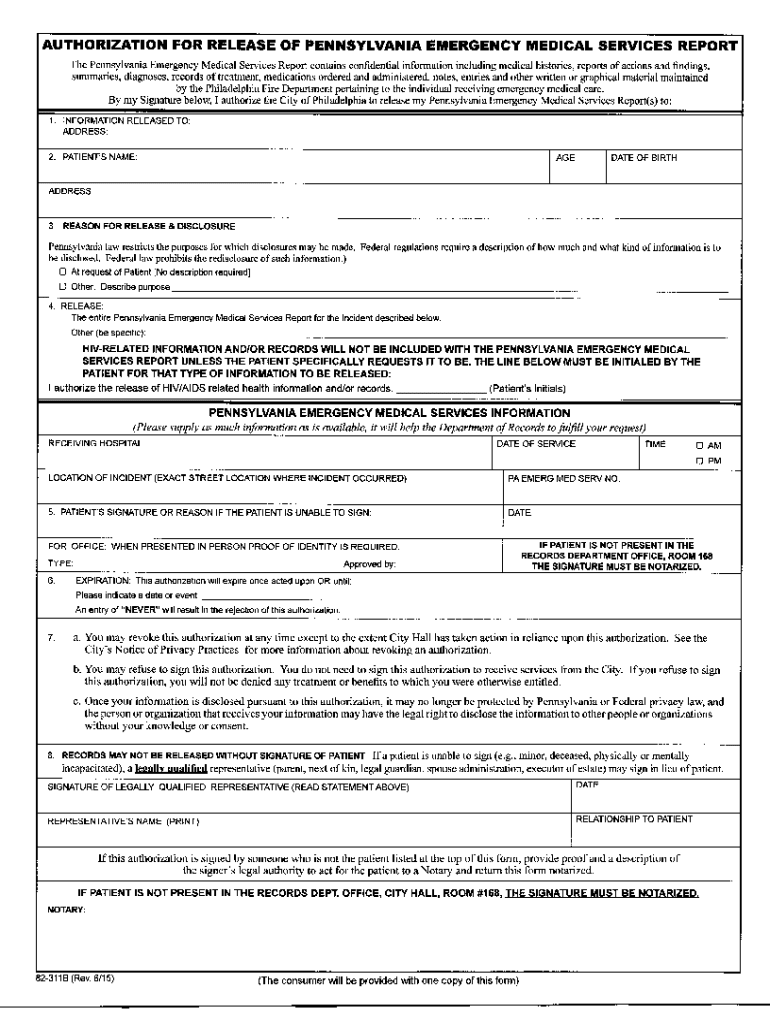







Understanding Form Online: Definition and Meaning
Form online refers to digital versions of traditional paper forms viewed or filled out via an internet-connected device. These forms can range from tax documents to application submissions, allowing users to access and submit required information electronically. The digital format eliminates the need for physical paperwork, streamlining the process for businesses and individuals alike.
How to Use the Form Online
Using a form online generally involves accessing the form through a secure platform or website, filling in the necessary fields, and submitting it through the same portal. Users can often edit their entries, save progress, and submit forms at their convenience. Platforms like DocHub provide tools to annotate, sign, and manage these forms seamlessly, making the entire process efficient and user-friendly.
Step-by-Step Instructions
- Access the Form: Navigate to the website or platform where the form is hosted.
- Fill in Required Fields: Enter necessary information into designated fields.
- Review the Form: Double-check all entries for accuracy before submitting.
- Submit the Form: Follow prompts to complete the submission process.
- Save a Copy: Download or save a completion receipt or confirmation page.
Steps to Complete the Form Online
Completing a form online involves more than just filling fields. It includes understanding the purpose of each section, ensuring compliance with requirements, and verifying details before submission. A meticulous approach reduces errors and streamlines processing.
Detailed Example of Completion
- Reading Instructions: Carefully review any provided instructions or guidelines.
- Data Entry: Accurately input personal or business information required.
- Add Attachments: Upload necessary documents or supporting files.
- Validation: Use available tools to validate fields and correct errors.
- Final Submission: Confirm completion by submitting through the portal.
Legal Use of the Form Online
Forms accessible online must comply with legal standards to ensure validity and enforceability. Legal uses can include contracts, tax filings, or applications subject to jurisdiction-specific rules. Electronic signatures, when supported by platforms like DocHub, hold legality under legislation like the ESIGN Act.
Important Terms Related to Form Online
Understanding key terms related to online forms can enhance the user's ability to navigate and utilize these tools effectively. Common terms include:
- Digital Signature: An electronic form of signature verifying identity.
- Encryption: Protecting data with codes to prevent unauthorized access.
- Cloud Storage: Online storage solutions for form documents.
- Interactive Field: A field designed to accept user inputs dynamically.
Security and Compliance in Forms Online
Maintaining security during the online form process is crucial. Platforms like DocHub use SSL encryption and other security measures to protect data integrity. Compliance with data protection laws ensures that personal information is handled correctly and securely.
Software Compatibility for Forms Online
Compatibility with software platforms is vital for seamless online form use. Many systems integrate with accounting software like TurboTax or QuickBooks, allowing for the easy import and export of relevant data. Ensuring compatibility can eliminate the need for manual data handling.
Variants and Alternatives to Form Online
Forms online have various formats depending on purpose. For example, a company might use a digital survey, while government agencies provide online tax forms. Variants can include older versions still in use or parallel formats like downloadable PDFs for offline use.
Key Elements of the Form Online
Online forms include key components designed for interaction and validation:
- Editable Fields: Necessary sections where users input information.
- Dropdown Menus: Lists of options to streamline selection processes.
- Validation Checks: Automated systems to ensure data integrity before submission.
Real-World Scenarios
Business owners might utilize digital tax forms during filing season. Government agencies offer license renewals online, reducing the need for in-person visits, while educational institutions accept enrollment applications via their portals.
Who Typically Uses the Form Online
A wide spectrum of users benefits from online forms, including:
- Businesses: For internal processes, client onboarding, and financial filings.
- Government Agencies: For public service delivery and data collection.
- Individuals: For personal documentation, such as tax returns or applications.
Each user group leverages the efficiency and accessibility of online forms to simplify transactions and interactions.
This comprehensive coverage of form online delves into the nuances of accessing, completing, and using these forms while addressing security, compatibility, and user scenarios.