
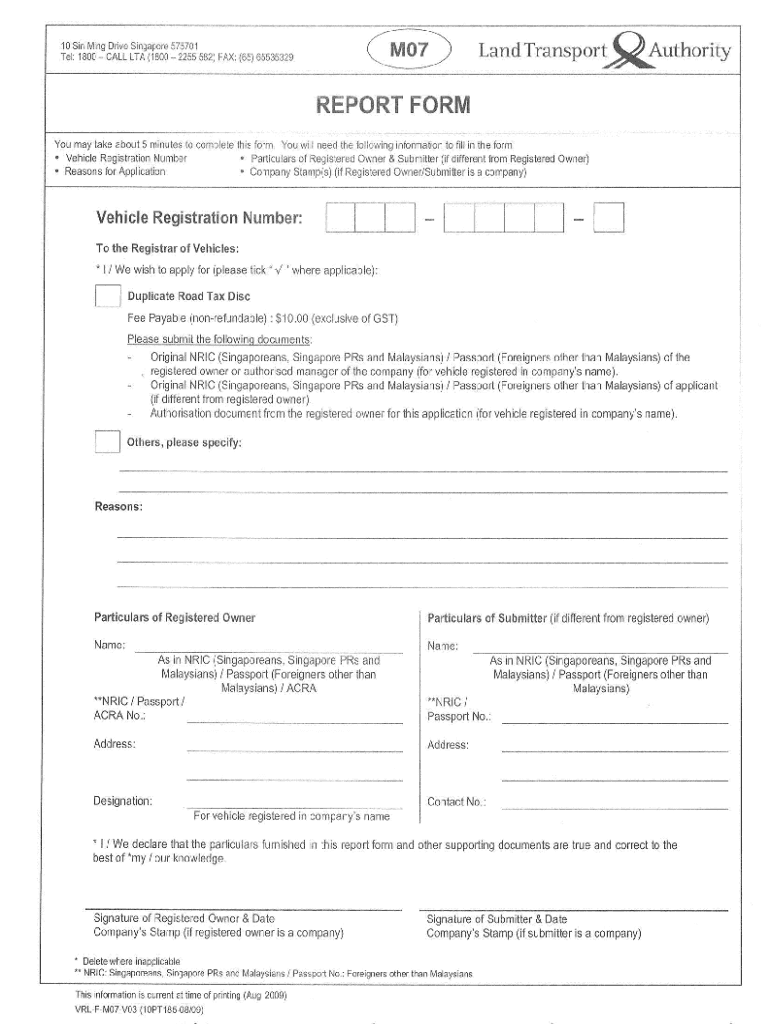







Definition and Meaning of Form Online
A "form online" refers to an interactive digital document designed for data collection and submission through an electronic platform. These forms provide users with a way to enter and send information remotely, eliminating the need for traditional paper-based processes. Forms online are widely utilized in various domains, including governmental applications, legal documentation, business agreements, and educational assessments, among others. They support user engagement by incorporating fields like text boxes, dropdown menus, and checkboxes to capture user inputs efficiently and accurately.
How to Use the Form Online
-
Access the Form: Navigate to the platform offering the online form, ensuring compatibility with your device’s browser.
-
Read Instructions: Carefully read all provided guidelines to understand the form’s purpose and requirements.
-
Fill in Required Fields: Input data in all mandatory fields marked with an asterisk (*) to ensure form completeness.
-
Attach Necessary Documents: Use the file upload feature to append any required documentation, such as identification or financial records.
-
Review Information: Double-check all entries for accuracy to prevent submission errors.
-
Submit the Form: Click the submit button to send your form to the designated receiver. You may receive a confirmation email or receipt number for tracking purposes.
How to Obtain the Form Online
To obtain an online form, visit the official website or platform associated with the purpose of the form. Organizations often host these forms on their websites, prominently featured on related service or support pages. Search functions are commonly available to help users locate specific forms quickly. Additionally, users can subscribe to email newsletters or updates that notify them when new or updated forms become available.
Steps to Complete the Form Online
-
Login/Create an Account: Some platforms require users to create an account or log in for personalized form management and security.
-
Choose the Correct Form Type: Select the form that matches your requirements, like a W-9 for tax purposes or a DS-11 for passport applications.
-
Understand Form Fields: Use tooltips or help icons provided for complex fields to guide accurate data entry.
-
Navigate Sections: Online forms often incorporate index or tab features enabling easy navigation between different sections or pages.
-
Save Progress: Utilize save features regularly to prevent data loss due to timeouts or connectivity issues.
-
Submit for Review: After submission, certain forms may enter a review process, allowing you to make corrections if necessary.
Why Should You Use Forms Online
-
Efficiency: Online forms streamline data collection through automated processes, reducing the time and cost associated with traditional methods.
-
Accessibility: Users can fill out forms at any time and from anywhere that has internet access, accommodating varied schedules.
-
Accuracy: Online validation rules and mandatory fields help minimize errors and ensure complete submissions.
-
Environmentally Friendly: Reducing paper usage aligns with sustainability goals and lessens environmental impact.
Who Typically Uses Forms Online
-
Government Agencies: For activities like tax filings, permit applications, and census data collection.
-
Educational Institutions: For student registrations, surveys, and academic records requests.
-
Businesses: For client agreements, employment applications, and feedback forms.
-
Healthcare Providers: For patient intake forms and medical records updates.
Important Terms Related to Forms Online
-
HTML Form Field: The elements within a form that allow users to enter data.
-
Encryption: Protects data during submission and storage, ensuring confidentiality.
-
Responsive Design: Ensures form accessibility and functionality across various devices and screen sizes.
-
Auth Token: Confirms user identity and authorization when interacting with online forms.
Legal Use of Forms Online
Online forms are legally compliant when designed to meet regulatory standards such as data protection laws (e.g., GDPR for Europe, HIPAA for healthcare in the U.S.). They facilitate legally binding agreements, with electronic signatures validated under acts like the U.S. ESIGN Act, ensuring equivalent legal standing to traditional paper forms.
Key Elements of Forms Online
-
User Interface: Designed for ease of use, guiding users through the form logically with an intuitive design.
-
Security Features: SSL encryption, user authentication, and audit trails to protect data integrity and privacy.
-
Interactive Elements: Dropdowns, radio buttons, and date pickers to enhance user experience and data accuracy.
-
Submission Feedback: Immediate confirmation and error messages to inform users of submission status or required adjustments.




