




Definition and Purpose of Using Forms Online
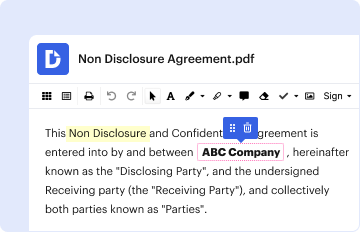
Online forms are digital versions of traditional paper forms used to collect, process, and submit information over the internet. They streamline data collection processes across various sectors such as finance, education, health, and government. Instead of manually filling out paper forms, individuals and organizations can efficiently complete and submit these forms online. This digital transformation aids in reducing errors, saving time, and enhancing accessibility, making them particularly useful for complex applications like loans, tax filings, and registrations. Online forms can include features such as validation checks, which ensure that the entered data meets specific criteria before submission.
Steps to Obtain Forms Online
To get started with obtaining forms online, you can follow a straightforward process that involves several steps.
-
Identify the Form: Determine the specific online form you need. This could be a government document like a W-9 for tax purposes or a company-specific application form.
-
Access the Source: Locate the form on the official website of the issuing agency or organization. Legitimate forms are typically found on secure websites, usually indicated by 'HTTPS' in the URL.
-
Download or Fill Out Online: Depending on the form's nature, you may have the option to download it for offline completion or fill it out directly on the website.
-
Read Instructions: Before filling out the form, read any accompanying instructions or guidelines to ensure accuracy and compliance with relevant regulations.
-
Complete the Form: Enter your information carefully, making sure that all required fields are filled out and any optional fields are utilized as needed.
-
Submit or Save: Once completed, submit the form online with a click or save a copy if further steps or approvals are needed.
Steps to Complete Form Online
Completing an online form typically involves a series of well-defined steps designed to ensure accuracy and efficiency.
-
Prepare Documents: Before starting, gather all necessary documents that may be required, such as identification, proof of address, or financial statements.
-
Review Requirements: Carefully read the form requirements to understand what information is needed and any potential attachments or certifications.
-
Fill Out Required Fields: Enter your details in all mandatory fields, ensuring that you follow any field-specific instructions for format or content.
-
Utilize Form Features: Take advantage of built-in form features like dropdown menus, checkboxes, and calendars to select or facilitate accurate data entry.
-
Review and Edit: Before submission, review each section to ensure information accuracy and completeness, making edits where necessary.
-
Submit and Save Confirmation: Submit the form electronically. Save a copy of the confirmation page or receipt for your records, often provided immediately after submission.
Why Use Online Forms
Online forms present numerous advantages over traditional paper forms, making them a preferred method for data collection and submissions.
-
Efficiency: Online forms eliminate the need for physical handling, mailing, and manual data entry, speeding up the process considerably.
-
Accessibility: They can be accessed and filled out from any location with internet connectivity, making them convenient for users in diverse geographical locations.
-
Accuracy: Built-in validation checks reduce errors in data entry, ensuring that information is complete and correct before submission.
-
Security: Online forms often include encryption and other security measures to protect sensitive data during transmission.
Who Typically Uses Forms Online
A wide range of individuals and entities utilize online forms for various purposes, including:
-
Individuals: For personal applications like license renewals, tax filings, and school enrollments.
-
Businesses: For processes such as client intake forms, employee onboarding, and vendor registrations.
-
Government Agencies: For collecting data related to census, permits, and compliance with various regulations.
-
Non-Profit Organizations: For membership registrations, volunteer sign-ups, and donor information gathering.
Legal Use of Online Forms
Online forms come with legal implications and are often designed to comply with various regulations ensuring their validity and enforceability.
-
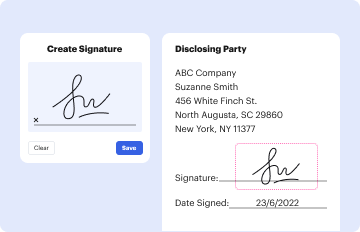
Compliance with Laws: Forms should adhere to legal requirements such as the ESIGN Act, which legitimizes electronic signatures and documents in the United States.
-
Data Privacy: Compliance with data protection regulations like the GDPR or CCPA is crucial for online forms to ensure user privacy rights and data security.
-
Binding Agreements: Many forms used for legal or business purposes, such as contracts or term agreements, are considered binding once completed and submitted online.
Key Elements of an Online Form
An effective online form comprises several key elements, each contributing to its functionality and user-friendliness.
-
Title and Description: A clear title and short description give context and instructions to the user.
-
Field Types: Includes various field types like text inputs, radio buttons, checkboxes, and dropdown menus tailored to collect specific data.
-
Validation Rules: Implemented to ensure that user input adheres to specific standards, for instance, email format or minimum-age requirements.
-
Submit Button: Allows users to complete and submit the form, often accompanied by a 'reset' option to clear all fields.
Examples of Using Online Forms
There are various practical scenarios where online forms have proved to be invaluable tools.
-
In Education: Schools and universities use online forms for student enrolment, course registration, and feedback submissions.
-
In Healthcare: Health institutions utilize forms for patient intake, appointment scheduling, and health record management.
-
In Business: Companies leverage online forms for collecting client feedback, employee data management, and conducting surveys.
-
In Government: Agencies employ online forms for processing applications for passports, licenses, and permits, facilitating easy public access to these services.