





Definition & Meaning
The term "form online" refers to digital forms that can be completed and submitted electronically via the internet. Unlike traditional paper forms, these forms are designed to be filled out using a web browser, offering a range of interactive elements such as text fields, checkboxes, and dropdown menus. They are used in various contexts, including applications, registrations, surveys, and data collection. The convenience of online forms lies in their accessibility, as they can be used from virtually any location with internet access, eliminating the need for physical document handling or mailing.
How to Use the Form Online
Using an online form generally involves a straightforward process:
- Access the Form: Locate the form on the relevant website or platform. This might be hosted by a government agency, a business, or a specific online service like DocHub.
- Fill Out the Form: Utilize your device's web browser to complete the necessary fields. Many forms include guidance on what information is needed.
- Review Information: Double-check your entries for accuracy. Many platforms allow you to review your responses before submission.
- Submit the Form: Once all required fields are completed and verified, submit the form by clicking the designated submit button.
The process is designed for ease of use, with most forms offering intuitive interfaces that guide users through each step efficiently.
Steps to Complete the Form Online
Completing a form online involves several critical steps:
-
Preparation:
- Gather necessary information or documents beforehand (e.g., identification, financial details).
- Ensure a stable internet connection.
-
Filling Out the Form:
- Navigate to the online form's URL.
- Enter data into the appropriate fields.
- Use interactive features like dropdown boxes and checkboxes where applicable.
-
Verification:
- Review entered information for errors or omissions.
- Some platforms provide an option to save progress and continue later.
-
Submission:
- Click submit and follow any additional instructions.
- Depending on the form type, you may receive a confirmation email or tracking number.
This structured approach ensures completeness and accuracy, preventing delays or resubmissions.
Key Elements of the Form Online
Online forms typically consist of several essential elements designed to capture accurate and relevant information:
- Text Fields: Used for open-ended responses such as names, addresses, or comments.
- Radio Buttons: Allow users to select one option from a list of predefined choices.
- Checkboxes: Enable the selection of multiple options from a list.
- Dropdown Menus: Provide a list of options from which users can select one.
- Submit Buttons: Used to finalize the form and send data to the server.
- Interactive Features: Elements like calendar pickers or file upload functions to support additional data types.
These components ensure that online forms are both user-friendly and effective in data collection.
Who Typically Uses the Form Online
Online forms are utilized by a diverse audience, including:
- Individuals: Applying for permits, filling out application forms, or registering for events.
- Businesses: Collecting customer info, feedback, or processing transactions.
- Government Agencies: Facilitating services like tax filings, license renewals, or public surveys.
- Educational Institutions: Managing admissions, assessments, or course evaluations.
They allow for broad use across various sectors, enhancing efficiency and accessibility in both personal and professional settings.


Legal Use of the Form Online
The legal application of online forms is governed by several laws and standards to ensure compliance and validity:
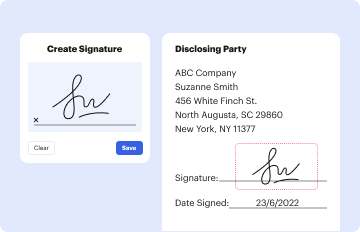
- Electronic Signatures: Governed by the ESIGN Act, which ensures that electronic signatures are legally recognized, provided specific criteria are met.
- Data Privacy: Regulations such as GDPR and sector-specific laws mandate secure handling and storage of personal data collected via online forms.
- Authentication: Secure access methods such as OAuth 2.0 are commonly employed to protect sensitive information during form submission.
These legal considerations help maintain trust and reliability in using online forms for significant transactions and official processes.
Software Compatibility
Online forms often require compatibility with various software applications to function optimally:
- Web Browsers: Modern browsers like Chrome, Firefox, Safari, and Edge are typically supported for accessing and completing forms.
- Integration with Software: Many forms are compatible with software platforms like TurboTax or QuickBooks for seamless data transfer and processing.
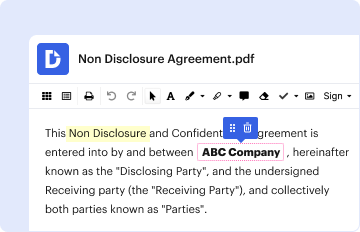
- Document Management Tools: Platforms like DocHub enable enhanced form interaction, allowing for editing, signing, and annotation directly on the digital form.
Compatibility is crucial for ensuring that users experience smooth and uninterrupted form interaction across different digital environments.
State-Specific Rules for the Form Online
Forms often vary based on state-specific regulations and requirements:
- Tax Forms: Different states may have unique tax codes necessitating state-specific versions of standard forms.
- Licensing and Permits: State-specific criteria and documentation requirements for various permits.
- Legal Documents: State laws can impact the structure or necessary elements of legal forms, such as waivers or contracts.
State-specific rules ensure compliance with local regulations, fostering a streamlined process tailored to the user's jurisdiction while adhering to local legal standards.