




Definition and Meaning of "Form Online"
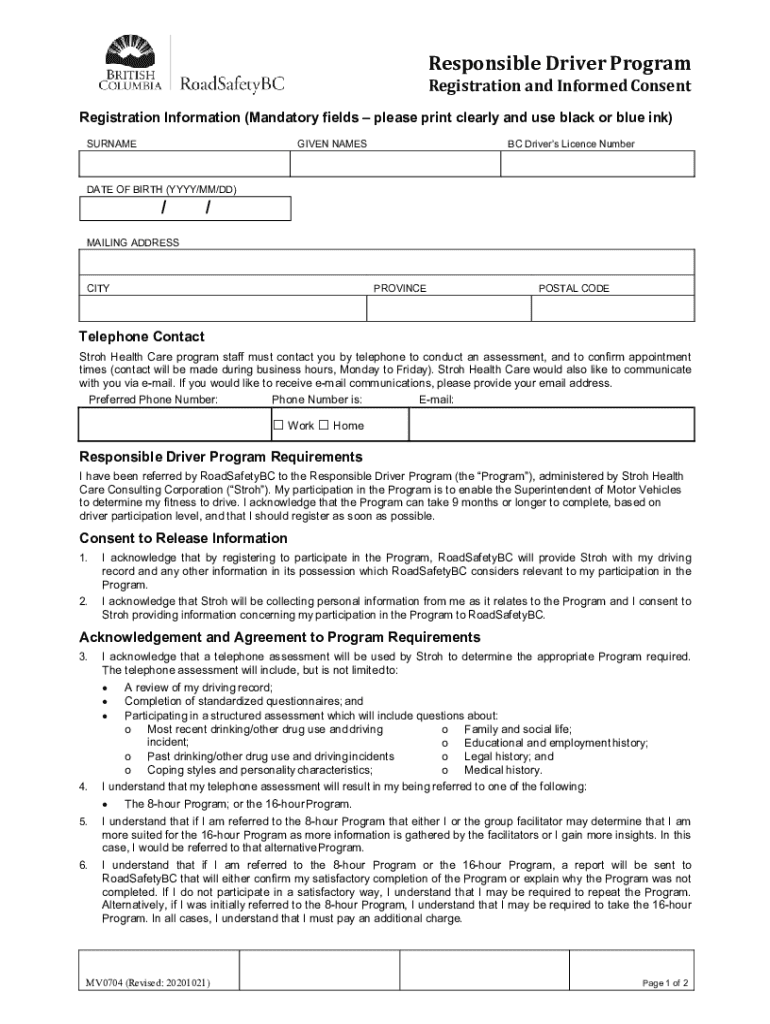
The term "form online" refers to the process of creating, editing, and submitting forms through internet-based platforms, eliminating the need for physical paperwork. This digital approach facilitates streamlined data collection, increased accessibility, and enhanced efficiency for users. Online forms can range from simple contact forms on websites to complex financial applications, incorporating various field types like text boxes, checkboxes, and signature fields.
Key Characteristics
- Accessibility: Users can access forms from any internet-connected device, including smartphones, tablets, and computers.
- Customization: Online forms can be tailored to specific needs, allowing for personalized data collection.
- Automation: Many online platforms offer features such as automatic data validation and error checking to ensure accurate information submission.
Common Uses
- Business Applications: Enterprises utilize online forms for client onboarding, surveys, and internal processes.
- Government Services: Citizens can complete tax filings and apply for permits through digital forms.
How to Use the Form Online
Using an online form typically involves several straightforward steps, ensuring a user-friendly experience from start to finish. The process is designed to accommodate various user levels, from beginners to tech-savvy individuals.
Step-by-Step Instructions
- Access the Form: Navigate to the website or platform hosting the form. Ensure you have stable internet connectivity.
- Login or Register: If required, sign in to your account or create a new one to access the form.
- Review Instructions: Read any provided guidelines or instructions to understand the form's context and requirements.
- Complete Each Section: Fill out the form fields as instructed, ensuring accuracy and completeness.
- Review Your Entries: Before submission, review all entered data to correct potential errors or omissions.
- Submit the Form: Click the submit button to send the completed form to the server for processing.
- Confirmation and Follow-Up: After submission, await a confirmation email or message and check for any additional follow-up actions.
Tips for Success
- Save Progress: Use platforms that allow saving progress to avoid data loss in case of interruptions.
- Printable Copies: Download or print a copy for personal records when available.
Steps to Complete the Form Online
Completing an online form typically encompasses specific, actionable steps that users must follow to ensure accurate and successful submissions. This meticulous approach reduces errors and enhances the efficiency of data handling.
Detailed Process
- Identify Required Information: Before starting, list all necessary documents and data to prevent interruptions.
- Data Entry: Carefully enter data into each specified field, using correct formatting where applicable.
- Validation: Many platforms provide real-time validation, flagging errors before submission; take advantage of these tools.
- Attachments: If applicable, attach necessary documents like PDFs or images, ensuring they're in acceptable formats.
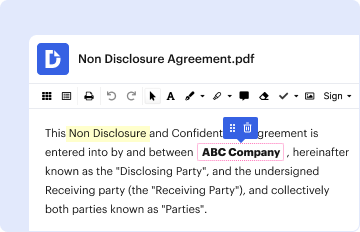
- Consent and Agreements: Read and agree to any terms and conditions or agreements required by the platform before submission.
- Final Check: Conduct a final review of all inputs, verifying dates, names, and data entries.
- Submission Confirmation: Once satisfied, submit the form and record any confirmation numbers or emails for reference.
Why You Should Form Online
Choosing to complete forms online over traditional paper methods offers numerous advantages, contributing to more streamlined and efficient workflows.
Advantages of Online Forms
- Time Efficiency: Reduces the time required for processing and response due to immediate electronic submission.
- Cost Reduction: Saves expenses associated with printing, mailing, and storing paper forms.
- Environmental Impact: Minimizes paper usage, supporting sustainable practices.
- Enhanced Accuracy: Digital forms often include mandatory field checks and real-time data validation to reduce errors.
Who Typically Uses the Form Online
Various groups and individuals leverage online forms to meet different needs, capitalizing on their convenience and functionality.

Primary Users
- Businesses: Use for customer feedback, employee onboarding, and transaction processing.
- Government Agencies: Facilitate taxes, registrations, and service applications.
- Educational Institutions: Apply for student enrollments, course registrations, and feedback surveys.
Benefits for Different Users
- Businesses benefit from reduced overhead and improved operational efficiency.
- Individuals experience greater convenience and accessibility.
- Governments and Institutions enjoy streamlined processes and improved data management.
Important Terms Related to Form Online
Familiarity with terms commonly associated with online forms can help users navigate these tools more effectively.
Key Terminology
- Encryption: Protects data during transmission, ensuring privacy and security.
- Captcha: A tool used to verify that a responder is human, preventing automated submissions.
- Form Builder: A feature within platforms to create custom forms tailored to specific needs.
- OAuth 2.0: An authentication framework used to secure account access.
Understanding Terms
- Encryption ensures your sensitive information remains secure, safeguarding against unauthorized access.
- **Form Builder tools offer flexibility, allowing you to tailor forms to specific data collection needs.
Legal Use of the Form Online
Online forms must comply with legal frameworks and standards to ensure their validity and enforceability, particularly when dealing with binding agreements or sensitive data.
Compliance Considerations
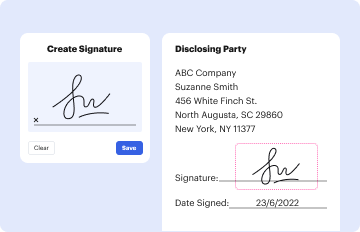
- E-Sign Act: U.S. legislation that gives electronic signatures the same legal standing as hand-written ones.
- Data Protection Laws: Regulations such as GDPR influence how data is handled and stored, particularly for international organizations.
Ensuring Legal Validity
- Authentication Measures: Use authentication and encryption to validate users' identities and maintain data integrity.
- Audit Trails: Collect comprehensive records of submissions and interactions to provide evidence in legal or regulatory inquiries.
Form Submission Methods
Forms can be submitted through various methods, each offering distinct benefits in terms of convenience, speed, and security.
Online Submissions
- Direct Web Submission: Completed forms are submitted directly through platform interfaces.
- Email Attachments: Some forms allow submission via email, where completed forms are sent as attachments.
Alternative Methods
- Mail: Traditional mailing remains an option for users preferring physical copies.
- In-Person: Certain forms require or allow submission directly at offices or service points for verification.
Advantages of Each Method
- Online: Offers immediate submission and receipt confirmation, reducing wait times.
- Mail/In-Person: Ensures access for those without reliable internet or digital literacy.
By leveraging the above insights, individuals and organizations can maximize their use of online forms, ensuring efficiency, compliance, and accuracy.